
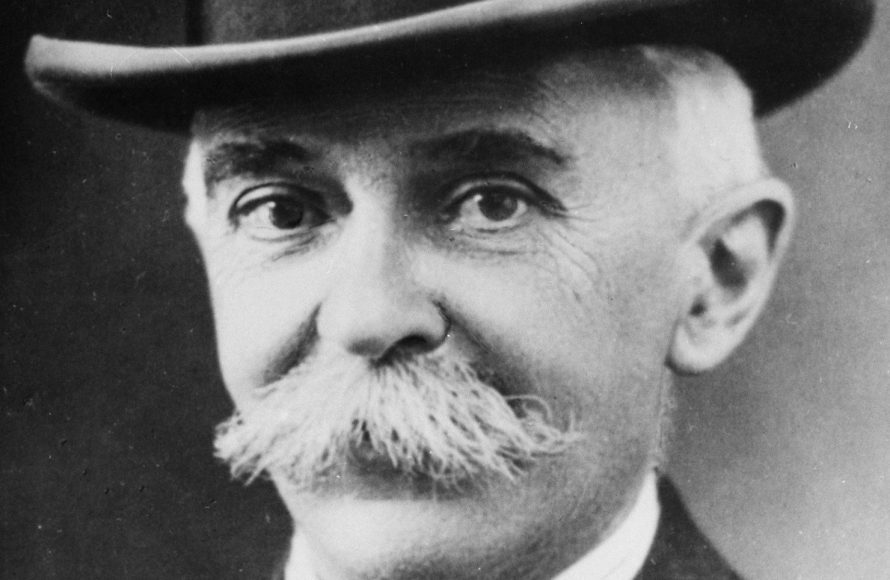
The individual widely considered the father of the modern Olympic Games is Baron Pierre de Coubertin.
Have you ever wondered about the origins of the global sporting spectacle we know as the Olympics? Specifically, who is considered the father of the modern Olympic Games? The answer might surprise you with its roots in a visionary’s passion for athletic competition and international cooperation. This is a story of determination, ideas and the revival of an ancient tradition.

Who is Considered the Father of the Modern Olympic Games?
When we talk about the amazing Olympic Games we see today, with athletes from all over the world competing in so many different sports, it’s natural to wonder, “Who got this whole thing started?” Well, the person we most often credit as the “father of the modern Olympic Games” is a very interesting man named Baron Pierre de Coubertin. He wasn’t an athlete himself, but he loved sports and believed they could help make the world a better place. Let’s dive into his story and how he made the modern Olympics a reality.
The Early Life and Influences of Pierre de Coubertin
Pierre de Coubertin was born in Paris, France, on January 1, 1863. He came from an aristocratic family, meaning they were wealthy and had a high social standing. But Pierre wasn’t really interested in the usual aristocratic life. Instead, he was a thinker and a dreamer. He was very much interested in education and the physical well-being of young people. He noticed that in France, physical education was not given as much importance, whereas, in other countries, it had a pivotal role. This made him rethink about the importance of sports and physical activities.
He was heavily influenced by the ancient Olympic Games which were held in Greece many years ago. These games weren’t like the Olympics we know now, but they were a very big sporting event where athletes from different Greek cities came together to compete. Coubertin thought that bringing back the Olympic Games would be a great way to promote international peace and understanding and also help young people develop their physical skills and character. He traveled to England where he studied the education system there, and noted how games and sports played an integral role in the overall development of young minds, this shaped his vision for future sports and games.
The Inspiration from the Ancient Olympic Games
Pierre de Coubertin was fascinated by the ancient Olympic Games. These games, which took place in Olympia, Greece, were not just about winning; they were about celebrating athleticism, peace, and unity. The idea of different city-states coming together for peaceful competition really appealed to him. These ancient games were held every four years and included events like running, wrestling, and chariot racing. Coubertin believed that reviving the spirit of the ancient Olympics could have a positive impact on the world. He saw them as a way to bring people together and promote fair play.
The Importance of Physical Education in Coubertin’s Vision
Coubertin didn’t just want a sports competition; he wanted a way to make physical education more important. In his opinion, a focus on sport was needed to encourage young people to be active, fit, and well-rounded individuals. He saw how participation in sports helped develop teamwork, discipline, and respect. Coubertin was concerned about the physical fitness of French youth and viewed sports as a means to improve health and well-being. He believed that by promoting sports, societies could raise healthier and more disciplined generations. He also understood that engaging in physical activity was crucial for character building.
The Creation of the International Olympic Committee (IOC)
Coubertin realized that to bring back the Olympics, he needed the support of other like-minded people. He organized an international conference in Paris in 1894. This was the first step to create the committee that would manage the modern Olympic Games. He met with representatives from different countries to talk about reviving the Olympics. The idea got a lot of support, and during that conference the International Olympic Committee, or IOC, was created. The IOC is still the organization that makes all the rules for the Olympics today. They decide which sports will be played and where the games will be held. Without the creation of the IOC, there would have been no way to organize the huge, international event we know as the Olympics.
The 1894 Paris Congress
The 1894 Congress in Paris was very important in the history of the Olympic Games. It was here that Coubertin presented his vision to world leaders and sports enthusiasts. He spoke passionately about the need to bring back the Olympic Games and the benefits it could bring to the world. At the congress, attendees discussed the various aspects of the games, including which sports should be included and how they should be organized. The overwhelming support received during the congress led to the formal establishment of the International Olympic Committee (IOC), and the decision to host the first modern Olympic Games in Athens in 1896. This congress laid the foundation for all future Olympic events and established a set of core principles that are still followed today.
The Role of the IOC in Organizing the Games
The IOC is like the main boss of the Olympic Games. They have many important responsibilities. These include choosing the host cities for each Olympic Games. The IOC is responsible for the entire planning, coordination and overall smooth operation of the games. They also make sure the rules are fair and that athletes are treated well. The IOC works with the National Olympic Committees (NOCs) from every participating country and also with the Organizing Committees of each host city. They have the ultimate control over the Olympics and ensure that Coubertin’s original vision is preserved. The IOC is also involved in resolving any disputes that might occur during the games and also ensures that the Olympics remain free from political influence.
The First Modern Olympic Games in Athens, 1896
After much planning and organizing, the first modern Olympic Games were held in Athens, Greece, in 1896. This was a very special moment because it had been over 1500 years since the last ancient Olympics. The 1896 Olympics were smaller than the ones we see today, but they were a great success. Athletes from 13 different countries competed in different sports like track and field, swimming, gymnastics, and cycling. The opening of the games was a celebration of sport and international cooperation. The 1896 Games marked the beginning of a new era of Olympic tradition, making the games a reality, showing that Coubertin’s vision was achievable.
Choosing Athens as the Host City
The choice of Athens as the host city for the first modern Olympic Games was very significant. Athens was the birthplace of the ancient Olympic Games, and holding the new games there created a connection between the past and the present. It was a symbolic gesture of reviving the spirit of ancient times. The Greek people were very excited to host the Games, and the event had a major impact on the city. The atmosphere was full of enthusiasm and pride as they welcomed the athletes and spectators. The opening of the Games was marked by a big celebration with huge crowds, and the whole event set the stage for all future modern Olympic Games. Hosting the Games in Athens honored the past while simultaneously launching the future of the Olympic movement.
The Sports and Athletes of the 1896 Olympics
The 1896 Olympics featured nine sports: Athletics (track and field), Cycling, Fencing, Gymnastics, Shooting, Swimming, Tennis, Weightlifting, and Wrestling. Athletes from various countries showed their talent. James Connolly from the USA won the first gold medal in the triple jump. Spyridon Louis, a Greek marathon runner, became a national hero. There was also Alfred Hajós from Hungary, who won two swimming gold medals. These athletes showed not only their ability to excel in sports but also exemplified the spirit of international competition. Although there were fewer athletes and countries participating as compared to today’s Olympic Games, they set a very significant benchmark for the future games to follow.
Coubertin’s Philosophy and Olympic Ideals
Coubertin had strong beliefs about what the Olympics should represent. He didn’t just want a sports competition; he wanted the Games to be a symbol of peace, unity, and fair play. One of his famous quotes is, “The most important thing in the Olympic Games is not to win but to take part, just as the most important thing in life is not the triumph but the struggle.” This meant that for him, it was more important that people played fairly and tried their best. He believed that the Olympics could help build bridges between nations and create a friendlier world. These ideals form the basis of what we call the “Olympic spirit,” which is about excellence, friendship, and respect.
The Olympic Motto: Citius, Altius, Fortius
The Olympic motto, “Citius, Altius, Fortius,” is a Latin phrase that means “Faster, Higher, Stronger.” This motto captures the essence of what the Olympic Games are all about. It encourages athletes to push their limits and aim for continuous improvement. “Citius” represents speed, urging athletes to run faster and compete with their fastest times. “Altius” means to reach higher, whether it is in jumping, or achieving greater milestones. “Fortius” is about strength, inspiring athletes to be as strong as possible. The motto also symbolizes the spirit of the games in which all athletes strive to achieve excellence and push their boundaries and also promotes sportsmanship. The motto is not just about physical prowess but also about the mental and emotional strength that athletes develop.
Fair Play and Sportsmanship
Fair play and sportsmanship were very important to Coubertin. He believed that athletes should compete honestly and treat each other with respect. The spirit of sportsmanship is about accepting victory with humility and defeat with grace. It’s about following the rules, being kind to opponents, and celebrating the achievements of everyone involved. This spirit is one of the most important values of the Olympic Games. Coubertin felt that these values were important both in sports and also in life. Fair play and sportsmanship also include respect for officials and accepting their decisions. These concepts are essential for creating a positive and fair playing field.
The Lasting Legacy of Baron Pierre de Coubertin
Even though Pierre de Coubertin passed away in 1937, his vision for the Olympic Games still lives on. The Olympics are now a global event held every four years, bringing together athletes from all over the world to compete in a variety of sports. They stand as a symbol of international cooperation and healthy competition. Coubertin’s idea has had a tremendous impact on the world of sports, emphasizing the importance of athletic achievement. His emphasis on sportsmanship, fair play, and friendly competition continues to inspire millions of athletes worldwide. The legacy of Pierre de Coubertin is about more than just sports, it is also about promoting a better world through mutual respect and understanding among nations.
The Modern Olympic Games Today
The modern Olympic Games have grown a lot since 1896. Today, the summer and winter games are separate events held every four years. The number of sports has greatly increased with different variations of each sports being added, bringing more participation and interest. Millions of viewers watch the Olympics globally. Athletes from around 200 countries participate, making it a truly global event. The modern Olympic Games still aim to follow Coubertin’s ideals, promoting sports as a way to achieve excellence and also a tool for peace and cooperation. The scale of the Olympic Games has increased significantly since the inaugural event, but the core principles of international participation, excellence, and respect still stand at the heart of the games.
Coubertin’s Impact on International Sports
Pierre de Coubertin’s impact on international sports extends far beyond the Olympics. He introduced a worldwide view of sports as a vehicle for international communication and harmony. His focus on fair play and sportsmanship helped shape the way sports are played and seen today in schools and at all levels of competitions. Coubertin’s dedication to the Olympic ideals has also impacted sports worldwide, by creating a standard of ethics for athletes and also the importance of international participation. The principles of excellence, friendship, and respect, are the cornerstones of sports globally, demonstrating that Coubertin’s ideas have transcended sports and inspired people all over the world.
In conclusion, Baron Pierre de Coubertin was a visionary leader, who transformed sports. His efforts were a driving force behind the resurgence of the Olympic Games in the modern era, which still continue to be an important part of international sport today. The ideals of peace, friendship, and athletic achievement, promoted by Coubertin are still the essence of the Olympic Games and continue to inspire millions of people worldwide.
Who is the father of modern Olympics?
Final Thoughts
Pierre de Coubertin, a French aristocrat, is the person most recognized for reviving the Olympic Games. He championed international sport. He worked tirelessly to establish the first modern Olympics in Athens 1896.
Coubertin’s vision helped create the structure and ideals of the Games that we know today. Therefore, who is considered the father of the modern Olympic games is undoubtedly Pierre de Coubertin. His contribution laid the foundation for the international sporting event.

