
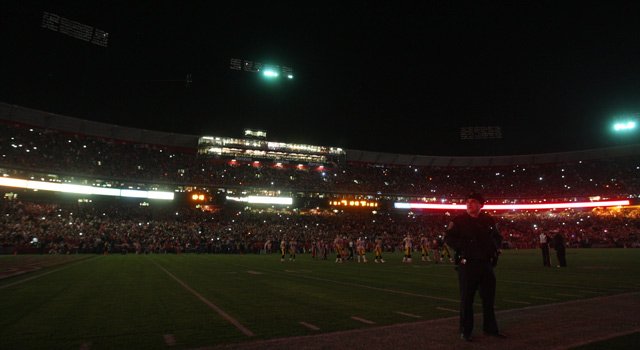
NFL games are blacked out to encourage ticket sales by preventing local television broadcasts when stadiums don’t reach a certain percentage of seats sold.
Ever wonder why you sometimes can’t watch your local team play on TV? You’re not alone. This frustration leads many to ask, “why are nfl games blacked out?” It’s a practice that feels unfair to fans but actually serves a purpose for the league.
The blackout rule, while unpopular, aims to fill stadium seats. It’s a tactic that promotes in-person attendance by making TV viewing unavailable in the local market if sales fall short.

Why Are NFL Games Blacked Out?
Have you ever been super excited to watch your favorite NFL team play, only to find out the game isn’t being shown on TV in your area? It’s frustrating, right? This happens because of something called a “blackout.” But what exactly is a blackout, and why do they happen? Let’s dive in and explore the reasons behind these frustrating TV interruptions.
The Core Reason: Protecting Ticket Sales
The main reason NFL games get blacked out is to encourage people to go to the stadium and watch the game live. Think of it this way: if everyone could just sit at home and watch every game on TV, why would anyone bother buying tickets? The NFL is a business, and like any business, they need to make money. Selling tickets is a big part of their income, and blackouts are a way to make sure those tickets get sold. The logic is simple – if fans can’t watch the game on their local television stations, they are more likely to purchase tickets and attend the game in person. This also includes suites and premium seating options which bring in big revenue for the clubs.
Before 2015, the blackout rule was a lot stricter. If the stadium didn’t sell out within 72 hours of the game starting, the game would be blacked out in the local market. This meant that fans who lived in the area where the team played couldn’t watch the game on their local channels. This rule was pretty controversial, as it caused many fans to miss out on seeing their team play. Thankfully, the NFL has relaxed these rules since 2015.
How a Sellout Affects Blackouts
The blackout rules revolve around whether a game sells out. A “sellout” means that every single seat in the stadium is sold. If a game sells out, it won’t be blacked out. However, if there are still some unsold tickets, there’s a chance the game could be blacked out locally. Think of it like a carrot and stick approach; sell those tickets and everyone can see the game!
The Impact of the 2015 Policy Change
Good news for many fans! In 2015, the NFL decided to change the blackout policy. Now, the blackouts are much less common. Teams that fail to sell every single ticket for their games are no longer under the threat of a television blackout. This major shift means that, most of the time, even if a stadium is not completely sold out, local fans can still tune in to watch their team on TV. This change has made the NFL experience more enjoyable for a much wider group of fans, even those who may not be able to make it to the stadium.
Why the Change?
The decision to change the blackout rules came after years of criticism from fans and even pressure from government officials. The old rule was seen as unfair, as it penalized fans simply because the local team wasn’t popular enough to sell out every game. Also, the league had access to advanced metrics which showed that local broadcasts were important for fan engagement, even for teams with low stadium attendance. Ultimately, the goal of the NFL is to grow the sport and build new fans. Blacking out games was counter-productive to these aims.
How Blackouts Work Today: A Closer Look
So, even though the rules have changed, blackouts still happen sometimes. Let’s look at how they work currently:
- The “No-Show” Rule: While not as common, blackouts still exist if a certain percentage of tickets for a game are not sold in some markets. This is rare, and more often tied to factors like weather or the importance of a game.
- Market Size Matters: If a team is in a smaller market, they may have fewer viewers, meaning there’s a higher chance a game might be blacked out due to lack of ticket sales. Teams in larger markets tend to sell better.
- Cable and Streaming: Blackouts typically only affect local over-the-air television broadcasts. Cable and streaming services are usually not subject to blackouts, so if a local game is being blacked out, chances are it’s still available on these services. This brings in revenue for the NFL via different avenues.
- NFL Network and Streaming: If a local market is subject to blackout, the game may be available on the NFL Network or through streaming platforms such as NFL+, but these may require a paid subscription.
What Happens When a Game is Blacked Out?
When a game is blacked out, the local TV station won’t show the game. Instead, they might show another program or a different game. The screen will often have a message saying, “This game is not available in your area due to local blackout restrictions.”
The Role of the Media and Broadcasting Contracts
The complex world of NFL broadcasting contracts also plays a significant role in blackouts. The NFL has huge agreements with TV networks like CBS, Fox, NBC, and ESPN. These networks pay a lot of money for the right to broadcast games. The details of these contracts impact how and where games are shown, and therefore, blackout rules also come in the picture.
How Broadcasting Contracts Influence Blackouts
Here’s how these contracts tie into blackouts:
- Exclusivity: These contracts often include clauses about exclusivity, meaning only certain networks have the right to show specific games. These are also very location specific, leading to regional differences.
- Local vs National Games: Some games are considered “national” games, and are broadcast everywhere, while others are deemed “local” games. This impacts whether a game is subject to a blackout.
- Revenue Sharing: The revenues from these contracts are shared among teams and the league itself. The league has an incentive to make these deals profitable.
- Network Priorities: Networks will prioritize their most valuable games and will make business decisions that align with this. If a game is less desirable to a network, there’s a better chance it could be subject to blackout, however this is rare.
The Fan Perspective
For fans, blackouts can be a major source of annoyance. No one likes to miss watching their favorite team. It can also be problematic for people who can’t make it to the stadium, such as those with disabilities, or elderly people, or even those without transport, and people who simply can’t afford the cost of tickets, concessions, and travel for games. The good news is that, thanks to the policy change in 2015, fans are a lot less likely to experience the annoyance of a blackout. Now, fans are able to reliably enjoy their favorite teams from the comfort of their homes.
Ways to Potentially Avoid Blackouts
Even if a local game is blacked out, you may still have some options to watch the game:
- Cable TV: Cable providers often carry games that might be blacked out on over-the-air TV.
- Streaming Services: Streaming services like NFL+, ESPN+, and other similar services may have the game available.
- Radio Broadcasts: Even if you can’t watch, you can still listen to the game on the radio.
- Sports Bars or Restaurants: Many sports bars and restaurants will have access to games that are blacked out locally.
- Out-of-Market Options: Services that offer out-of-market games may be an option.
Looking to the Future of Blackouts
While blackouts are less frequent now, they may always remain a possibility because of the revenue structure in the NFL. Technology will also continue to be a factor in the way that games are broadcast. The NFL’s broadcasting strategies will most likely evolve as the world’s viewing habits change and new technologies become available. For now, fans can be assured that the current system, although not perfect, is a lot better than before 2015.
In the end, understanding why NFL games get blacked out can help you better navigate the world of sports television. From ticket sales to broadcast contracts, there’s a lot that goes into deciding when and where a game will air. The good news for the average fan is that blackouts are relatively rare, but it is helpful to understand the system in case one happens.
Hopefully, you now have a clearer understanding of why NFL games are sometimes blacked out, and you are better equipped to avoid missing out on the next big game!
My Solution to MLB Blackouts
Final Thoughts
NFL blackouts happen because of low local ticket sales. The league’s policy aims to encourage fans to attend games in person, benefiting teams financially. This blackout rule prevents local television stations from showing a game.
Teams must meet a specific ticket sales threshold to avoid the local blackout. why are nfl games blacked out? Because this must ensure that fans buy tickets rather than watch at home.

