
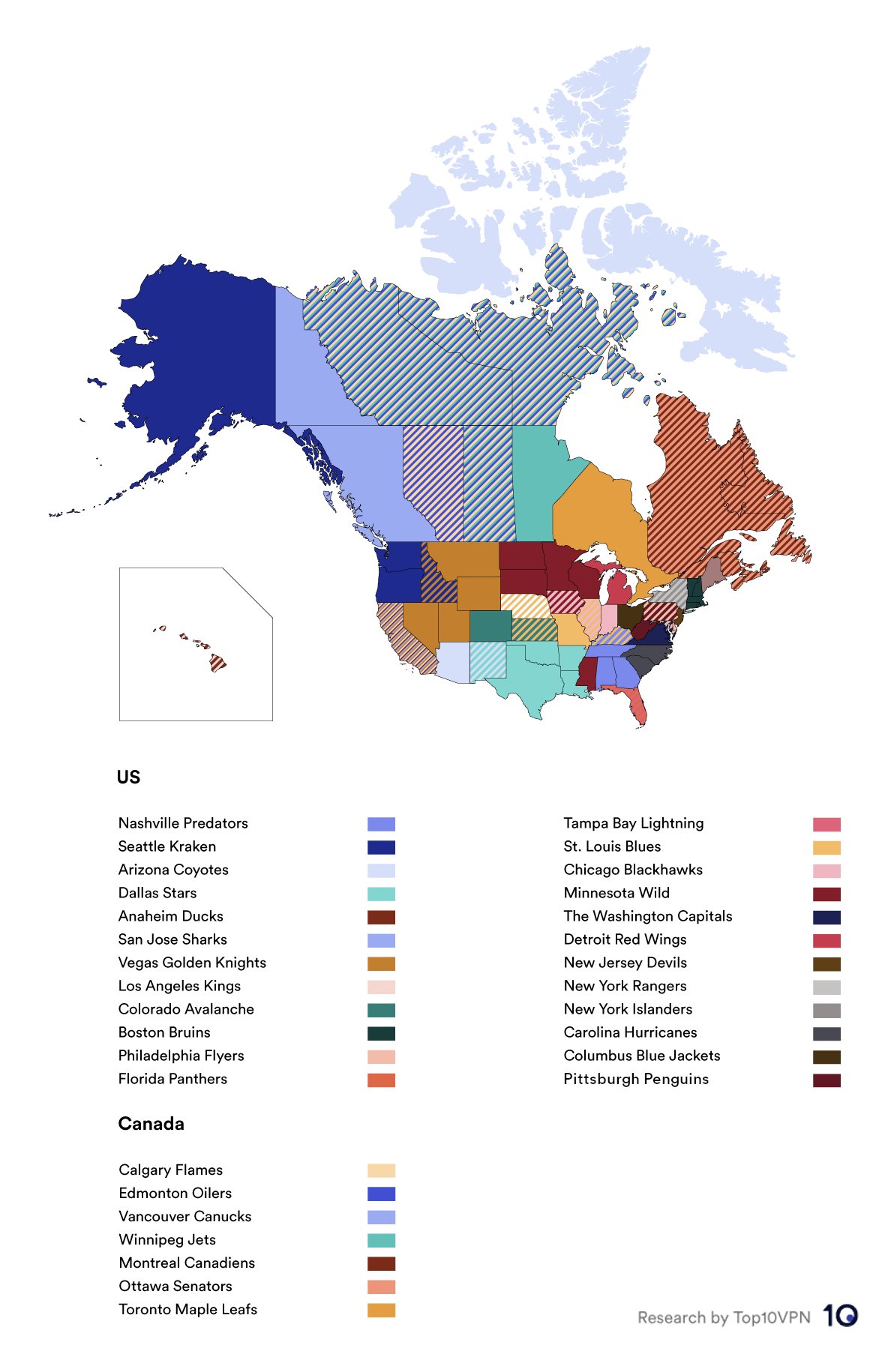
Blackouts exist because of territorial broadcast rights agreements; specific channels purchase the exclusive right to show a game within a designated area, preventing others from broadcasting it.
Have you ever eagerly awaited an NHL game, only to be met with a frustrating blackout message? It’s a common experience for many fans, leaving them wondering why their favorite teams aren’t always accessible. The question of “why nhl games are blacked out” is a complex one tied to the business of sports broadcasting.
These blackouts aren’t random; they’re a result of carefully negotiated deals between the NHL and various broadcasters. These arrangements often give a regional network the sole right to show a game within a specific geographic area. This protects their investment in the broadcast rights.

Why NHL Games Are Blacked Out: Unraveling the Mystery
Have you ever been super excited to watch your favorite NHL team play, only to find out the game is blacked out? It’s a frustrating experience, and it can leave you wondering why this happens. Don’t worry, you’re not alone. Many fans are confused by NHL blackouts. Let’s dive into the reasons behind these television restrictions and explore all the factors that contribute to them. We’ll break it down so it’s easy to understand, even if you’re not a sports broadcasting expert.
Understanding Territorial Rights: The Foundation of Blackouts
The main reason NHL games are blacked out is due to something called “territorial rights.” Think of it like this: different TV networks or channels buy the right to show games in specific areas. It’s like they’re buying exclusive permission to broadcast within their territory. These rights are carefully negotiated between the NHL and these broadcast companies, and it’s a big part of how the league and the teams make money. This isn’t unique to the NHL, other sports like MLB and the NBA also operate with territorial rights agreements. These deals are complex, and it’s important to understand that these aren’t just random decisions. The NHL aims to create a balance that supports its teams, broadcasting partners, and ultimately tries to reach as many fans as possible, although the blackouts can feel like the opposite of this goal.
Local vs. National Broadcasts
Territorial rights generally involve two main types of broadcasts: local and national. Local broadcasts are usually on regional sports networks (RSNs). For example, if you live in Boston, you might watch the Bruins on NESN. These local networks have the exclusive right to show games in their designated area. National broadcasts are on channels like ESPN, TNT, or in Canada, Sportsnet or TSN. These broadcasts cover the entire country or large parts of it, and they have different sets of rules and blackout policies. The interplay between these local and national broadcasts creates the main source of those frustrating blackouts. Understanding how each type of broadcast works helps to clarify why games are not available to everyone.
How Geographic Location Affects Blackouts
Your location plays a massive role in whether or not you’ll see a game. If you live within the territory of a local RSN, that network will probably have the rights to most of your team’s games. However, if a game is also being broadcast nationally, you might find that the local broadcast is blacked out in favor of the national feed. Here’s how to think about it:
- In-Market: If you’re “in-market,” meaning you live within the designated area for a particular team’s local broadcast, you’ll usually be able to see most games on that local channel. This is also sometimes called your “home territory.”
- Out-of-Market: If you live outside of a team’s market, you’re considered “out-of-market,” and you’ll usually have access to these games via specific packages, like NHL Center Ice.
The exact borders of these “territories” aren’t always simple lines on a map. They often follow city limits, state lines, and sometimes even zip codes. These defined zones can lead to frustrating situations, especially for fans who live near the edge of a designated viewing area. Sometimes, even living just a few streets away can result in different viewing access. This intricate system is put in place to protect the broadcast rights and ensure that both local and national television partners get the best return on their investments.
The Role of Regional Sports Networks (RSNs)
Regional Sports Networks (RSNs) are the key players when it comes to local broadcasts. These networks like NESN for the Bruins, MSG for the Rangers or NBC Sports Chicago for the Blackhawks, pay a lot of money to secure the rights to show a specific team’s games within their geographic area. The RSNs typically also have other local sports coverage like MLB and NBA or College games in their area. These networks are crucial for providing local coverage and developing local fan bases. They are the main broadcasters that are affected by blackout rules, and the local agreements are very influential. Here are a few important things to understand about them:
- Exclusive Rights: When an RSN has exclusive rights, it means no other network can show those games in that area.
- Revenue Sharing: RSNs share revenue with the teams they broadcast, making these partnerships really important for the teams’ financial health. This is the main reason why these deals are so complicated and why teams and channels need to protect their assets.
- Blackout Triggers: A nationally televised game can often override a local RSN broadcast, resulting in a local blackout. The specifics of these triggers are negotiated in detail between the league, the teams, and the broadcast networks.
RSNs have a vested interest in protecting their broadcast rights within their local territories, and that’s why they are such a big part of the blackout rules. If there were no blackouts, RSN’s would lose significant business, so it is a complicated balance for the NHL and the broadcast partners. The NHL also needs to ensure that the broadcast partners remain profitable and are able to bid for the rights in the future.
National Broadcasts and Their Impact on Blackouts
National broadcasts, which air on networks like ESPN, TNT, Sportsnet, and TSN, have a different set of rules than local broadcasts. Here’s why national broadcasts can cause blackouts:
National Exclusivity
When a game is chosen to be nationally televised, the network broadcasting that game often has the exclusive right to show it. This means local RSN broadcasts of the same game might be blacked out in their areas to ensure that national broadcast can reach as many people as possible. These agreements are part of the league’s strategy to maximize viewership and revenue on a larger scale. The NHL negotiates these national deals separately from local deals, with the goal of reaching as many potential fans as possible. National television exposure is essential for increasing the popularity of the league and showcasing the sport to a wider audience, however, it comes at the expense of fans who want to watch the local broadcast.
Blackout Rules During National Games
Here’s how it typically works:
- Local Blackout: If a game is on a national network, the local RSN broadcast of the same game is usually blacked out, even within the local team’s market. This is to drive viewers to the national broadcast, even within the local market.
- Out-of-Market Exception: Even though the local game might be blacked out in the local region, if you are an out-of-market viewer (living outside the broadcast area), you will typically have access to the national broadcast, along with the rest of the country.
- National TV Deal Revenue: While local channels generate revenue from their region, the national broadcasts create a larger revenue source for the league, which in turn benefits all the teams.
The reason for these blackout rules is to support the significant investment national broadcasters make in NHL television rights. These companies pay the NHL large amounts of money to showcase games nationally, and the blackouts help protect their investment and allow them to achieve their desired viewer numbers. The league must ensure a balance between supporting local networks and increasing national reach. This balance is the heart of the blackout issue.
The Rise of Streaming and Its Effect on Blackouts
The way we watch games has been changing rapidly. Streaming services are becoming increasingly popular, adding another layer of complexity to the blackout situation. With more and more fans cutting the cord, streaming has forced leagues and broadcasters to consider how to deliver games in this new environment.
Streaming Platforms and NHL Blackouts
While many fans hope that streaming would solve the blackout problems, they actually are subject to the same territorial restrictions. Here are few points to remember:
- Regional Restrictions: Streaming services that offer local RSN feeds are usually subject to the same blackouts as cable and satellite channels. This means you can’t use a streaming service to get around the geographical limitations.
- National Streaming: Services that carry national broadcasts also have the same blackout rules, so streaming won’t avoid the same blackout restrictions as standard television.
- NHL Center Ice/NHL Live: The NHL also has its own streaming services like NHL Center Ice and NHL Live (ESPN+ in the US) that offer out-of-market games. However, these services are subject to the same local and national blackout policies.
The rise of streaming does not eliminate the blackout complexities, and can make it even more confusing for fans. The main restrictions stay in place based on geographic location and broadcast agreements. While streaming gives new options, the core issues of territorial rights and national broadcast exclusivity still apply.
The Future of Streaming and NHL Games
As more and more people choose to stream their content, the NHL and broadcast partners are continually exploring different models for distributing games. There are some ideas that have been proposed:
- Direct-to-Consumer Options: The league might try a direct-to-consumer (DTC) model at some point, where fans can subscribe directly to the NHL or the teams, avoiding third-party broadcasters. But, for now the existing system that benefits from a multi-billion dollar network agreement is in place.
- Expanded Digital Rights: It’s also possible that future negotiations will result in a more expansive role for digital platforms and more flexibility when it comes to territorial restrictions. This would allow leagues to reach more people in the streaming era, and better satisfy the demands of consumers
- Alternative Viewing Options: For now, however, fans should still expect blackout rules to continue to play a role, and continue to search for workarounds like VPN or other means to watch the games.
While the future may bring changes, for now, understanding how the current system works is essential for fans to know what to expect. The rise of streaming provides some ways to access games, but it doesn’t eliminate the core issues.
Navigating NHL Blackouts: What Can Fans Do?
So, what can you do as an NHL fan if you are consistently hit with game blackouts? It can seem complicated and frustrating. While the blackout rules are definitely in place, there are some things fans can do to try and improve their access to games. Let’s discuss some ways you can better manage your viewing choices:
Checking Your Local Listings
The first step is to make sure you know your local RSN and understand the NHL schedule. This information is usually available on your local channel websites. This will ensure that you know when and on which channel the game is available. By doing this, you can prepare in advance and not be surprised when the game is blacked out. Also, the NHL website or app has details about each game, including if the game is nationally televised and what the local broadcast arrangements are.
Out-of-Market Packages
If you live outside of your favorite team’s area, out-of-market packages like NHL Center Ice (or ESPN+ in the US) can be valuable options. These packages give you access to most of the games played by your team that aren’t subject to a national blackout. However, it’s essential to remember that even with these packages, national games will still often be blacked out on local or national broadcasts.
Using VPNs (Considerations)
Some fans use VPNs to try and get around blackout restrictions by making it look like they are located somewhere else. While VPNs might work, there are important things to keep in mind:
- Not Always Reliable: VPNs may not work every time, and some streaming providers actively block VPN users.
- Policy Violations: Using a VPN to bypass blackouts might violate the terms of service of the streaming service.
- Technical Issues: Setting up and using a VPN can sometimes be complicated and cause technical problems.
While VPNs can offer a potential workaround, fans should proceed with caution and make sure they have all the details about the legal and ethical implications before relying on one.
Exploring Alternatives
If you’re facing blackouts, consider some alternative ways to experience the game. Some options include:
- Listen to Radio Broadcasts: Local radio broadcasts often offer an uninterrupted feed of games.
- Visit Sports Bars: Most sports bars get the games from national networks.
- Follow Live Updates: Online sports websites and social media accounts provide real-time updates.
While these options aren’t the same as watching the game on TV, they give fans other ways to remain connected to the game when blackouts prevent it. Even with alternative options, understanding the rules and how they affect you is essential. NHL blackouts might be frustrating, but being informed will help you find the best way to watch or follow the games.
NHL blackouts, while frustrating for fans, are a result of complex agreements designed to protect broadcast investments and support teams. Understanding the interplay of territorial rights, local and national broadcasts, the impact of RSNs and the emergence of streaming can help fans to better navigate this complex system. While there are steps you can take to work around the blackout restrictions, it’s crucial to know how these rules affect you. It is a balance between supporting the league, protecting business partners, and giving fans access to the game.
Why is my NHL game blacked out?
Final Thoughts
NHL blackouts happen primarily to protect local broadcast rights. Television providers often hold exclusive agreements for specific markets. These agreements dictate which games they can show in their regions.
Thus, games are blacked out for those outside a local team’s broadcast area. This ensures the cable or network benefits from their investment. Understanding why NHL games are blacked out helps viewers navigate these restrictions.

