
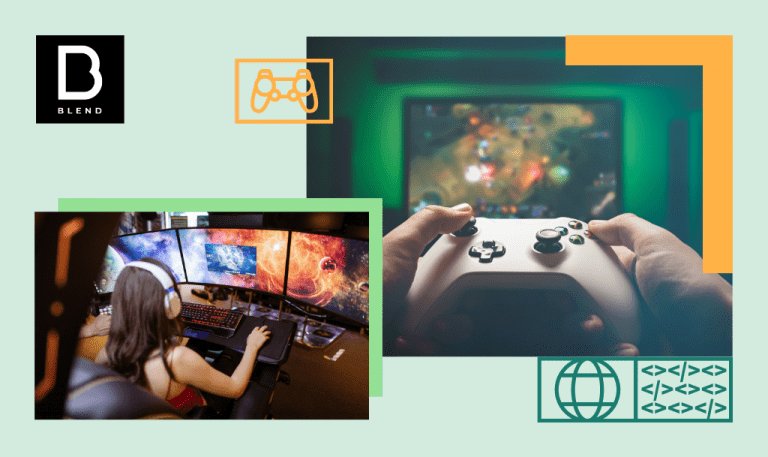
Xbox game localization adapts games for different regions by translating text, audio, and adapting cultural elements.
Ever wondered how your favorite Xbox game feels just right, no matter where you are playing in the world? It’s all thanks to Xbox game localization. This process ensures games resonate with players globally. Different languages, customs, and cultural nuances are carefully considered to provide a seamless and immersive gaming experience.

Xbox Game Localization: Bringing Worlds to Everyone
Have you ever wondered how your favorite Xbox games get to your screen in your language? It’s not magic! It’s a process called localization, and it’s super important for making sure everyone can enjoy playing. Think about it – a game made in Japan wouldn’t make much sense to someone in the United States if it was still in Japanese! That’s where Xbox game localization steps in. It’s more than just translating words; it’s about making a game feel like it was made just for you, no matter where you live.
Why is Xbox Game Localization Important?
Localization is the key to a game’s global success. Without it, many gamers around the world would miss out. It’s not just about words, either. It’s about understanding different cultures and making sure everything feels right. Here’s why it’s so vital:
- Reaching More Players: When a game is localized, more people can play it. Imagine only being able to play games made in your country – that would be boring! Localization opens up gaming to a much bigger audience.
- Better Understanding and Immersion: Localized games make it easier to understand the story and the gameplay. When text, voice-overs, and even cultural references fit your language and background, the game becomes way more immersive. You really feel like you’re part of the world.
- Improved User Experience: Imagine playing a game with badly translated text or confusing cultural references. It would be annoying, right? Localization makes sure all the little details are correct, improving your experience.
- Increased Sales and Revenue: When more people can play and enjoy a game, the more copies get sold. This is good for everyone – game developers get to keep making amazing games, and we get to play them!
- Cultural Sensitivity: Localization involves adapting the game’s content to be respectful of different cultures. This prevents misunderstandings and makes everyone feel welcomed.
The Different Aspects of Xbox Game Localization
Xbox game localization is a complex process with lots of different parts. It’s not just about translating the game script! Let’s dive into some key elements:
Text Translation
This is probably the first thing that comes to mind when you think of localization. It involves translating all the text in the game, including:
- Dialogue: The conversations characters have in the game.
- Menus and User Interface (UI): The text you see when navigating the game’s options and menus.
- Subtitles: The text that appears at the bottom of the screen during cutscenes.
- Item Names and Descriptions: The names and details of objects, weapons, and other game elements.
- Tutorials and Instructions: The text that teaches you how to play the game.
Text translation goes beyond simple word-for-word conversion. It requires translators to be familiar with gaming terms and ensure the text flows naturally in the target language. They also need to think about space constraints in menus or on the screen. Sometimes a word in one language is much longer than in another, so adjustments are necessary!
Audio Localization (Voice-overs and Dubbing)
Voice-overs bring characters to life! When a game is localized, the original voice acting may be replaced with voice actors speaking in different languages. This process is known as dubbing, and it can be tricky.
Here’s what goes into audio localization:
- Casting Voice Actors: Finding the right voice actors who match the characters.
- Recording: Voice actors record their lines.
- Audio Engineering: Making sure the audio quality is good, and the voice-overs sound natural.
- Lip-Syncing: Matching the new audio to the characters’ lip movements on screen. This can be challenging, but very important for immersion.
Sometimes, instead of dubbing, games might use subtitles only. This is more common for games that have complex lip movements or when the cost of dubbing is too high. Subtitling allows players to hear the original performance while still understanding the dialogue in their own language.
Cultural Adaptation
This is a very important but often overlooked part of localization. It’s about more than just words. Cultural adaptation is about making sure a game feels right for different cultures. This might include things like:
- Changing Jokes and Humor: What’s funny in one culture might not be funny in another. Jokes and humor often need adaptation to make sense and land well.
- Removing Sensitive Content: Some images or content might be offensive to certain cultures, so these are often removed or adjusted.
- Adapting Colors, Symbols, and Images: Certain colors, symbols, or images have different meanings in different cultures. These may need to be changed. For example, in some cultures, white symbolizes mourning instead of purity.
- Adjusting In-Game References: References to specific pop culture or historical events might not be understood by everyone. Sometimes these need to be replaced with something more universally understood, or something specific to the target audience.
Cultural adaptation is essential to make sure that games feel engaging and appropriate for everyone.
Testing and Quality Assurance (QA)
Before a localized game is released, it goes through extensive testing. This involves:
- Linguistic Testing: Checking the translated text for errors in spelling, grammar, and accuracy.
- Functional Testing: Making sure the game functions correctly in the localized version. Testing menus, UI elements, controls, and all other aspects of the game.
- Cultural Testing: Checking that the game is culturally appropriate for the target audience and doesn’t contain any offensive content or problematic elements.
- Playtesting: Having players play the localized game and provide feedback.
The goal of testing is to find and fix any issues before the game reaches players. Testing is crucial to making sure the localized version of a game is as great as the original.
The Technology Behind Xbox Game Localization
Localization is made easier with tools and technologies. Here are some of the common technologies involved:
Computer-Assisted Translation (CAT) Tools
CAT tools help translators work faster and more efficiently. They can:
- Store Translated Phrases: This way, if the same phrase appears again, the translator can use the same translation, making the translation consistent.
- Highlight Potential Issues: They can point out inconsistencies or potential errors.
- Provide Contextual Information: They can help translators see where phrases are used in the game.
Localization Management Systems (LMS)
LMS is software that helps manage the entire localization process. They help keep everyone organized and make the process flow smoothly. These systems can:
- Manage Translation Projects: They help with assigning tasks, setting deadlines, and tracking the progress of each localization project.
- Centralize Assets: They hold all the different parts of the game, like text files and audio files, in one place.
- Facilitate Communication: They help game developers and translators communicate with each other easily.
Voice Recording and Editing Software
Specialized software is used to record voice actors and edit audio. This includes software for recording, mixing, and processing audio to achieve the best quality.
The Challenges of Xbox Game Localization
Even with all the tools and technologies, Xbox game localization can be very complex and challenging. Here are some of the common hurdles faced by localization teams:
Tight Deadlines
Game development is a time-sensitive process. Localization usually happens after the core game is finished, which puts a lot of pressure on localization teams to work quickly.
Volume of Content
Modern games can have enormous amounts of text, dialogue, and audio. Localizing all of this content takes time and a lot of effort. Just think about those huge open-world games with so much to explore. All of it needs to be localized for every single region.
Contextual Understanding
Translators don’t just need to translate words; they need to understand their context within the game. This means they need to play the game and understand its story, characters, and humor. This is essential for accurate translation.
Maintaining Consistency
Keeping translations consistent throughout a game is crucial. Players might get confused if the same item is called different things in various parts of the game. That’s why localization teams work hard to keep everything consistent.
Technical Challenges
Different languages can have different character sets, text direction (left to right versus right to left), and technical limitations. This requires careful planning and adaptation.
Cultural Nuances
As we talked about earlier, understanding cultural nuances is vital for avoiding any miscommunications or causing any offense. Adapting cultural references, jokes, and imagery takes careful consideration.
The Future of Xbox Game Localization
The gaming industry is always evolving, and localization is evolving with it. Here are some of the trends we’re seeing:
AI and Machine Translation
Artificial intelligence (AI) is becoming more prevalent in localization. Machine translation can help to automate some of the more basic aspects of translation. However, it still requires human oversight and editing to ensure accuracy and natural language.
Real-Time Localization
Real-time localization allows for updates and changes to be made very quickly. This is especially important for online games, which need to react to player feedback and changes quickly.
Transcreation
Transcreation is a more creative approach to translation, where the focus is not only on accuracy but also on conveying the emotional impact of the original text. This is becoming more common in game localization.
Community Localization
Some game companies involve their players in the localization process. This can help with cost-cutting and also ensures that the localized version of the game will connect with local gamers.
How Localization Helps Xbox Games
The localization process allows games made in one place to reach a worldwide audience. By understanding and respecting cultural differences, developers can provide a more enjoyable experience to every gamer, anywhere in the world. Localization improves immersion, user experience, sales and revenue, and, most importantly, cultural sensitivity. It is vital to ensuring that games are not only playable, but fully enjoyed and appreciated by players all around the globe.
The world of Xbox game localization is a fantastic blend of technology, culture, and creativity. The next time you play an Xbox game in your language, think about all the work and care that went into making that happen. It’s truly impressive!
Behind The Scenes – Video Game Localization
Final Thoughts
Effective Xbox game localization is vital for reaching a global audience. It involves more than simple translation; it’s about adapting the game’s cultural nuances. This makes games more relatable and enjoyable for diverse players.
Careful attention to text, voiceovers, and even visual elements ensures a positive experience. Localization impacts player engagement and overall success in new markets. Xbox game localization requires expertise and a thoughtful approach.

