
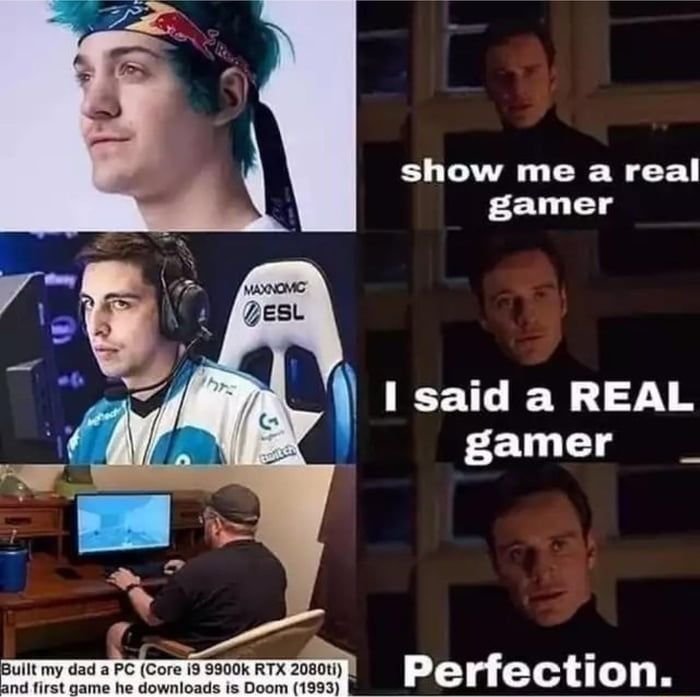
A real gamer dedicates time and energy to gaming, embraces challenges, and shows passion for the game itself.
Do you know someone who lives and breathes games? We all have that friend who always talks about their latest playthrough or upcoming release. These individuals are more than casual players. They actively seek challenges and enjoy the process of improving at their favorite games.
A real gamer doesn’t play just to pass the time. They dive deep into the mechanics and strategies, often spending hours honing their skills. They celebrate victories, learn from defeats, and share their enthusiasm. Their passion makes a gamer more than just someone who enjoys playing.

What Makes a Real Gamer?
So, you’re curious about what it means to be a “real gamer,” huh? It’s a term you hear a lot, tossed around like a power-up in a video game. But what does it actually mean? Is it about skill? The number of hours played? Or something else entirely? Let’s dive deep and explore all the different things that might make someone a true, dedicated, and passionate gamer. It’s not as simple as just picking up a controller and pushing buttons – it’s a whole culture!
Beyond the Basics: Defining the Gamer
Being a real gamer isn’t just about playing games, it’s a mindset, a passion, and a way of life for many. It’s not about having the most expensive equipment or the highest rank. Instead, it’s about the dedication to the experience itself. It’s about embracing the challenges, cherishing the victories, and learning from the defeats. There is no single definition of a real gamer, but there are certain characteristics that many of them share. Let’s examine some of those important elements:
Passion for Games
First and foremost, a real gamer has a genuine love for games. They don’t just play them because they’re bored; they play because they enjoy the experience. It’s the story, the strategy, the challenge, the social interaction, or maybe even the pretty graphics that keep them coming back for more. This passion fuels their desire to improve and explore new game worlds.
- They excitedly anticipate new game releases.
- They talk about games with enthusiasm.
- They invest time in learning new gameplay mechanics.
Dedication and Commitment
Real gamers commit to their gaming experiences. This might mean dedicating time to practice, learning complex game systems, or even researching the lore behind their favorite titles. They aren’t afraid to put in the hours necessary to get good at a game and understand its world. It’s this dedication that separates a casual player from a committed gamer.
Exploring Different Games
While many gamers have their favorite genres, a real gamer usually has a willingness to explore different types of games. They might love first-person shooters, but also dabble in strategy games, role-playing games, puzzles, or sports games. This willingness to try new things and step outside their comfort zones shows a deeper appreciation for the art of game development.
Understanding the Gaming Community
Gaming isn’t a solo experience for everyone. Many gamers are deeply involved in the gaming community. This could mean connecting with other players online, watching streams, or attending gaming events. They value the social aspect of gaming and understand the importance of being respectful and supportive within the gaming world. They understand that communication and sportsmanship are vital parts of the gaming experience.
Skill vs. Passion: Which Matters More?
A common question in the gaming world is whether skill or passion is more important. Let’s break that down. A highly skilled player might be amazing at the game, consistently winning and topping the leaderboards. However, without passion, they might just be going through the motions. On the other hand, a player with a lot of passion might not be the most skilled, but their love for the game drives them to learn, improve, and enjoy every moment. Ultimately, it’s a combination of both that makes a truly great gamer. Passion ignites the drive, and skill is developed through dedication and practice. Not all real gamers need to be esports professionals; enjoying the game is equally important.
The Role of Skill
Skill in gaming involves the ability to effectively control the game, strategize, and adapt to different situations. Here’s what skill in gaming might look like:
- Mastering complex controls.
- Understanding game mechanics.
- Developing strategic thinking.
- Adapting to changing situations in a game.
The Importance of Passion
Passion is the driving force behind a real gamer’s journey. It’s the reason why they keep playing, even when they’re losing. Here are some ways that passion shows up:
- A genuine enjoyment of the gaming experience.
- A desire to learn and improve.
- An enthusiasm for the game’s story and world.
- A willingness to connect with other gamers.
Beyond Just Playing: Deeper Engagement
For many real gamers, the involvement goes beyond just playing. They might engage with games in a variety of other ways. Let’s look at some of these:
Watching Game Streams
Many gamers enjoy watching other people play. This can be a great way to learn new strategies, discover new games, or simply enjoy the entertainment. Watching streams can be both educational and fun, offering insights into how professional players handle complex situations. It also helps to build the sense of community within the gaming culture.
Reading Game News and Reviews
Real gamers often stay up-to-date with the latest game news, reviews, and announcements. This shows their dedication to the hobby and helps them make informed choices about what games to try next. It’s not just about playing the games but also about understanding the industry as a whole. They also often enjoy discussing the merits of different games with fellow gamers.
Participating in Online Forums
Online forums and communities are a place for gamers to share their thoughts, discuss strategies, and connect with others who share their interests. These online spaces form the backbone of many gaming communities and make it easier for gamers to get together and talk about the hobby they love.
Creating Gaming Content
Some gamers take it a step further by creating their own gaming content, such as videos, reviews, or even game guides. This level of involvement shows a deep understanding of the games they play and a desire to share their knowledge with others. Creating content can also become a great way to earn a living in the world of games. From simple gameplay videos, to in depth lore analysis, there are so many ways to engage and make new and exciting content.
Gaming as a Community
Gaming is often seen as an individual pursuit, but it’s also a massive community. Real gamers understand the importance of this community, and they actively participate in it. The community aspects of gaming can often be the most appealing part of the entire experience. Whether it is playing online with strangers or meeting at local game stores, these people will often share their experiences, and create lifelong friendships.
The Social Aspect of Gaming
Many games offer online multiplayer modes, allowing players from all over the world to connect and play together. This can foster strong friendships and create a sense of camaraderie. It’s fun to collaborate with friends to achieve in-game goals. Games can be a great way to both hang out with friends, and to make new ones.
Esports and Competitive Gaming
Esports has grown in popularity, allowing skilled gamers to compete professionally in front of large audiences. These events bring the gaming community together and demonstrate the talent and dedication of players. Competitive gaming highlights the intense strategy and practice that is necessary to reach the top levels of a game. For many gamers these events are as exciting to watch as traditional sports. The excitement and passion can make the viewing experience all the more exciting.
Positive and Negative Community Interactions
Like any community, the gaming world has its ups and downs. While many interactions are positive and supportive, there can also be negative aspects such as toxicity or cyberbullying. Real gamers work to promote positive interactions and make gaming a welcoming and enjoyable environment for everyone. It’s vital to remember that the internet is filled with all kinds of people, and some might try to ruin the fun. That’s why it’s good to be conscious of the environment that you’re creating and participating in. A little kindness can go a long way to making any community better and safer.
Different Types of Gamers
It’s worth noting that there isn’t just one type of real gamer. People approach gaming in different ways and for different reasons. Here are a few types of gamers that you might encounter:
The Casual Gamer
Casual gamers play games for relaxation and entertainment. They may not be as invested in the competitive aspect of games and enjoy them at their own pace. They’re not spending as much time on the game, and maybe playing a handful of hours per week. They still enjoy the medium, but their focus is not on competitive play or mastery, but rather fun and relaxation.
The Completionist Gamer
These gamers enjoy exploring every aspect of a game and strive to achieve 100% completion. They might spend countless hours finding hidden secrets, completing side quests, or unlocking every achievement. They might even replay games multiple times, trying new builds or playing on different difficulty levels. They like to get all there is to offer out of the game.
The Competitive Gamer
Competitive gamers are driven by the desire to be the best. They focus on mastering game mechanics, developing strategies, and competing in online tournaments. These are often the kinds of players you see in esports events. They are all about winning. They’re the kind of gamer that will constantly test their mettle against other players. The challenge is a very big motivator for this group of gamers.
The Role-Playing Gamer
Role-playing gamers immerse themselves in the game’s world and characters. They enjoy the story and often create their own narratives within the game. They deeply care about the world they are playing in and the characters they control. The role playing gamer often cares about the lore of the game and will sometimes want to engage with it on platforms outside of the game.
The Speedrunner
Speedrunners try to complete games as quickly as possible using optimal strategies and game knowledge. They focus on shaving seconds off their time and usually use a very specific strategy. They know all the ins and outs of the game they are playing and are sometimes willing to exploit bugs and glitches to get the fastest possible time.
Common Myths about Real Gamers
There are many misconceptions about what it means to be a real gamer. Let’s address a few of those:
Myth: Real Gamers Are All Young Men
This is absolutely not true. People of all ages, genders, and backgrounds enjoy games. Gaming is a diverse hobby, and the community is as varied as it is vast. It’s definitely not just for young men, and all kinds of people enjoy playing video games. It is not always obvious who a gamer is, and that’s part of the fun. Anyone can be a gamer if they want to be!
Myth: Real Gamers Don’t Have Social Lives
Gaming can be a very social activity. Many gamers participate in online multiplayer games, attend gaming events, or connect with other gamers in online communities. It’s not a solitary activity for everyone, and many people find community in the world of games. People are able to play together, have a fun time, and make friends, that’s one of the best parts!
Myth: Real Gamers Are All Addicted to Video Games
While it’s true that some people may experience issues with gaming addiction, most gamers are able to balance their hobby with other aspects of their lives. It’s important to understand your own relationship with gaming. Like any hobby, video games should be enjoyed responsibly. Be sure to make time for other important things in your life.
Myth: Real Gamers Are Not Intelligent
Many games require strategy, problem-solving, and critical thinking skills. Gaming can actually be a stimulating and engaging activity that helps people develop useful skills. Gamers are often strategic and creative individuals, and that intelligence goes far beyond just gaming.
The Evolving Definition of a Gamer
The definition of a gamer is always evolving as the gaming world changes. What it meant to be a gamer ten years ago might be different than what it means today. The culture is constantly changing and developing. What it means to be a real gamer might shift with time, but at its core it always comes down to a love of games. Here are a few ways the definition is changing:
The Rise of Mobile Gaming
Mobile gaming has become a major part of the industry, bringing games to a wider audience. This has definitely changed what it means to be a real gamer. Now that so many more people play on phones and tablets, mobile games have become a core part of the entire hobby.
Inclusion and Representation
The gaming community is becoming more inclusive and representative of the diverse world we live in. This is making it easier for anyone to get involved in the community, and has made for a more welcoming space for people of different backgrounds.
Accessibility in Gaming
Game developers are making efforts to make games more accessible to people with disabilities. This further enhances the inclusivity of the gaming world, and make it so that games are something that can be enjoyed by the most people possible.
The Joy of Gaming
At the end of the day, what really makes a real gamer is the joy they get from playing games. Whether it’s conquering a difficult boss, exploring a new world, or connecting with other players, the feeling of enjoyment is the most important part of it all. It’s about the experience, the passion, and the community. It’s not about having all the best games or top-of-the-line equipment. It’s about loving the art form and the community surrounding it. So, are you a real gamer? If you feel passionate about games, enjoy your time with them, and embrace the community, then you are most certainly on the right path!
Ultimately, being a “real gamer” is less about rigid criteria and more about a deep and genuine connection with the world of video games. It’s about the passion, the commitment, the desire to learn, and the sense of community. It’s a journey of exploration, challenge, and enjoyment, and it’s one that’s always evolving. If you find joy in the games you play, then that makes you a gamer, no matter how you choose to engage with the hobby.
What A Real Gamer Looks Like
Final Thoughts
Ultimately, dedication defines a player. Understanding game mechanics and adapting strategies are essential for success. A real gamer seeks constant improvement through practice.
They immerse themselves in gameplay, enjoying the challenges and the journey. Winning isn’t everything; learning and growing through game is important. It is a test of skill.
True engagement sets a real gamer apart. They build a deep connection with the virtual world and with other players, often making the gaming experience far more fun. They value the pure joy of gaming.

