
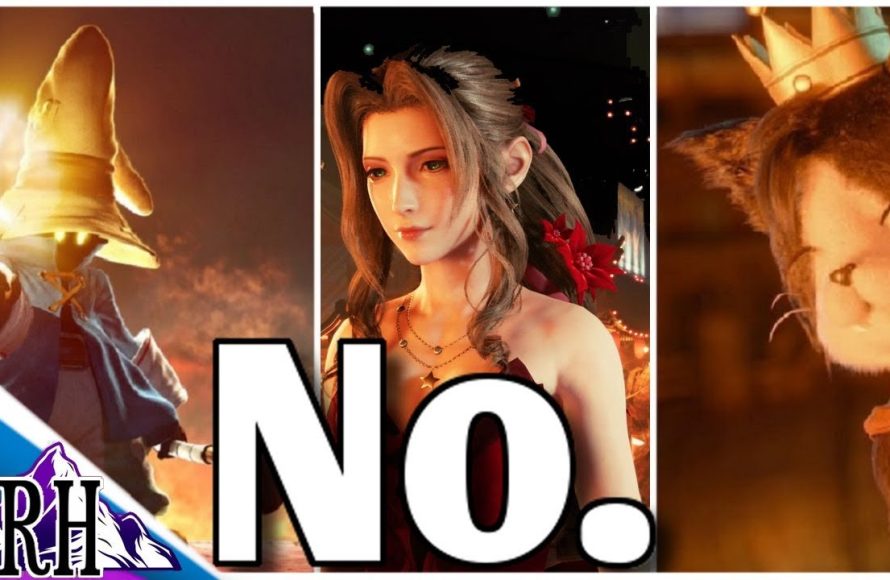
No, the main numbered Final Fantasy games are not directly connected through a single overarching storyline.
The iconic Final Fantasy series has captivated gamers for decades. With each numbered title, players explore new worlds and follow different characters, so many wonder, are all the final fantasy games connected? The simple answer is generally no; each main game operates within its own universe, offering a fresh experience.
There are often recurring themes, creatures, and gameplay mechanics that might give an impression of connectedness. However, these are simply common elements used throughout the series. This creates a familiar feel, rather than a true interconnected narrative.

Are All the Final Fantasy Games Connected?
That’s a question that’s been on the minds of Final Fantasy fans for ages! You might have played one game where characters talk about crystals and a big evil empire, then jumped into another where it’s all about magic and fighting gods. It can feel like they’re completely separate. Well, let’s dive deep into this and see if we can untangle the web of stories!
The Myth of the Shared Universe
First things first, when we talk about a shared universe, we usually think of something like the Marvel movies, where Iron Man and Captain America can pop up in each other’s stories. That’s generally not the case with Final Fantasy. There is no single Final Fantasy timeline where everything is connected. Each numbered game – Final Fantasy I, II, III, and so on – generally has its own unique world, characters, and plot. Think of them as different books in a series, each telling its own story.
However, this doesn’t mean they are totally unrelated. There are a lot of common themes and elements that pop up over and over again. These are like little nods to the other games, familiar pieces of a puzzle that help make them all feel like part of the same family. Let’s explore some of those.
Recurring Themes and Motifs
So while the worlds aren’t the same, there are things you can expect to see in most Final Fantasy games. These elements help build a sense of familiarity across all the titles, creating that ‘Final Fantasy’ feel.
Crystals
Perhaps the most iconic recurring element is the presence of crystals. They often hold immense power, and are frequently the reason for conflict in the game’s world. They can be the source of magic, of life, or sometimes, are sought after by the bad guys trying to take control of the world. The way these crystals are used or how they function can be different across the games, but you will very often find them as a central plot device.
- In Final Fantasy I, the crystals are the core of the world’s power.
- In Final Fantasy XIII, they are called fal’Cie and l’Cie, and they greatly influence the fate of people.
- In Final Fantasy V, the crystals are linked to elemental power and need to be protected.
Summons or Espers
Another big recurring element is the existence of incredibly powerful beings you can call into battle. These are known as Summons, Espers, Aeons, or similar names depending on the game. You’ll often find familiar faces like Ifrit, Shiva, and Bahamut in almost every title. The way you get them, how they look, and their abilities change from game to game, but the idea of calling upon massive entities to help in battle is a core element.
- In Final Fantasy VII, Summons are known as Materia.
- In Final Fantasy X, they are called Aeons.
- In Final Fantasy VIII, they are Guardian Forces (GF).
Job System
Many Final Fantasy games feature a job system, a way for your characters to take on different roles like Warriors, Mages, and Thieves. While the specific jobs and how they work can vary greatly between the games, the basic concept of choosing a specific set of skills for your characters to master is a very common thread that weaves through the series.
- Final Fantasy III and V are famous for their intricate job systems, allowing for a lot of player choice.
- Final Fantasy Tactics features an even more complex and expansive job system.
- Even some modern titles like Final Fantasy XIV include a class system that has clear roots in the jobs of older games.
Chocobos
And of course, how could we forget the adorable, often yellow, birds? Chocobos are a Final Fantasy staple! You’ll almost always be able to ride them, or sometimes they appear as friendly NPCs (Non-Player Characters). They’re like the series’ mascot and show up in almost every main title, sometimes with different uses.
Airships
Most Final Fantasy games involve some form of travel. Many times you’ll come across airships, which are flying vessels that allow you to journey across the world. They’re not just a way to travel, they also represent a sense of freedom and exploration that are common themes in many games.
Exceptions and Direct Connections
While most numbered games are standalone, there are exceptions. These tend to be sequels or direct spin-offs of certain titles.
Sequels and Direct Spin-offs
Some games do directly continue the story or are set in the same world as a previous title. For instance:
- Final Fantasy X-2 is a direct sequel to Final Fantasy X, with the same world and many of the same characters.
- Final Fantasy XIII-2 and Lightning Returns: Final Fantasy XIII are sequels to Final Fantasy XIII, continuing the story.
- Final Fantasy VII Remake and the following parts are a reimagining of Final Fantasy VII, but also continues the story with many of the original aspects.
- There are also titles like Crisis Core: Final Fantasy VII and Dirge of Cerberus: Final Fantasy VII that dive further into the Final Fantasy VII universe.
The World of Ivalice
Ivalice is a world that appears in multiple Final Fantasy games, though in slightly different iterations. Games like Final Fantasy XII, Final Fantasy Tactics, and Vagrant Story are all set in Ivalice. While the timelines and stories are not directly linked, they do share a world and lore. They are different time periods in the same general setting.
The Crystal Chronicles series
The Crystal Chronicles series are games that often feature similar gameplay elements, but they all follow independent storylines, they do have a unified theme that is based on the power of crystal.
What About the “Final Fantasy” Name?
It’s true that every game is named “Final Fantasy,” but this doesn’t automatically mean they’re connected. The “Final Fantasy” title was originally a nod to the company, Square, seeing it as potentially their last project if it failed. It became a huge success, and they kept using the name for all of their new games in the same style and genre. The name became a brand, not a direct indicator of a shared story.
So, the name “Final Fantasy” acts more like a badge of quality and a signal that you’re diving into a particular type of game – one with a focus on rich stories, fantasy worlds, and turn-based or real time battle systems.
So, Are They Connected? The Short Answer
The main numbered Final Fantasy games are, for the most part, not directly connected in terms of world or storyline. They are more like a collection of stories connected by common themes, ideas, and gameplay mechanics. They are like different legends in a similar folklore. It’s the shared spirit of the games that truly connects them, not a single overarching plot.
Think of it like this:
- If the games were books, each numbered title is like a different book in an anthology series, each with its own story but all with a shared style and flavor.
- If the games were a family, the numbered titles would be like different branches of the same family tree, each with its own unique individuals but still part of the family history.
Why This is a Good Thing
This approach actually helps each game feel fresh and exciting. Because the developers aren’t tied to a shared universe, they can experiment more and try new things. This is why each Final Fantasy feels so different from the last, and why the series has stayed so popular for so long.
The Beauty of Independent Stories
The independence of each game means that you can jump into any one of them and enjoy it without needing to know the history of the other games. You don’t have to play Final Fantasy I to understand what’s going on in Final Fantasy XV. You can explore each world and meet each new cast of characters without worrying about having missed out on something. It’s one of the beauties of the series – you can begin your own adventure anywhere you choose.
The series provides a shared experience without the need for complex timelines or a strict overarching narrative. The themes of friendship, bravery, and facing challenges against the odds are present in all the games. This is the real connection of the Final Fantasy games, that is, the emotional journey of these games.
While they may not share a single timeline, the Final Fantasy series has a magic of its own. The magic is in the consistent creative vision, compelling characters, and epic adventures that make every game a unique experience yet part of a larger whole. So, no, they’re not all connected in a literal sense, but they are all connected in a way that truly matters to their fans.
Are Final Fantasy Games Connected? This is Dumb!
Final Thoughts
Final Fantasy games, while sharing common themes, aren’t directly linked by a single narrative. Each main title presents a distinct world, characters, and mythology. They use recurring elements such as Chocobos or crystals, but these are more like series signatures, not plot connections.
Therefore, the answer to the question, “are all the final fantasy games connected”, is a definitive no. Each title offers an independent experience. You can pick up any game in the series and play with no prior knowledge; you must enjoy it as a standalone.

