
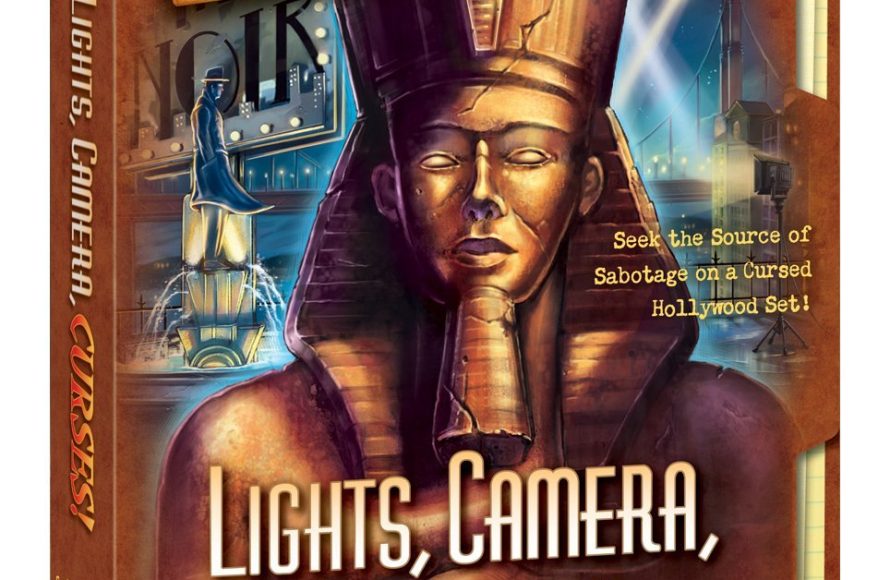
The Dossier Nancy Drew games diverge significantly from the main series, featuring a more linear, puzzle-focused experience rather than the open-world exploration of other Nancy Drew games.
Have you ever wondered if all Nancy Drew games are created equal? You might be curious if the Dossier series fits into the familiar pattern. The question, “are the dossier nancy drew games like the others,” often pops up among fans.
It’s valid to wonder if they have the same feel and mechanics as the classic titles. These games definitely offer a different kind of gameplay.
They present an alternative, more structured mystery.

Are the Dossier Nancy Drew Games Like the Others?
Okay, sleuths! You know and love Nancy Drew, the girl detective who solves mysteries all over the world. Her video games are just as fun, right? But have you ever noticed that some of her games are a bit…different? Specifically, we’re talking about the “Dossier” series. Are these games just like the others, or are they a whole different kind of mystery?
The Classic Nancy Drew Formula
Before we dig into the Dossier games, let’s talk about what makes the main Nancy Drew games so special. Think about titles like Stay Tuned for Danger, Treasure in the Royal Tower, or The Secret of Shadow Ranch. These games usually follow a pattern that we’ve all come to know and enjoy:
- First-Person Perspective: You see the world through Nancy’s eyes, exploring detailed environments.
- Puzzle Solving: You need to solve all kinds of tricky puzzles to move forward in the story. This could be anything from logic puzzles to codes and patterns.
- Interviewing Suspects: You talk to many characters, gather clues, and try to figure out who is telling the truth and who might be a suspect.
- Exploration: You travel to many locations within the game, interacting with objects and people.
- Story-Driven: A compelling plot draws you into the mystery, with a clear beginning, middle, and end.
- Inventory: You collect items that help you solve puzzles and interact with the environment.
These games are known for their challenging yet rewarding gameplay, making you feel like a real detective.
Introducing the Dossier Series
The Dossier games are something different than those classic adventures. So far, there are two in the series: Lights, Camera, Curses! and Resorting to Danger. These games take a different approach to Nancy Drew mystery-solving.
Key Differences in Gameplay
Here’s how the Dossier games shake things up:
- Time-Based Challenges: Instead of exploring at your own pace, you often have timed tasks and challenges. This can add some pressure and raise the stakes of your investigation.
- More Mini-Games: The Dossier games feature lots of short, standalone mini-games that you play to find clues or complete tasks. These mini-games often focus on speed and precision.
- Less Open Exploration: The world feels a little more contained and less about free exploration compared to main series titles. You move from one mini-game to the next, driven by the story but with fewer opportunities for independent roaming.
- Less Emphasis on Character Interviews: While you do talk to characters, the focus is less on getting information through extensive dialogue, and more on observing actions and completing tasks around them.
- Simplified Puzzles: The puzzles in Dossier games, while still fun, tend to be less complex than the multi-layered puzzles found in other Nancy Drew titles. They focus more on skill and fast reaction times than deep thought.
- Casual Gaming Style: Overall, the Dossier games lean towards a more casual gameplay experience compared to the traditional Nancy Drew formula. They can be more fast-paced and can be played in shorter bursts.
The Shift in Focus
The Dossier games shift the focus away from deep mystery and character interaction, and towards quick, fun, and often skill-based gameplay. They are about the fun of solving small problems quickly, rather than unraveling a complex plot through investigation. The mystery element is still there, but it’s presented with a faster-paced format.
Why the Change?
So, why did Her Interactive decide to create the Dossier series? There are a few reasons we can think of.
Appealing to a Wider Audience
The Dossier games might have been designed to appeal to a more casual gaming audience. Not everyone wants to spend hours on a single game session. These games allow players to jump in for shorter periods of time and still feel satisfied. They are easier to pick up and play without needing prior knowledge of the Nancy Drew series, which can broaden the fanbase.
Experimentation with Gameplay
The developers at Her Interactive also use the Dossier series as an opportunity to experiment with gameplay. They’re able to test out different mechanics and styles without risking the core experience of the mainline series. This allows them to explore new ideas and add variety to the overall Nancy Drew gaming catalogue. It’s like they’re trying different baking recipes to see what people enjoy best!
Mobile Gaming Influence
It’s possible the Dossier series was also influenced by the rise of mobile gaming. These games have an easy-to-pick-up-and-play style, which fits well with mobile gaming’s need for short sessions. The quick mini-games and time-based elements feel similar to many popular mobile games. The simple controls also make them more accessible to play on different platforms.
The Impact on Story and Mystery
Let’s examine how these gameplay changes affect the story and mystery aspects of the games.
Less Depth, More Action
Because the Dossier games focus more on quick tasks and challenges, the stories are not as detailed or complex as the main series. This doesn’t mean they are bad stories, just different. You might find the mysteries in Dossier games less intricate, focusing more on the present problem than on a deep historical or personal story.
Character Interactions
The characters in Dossier games tend to be less developed. You still meet interesting people, but your interactions are more focused on what information they can give you for your immediate task. You don’t spend as much time getting to know them as you would in a typical Nancy Drew game.
A Different Kind of Fun
While you might miss the deep investigations from the other Nancy Drew games, the Dossier games provide a different sort of enjoyment. You might find yourself competing with the clock or testing your reaction skills. They still provide that fun feeling of accomplishing tasks and solving the case. It’s like switching from a puzzle book to a fast-paced board game – both are fun, but in different ways.
Specific Examples: Lights, Camera, Curses! vs. Resorting to Danger
Let’s take a look at both of the Dossier games to understand these differences:
Lights, Camera, Curses!
- Setting: You’re on a movie set, trying to solve the mystery of why the movie production is so plagued with problems.
- Gameplay: The game has you doing lots of tasks like quickly moving props, making sure the actors are in their correct positions, and finding specific items on the set.
- Puzzles: Many of the “puzzles” are time-based, requiring quick actions to match things or solve basic pattern recognition.
- Story: The story is driven by the urgency of keeping the movie production on schedule, rather than delving into a complex background story.
Resorting to Danger
- Setting: The game takes place at a resort where lots of strange things are happening.
- Gameplay: You end up playing different types of mini-games like catching fish, preparing food, and doing various resort tasks.
- Puzzles: Like Lights, Camera, Curses!, puzzles often revolve around reacting quickly or finding hidden items within time limits.
- Story: The focus is on the current chaos happening at the resort rather than a big mystery.
Both of these games emphasize fast action, mini-games, and timed tasks over the in-depth puzzle-solving and exploration of the main series.
Are the Dossier Games “Better” or “Worse”?
This is the real question: Are these games better or worse than other Nancy Drew games? Well, it really comes down to what you want from a Nancy Drew game.
For Fans of Classic Nancy Drew:
If you love exploring environments, solving complicated puzzles, and unraveling deep mysteries with lots of character interaction, you probably won’t find the Dossier games as satisfying. You might miss the challenge and feeling of being a real detective in a complex case.
For Casual Gamers:
If you like quick games with less commitment, the Dossier games are a good fit. They are easy to pick up and play in short bursts, and the mini-games are generally fun to play. They also offer a less challenging experience, which might be preferable for some players.
A Different Experience
It’s better to view the Dossier series as a different experience, rather than comparing them directly to the main series. They are just a variation of Nancy Drew games with a unique way of delivering gameplay. Both types of games offer fun, but the type of fun is different.
In Conclusion
The Dossier Nancy Drew games are definitely not just like the others. They offer a more casual gaming experience with an emphasis on quick challenges and mini-games over deep investigations and puzzles. While they might not appeal to all fans of the classic Nancy Drew series, they offer a fun and different kind of mystery-solving adventure. They can be a great way to get a quick Nancy fix when you do not have the time to dive into a long, complicated mystery. Whether you’re a long time fan or are new to Nancy Drew games, give the Dossier series a try and decide for yourself what you think!
The Nancy Drew Games that Girlbossed too Close to the Sun
Final Thoughts
Dossier Nancy Drew games feature a unique, simplified gameplay. Puzzles are less complex than in the main series. The tone shifts, focusing on quicker cases and less exploration.
The mystery elements differ considerably. These games prioritize an accessible, faster experience compared to other Nancy Drew titles. They are meant for players who may prefer less demanding gameplay.
So, are the dossier nancy drew games like the others? The answer is a clear no; they offer a distinct, simplified approach to the usual format, which is a must for some.

