
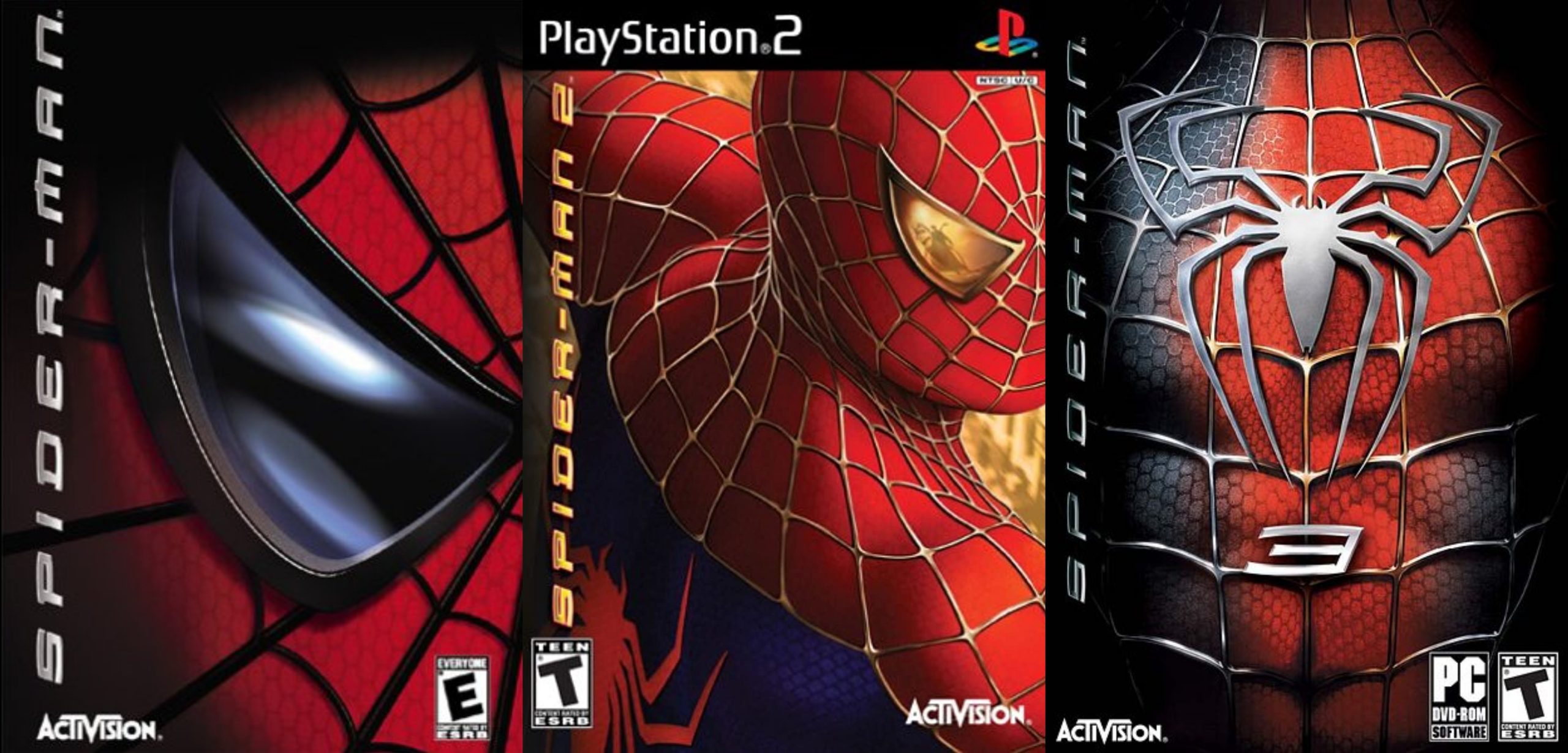
The Spider-Man games are generally considered to exist within their own separate continuities, not directly canon to the main Marvel comics or cinematic universes.
So, you’ve swung through countless digital New Yorks, battled iconic villains, and felt the weight of responsibility. The question burning in many minds is: are the Spider-Man games canon? It’s a valid question considering the rich storytelling and characters we encounter in these titles.
The games typically create their own narratives, pulling from comic lore but forging unique paths. This means that while they share many elements with existing Spider-Man universes, they aren’t bound by those same rules.

Are the Spider-Man Games Canon? Exploring the Web of Continuity
So, you’ve swung through the streets of New York as Spider-Man, battled villains, and maybe even shed a tear or two. But a question lingers in the air, thicker than a web-shooter blast: are the Spider-Man games canon? It’s a question that has tangled fans in debate for years. Let’s untangle the web and explore how these awesome adventures fit (or don’t fit) into the larger Spider-Man story.
Understanding Canon: What Does it Really Mean?
Before we dive into the games, it’s important to understand what “canon” actually means. In the world of comics, movies, and video games, “canon” refers to the official story. It’s like the main timeline, the one that everyone agrees is “true” within that fictional universe. Anything that’s not considered canon is often called “alternative,” “elseworld,” or “non-canon.” It might be a fun adventure, but it doesn’t have an impact on the primary narrative.
The Marvel Multiverse: A Spider-Web of Possibilities
One thing to keep in mind about Marvel’s storytelling is the concept of the Multiverse. This means that there are many versions of Spider-Man and his world, all living in different realities. A lot of Spider-Man games are set within their own universes, or Earths. This allows developers to tell unique stories that don’t have to fit perfectly with the main comic book or movie continuity. Knowing this idea of multiverse helps to accept that a game might not be in the same continuity with others. This understanding allows us to better consider whether a game is canon to a specific continuity, or if it stands alone as an enjoyable adventure.
The Insomniac Spider-Man Universe: A New Branch on the Web
The most prominent example of a Spider-Man game universe is the one created by Insomniac Games, starting with Marvel’s Spider-Man (2018) and continuing with Spider-Man: Miles Morales and Marvel’s Spider-Man 2. These games are known for their incredible stories, engaging gameplay, and fantastic depictions of New York City.
Is the Insomniac Spider-Man Universe Canon?
Here’s the key: the Insomniac Spider-Man games are considered canon to their own universe. They’re not part of the main Marvel comic book timeline (Earth-616) or the Marvel Cinematic Universe (MCU). These games created a unique story from the ground up. Think of it like this: the Insomniac games created their own “Earth,” filled with their own versions of heroes and villains. They have their own versions of Peter Parker, Mary Jane, and the rest of the cast.
This approach gives Insomniac a lot of freedom to tell new, exciting stories without the constraints of established continuity. They can introduce unique versions of classic villains, explore different relationships between characters, and even kill off some popular names without affecting the status quo of the main comic book or movie universe. They are not beholden to what’s going on in the latest comic book or Marvel movie.
Key Differences in the Insomniac Universe
- Peter Parker’s Age and Experience: This Peter is older, more experienced, and has been Spider-Man for quite a while. He’s established with his own apartment and a job at a lab.
- Mary Jane’s Role: Mary Jane is not just Peter’s love interest, she is a reporter who actively participates in many storylines, often being quite the hero herself.
- New Versions of Villains: While many of the villains are familiar, their backstories, motivations, and appearances may differ from their comic book counterparts. For instance, Mr. Negative is given a prominent role in the first game.
- The World: This universe has its unique history, with events like a major Oscorp accident that serves as the backstory for certain villains like Mr. Negative.
Other Spider-Man Games: A Mixed Web
Not all Spider-Man games are created equal. Some are more closely tied to existing comic book storylines, while others stand completely apart. Let’s take a look at a few examples:
Games Based on Movies
Many Spider-Man games were created to coincide with the release of Spider-Man movies. These games often follow the movie’s plot and feature the same actors as the movie cast. The biggest question here is, are they canon to the movie’s universe?
Are Movie Tie-In Games Canon?
Generally, movie tie-in games are not considered fully canon. They often take creative liberties with the story, adding levels or scenarios that are not present in the film. They are considered adaptations, not direct continuations. Here’s a simple way to look at it:
- Follows the Plot: Many movie tie-in games follow the general plot of the film.
- Adds Extra Content: They also add extra fights, bosses, and levels, that are never shown in the actual movies.
- Not Considered Canon: These games exist in their own interpretation of the films, not the official movie continuity.
Standalone Spider-Man Games
Then there are games that are not linked to any particular movie or comic series. Some examples include Spider-Man: Shattered Dimensions and Spider-Man: Web of Shadows. Where do they fit into the grand scheme of things?
Exploring Unique Stories
These types of Spider-Man games tend to exist in their own unique realities. They often explore very specific stories. These games provide creative freedom for developers. For example, Shattered Dimensions allows players to play as multiple versions of Spider-Man from different universes. This is a fun and engaging experience, but doesn’t fit into any specific canon. Similarly, Web of Shadows has a unique Symbiote storyline that’s different from other Spider-Man versions.
- Independent Storylines: These games don’t attempt to fit into the continuity of comics or movies.
- Unique Themes and Stories: These games explore themes and stories that are original.
- Alternative Universes: Most of the time, these are treated as alternative universe stories.
The LEGO Spider-Man Games: Fun, But Not Canon
What about the LEGO Spider-Man games, you might ask? These games are famous for their charming, humorous take on the Marvel Universe. They often feature Spider-Man and other heroes in adventures that are very different from their serious counterparts.
Why LEGO Games Are Definitely Not Canon
The LEGO games are known for their silly jokes, non-serious storylines, and unique LEGO-style gameplay. They are designed for lighthearted fun and are not designed to be taken as canon. They mix characters from different Marvel universes and have story elements that don’t make sense in a larger context.
- Comical Portrayals: The characters are presented in a humorous and lighthearted way.
- Non-Serious Storylines: The stories are often silly and over-the-top.
- Gameplay Focus: The games are meant for fun gameplay instead of any story continuity.
How to Approach Spider-Man Games and Their Canon
So, given the information we’ve explored, what’s the best way to enjoy Spider-Man games without being caught up in the question of canon? The best approach is to enjoy each game for its own merits. You shouldn’t necessarily look at them as a part of the same continuity. Consider them as unique adventures that let you swing through the city as everyone’s favorite friendly neighbor.
Enjoying the Games as Separate Stories
- Individual Adventures: Each game, especially the stand-alone ones, should be viewed as a unique adventure.
- Unique Perspectives: Experience different versions of the characters and stories.
- No Need for Strict Continuity: Don’t worry about fitting each game into a larger canon.
Spider-Man Games and the Marvel Multiverse
The idea of the Multiverse really helps us understand the story. These Spider-Man games add to the overall tapestry of the Marvel Multiverse. They expand what’s possible with the Spider-Man character. While they may not be part of the same main storyline, they still add to the story of Spider-Man.
Celebrating Different Spider-Man Narratives
The various game worlds offer different perspectives and variations of Spider-Man. Think of it like reading different comic series or watching different movies, each presents a new take on the character and his world. By accepting these games as being from different Earths, you can enjoy the stories that each brings to life.
Ultimately, the question “are the Spider-Man games canon?” is a bit misleading because they’re not usually meant to be part of one single canon. The games provide an opportunity for developers to explore different storylines and present different versions of characters. It makes the franchise more interesting and gives us all a lot of different ways to enjoy the stories of Spider-Man. So, keep swinging through the streets, fighting bad guys, and remember that you’re exploring a Multiverse of Spidey adventures!
All Canon Events in Spider-Man Games
Final Thoughts
Ultimately, the question of ‘are the spider man games canon’ is complicated. They exist within their own established universes. Therefore, while they may borrow elements from comics and films, they do not fit neatly into the main continuity.
The games offer unique narratives that might share some familiar faces. However, these are often variations, not exact replicas. Therefore, a simple “yes” or “no” answer proves insufficient, context matters. The individual stories must be considered.

