
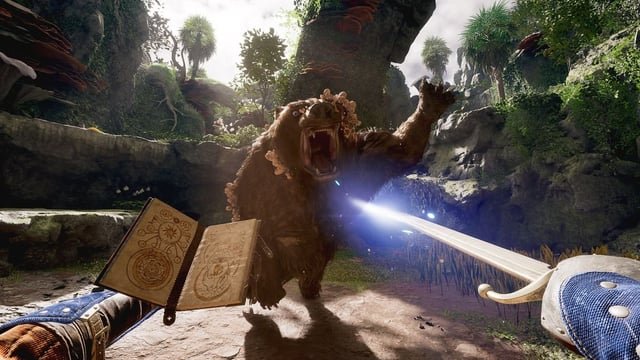
The Avowed development cycle appears to be a lengthy process, marked by significant shifts in direction, including a change in gameplay focus and engine use.
It’s fascinating to consider how games come to life, isn’t it? The journey of a video game from concept to release is complex. We often hear about the final product but rarely the intricate path it took.
One title that has sparked discussion is Obsidian Entertainment’s Avowed. Analyzing the Avowed development cycle reveals some interesting changes throughout its creation. The game’s development appears to have had its share of adjustments along the way.
These shifts, including those to gameplay and the core game engine, are something we’ll briefly go over in this post.

Avowed Development Cycle: A Deep Dive
Okay, let’s talk about how Obsidian Entertainment is making Avowed! It’s not just magic; it’s a whole bunch of planning, teamwork, and hard work. The making of a video game like Avowed is a big journey, kind of like building a giant Lego castle, but way more complicated. We’re going to explore all the important steps, from the first spark of an idea to the moment we get to play it on our screens. This process is called the development cycle, and it’s how games like Avowed come to life.
The Spark: Pre-Production
Everything starts with an idea. Before any coding or drawing, there’s pre-production. Think of it like the planning stage of a big party.
Conceptualization: What’s the Game About?
First, the creators ask big questions. What kind of world will Avowed have? What will the characters be like? What kind of story will it tell? This is where the game’s core idea takes shape. They think about the overall feeling and experience they want players to have. It’s like deciding the theme for the party – is it going to be a spooky costume party or a fun beach bash? For Avowed, this involves creating the fantastic world of Eora, deciding on its unique magic system, and establishing the narrative pillars. This stage is incredibly important because it sets the tone for everything that comes after. The team also looks at games they like, figure out what worked and what didn’t, and decide what they can do better. They research similar games, think about the gameplay and story, and brainstorm ideas together.
The Design Phase: Putting Ideas on Paper
Once they have the main idea, they start figuring out all the details. This involves a lot of design work. They think about:
- Game Mechanics: How will the game play? Will it have lots of sword fighting? Will it focus on magic spells? They have to decide all the rules of the game.
- Level Design: How will the world look? Where will the buildings be? Where will the mountains be? They make detailed maps of all the places in the game.
- Character Design: What will the characters look like? What kind of clothes will they wear? How will they act? They design the characters, making them interesting and believable.
- Story and Dialogue: What will the story be? What will the characters say? They write out all the story events and conversations.
This is also the time when they start making concept art, which are drawings that show what the world, characters, and items will look like. They make storyboards, which are like a comic book version of the game’s important moments. All of this planning is very important because it helps make sure everyone is working on the same things.
Prototyping: Testing the Waters
Next, they start building small, simple versions of the game to test out the main ideas. This is called prototyping. It’s like building a small model of the castle before making the real one. Prototypes are not meant to be pretty; they’re meant to see if the basic game ideas work. The developers check to see:
- If the fighting feels good.
- If the magic system is fun to use.
- If the controls are easy to understand.
- If the player can navigate the world easily.
This helps them catch mistakes and fix problems early before they spend too much time on the full game. This way they can make sure the core of the game is strong and fun to play.
The Heart of the Process: Production
After all the planning, it’s time to start making the actual game. This phase is called production, and it’s where all the different parts come together.
Asset Creation: Building the Game World
This is where artists create all the things you see in the game. They build 3D models of:
- Environments: Forests, cities, dungeons, mountains, lakes – all of the places in the game. They have to look detailed and believable.
- Characters: Heroes, villains, and all the other people in the game. They have to be well-animated and expressive.
- Items and Objects: Swords, shields, potions, and all the other things players can interact with. They have to look good and work properly.
This is a very time-consuming part of the process. Artists use special software to make these models, texture them so they look realistic, and animate them so that they move in a lifelike manner.
Programming and Implementation: Making it Work
This is where the magic of coding happens. Programmers take all the art and design and write the code that makes everything work. They make it possible for:
- Characters to move and fight.
- Magic to be cast.
- The story to unfold.
- The game to run smoothly.
They write code for all the different systems of the game, including the user interface, which is how you interact with the game (menus, inventory, etc.). This is very technical and requires a lot of attention to detail. They work closely with the designers and artists to make sure that the game works the way it is supposed to.
Audio Design: Sounds and Music
The sounds of a game are very important. They make the game feel more real and more exciting. Sound designers:
- Create sound effects for everything you hear in the game, from footsteps to sword clangs to magical spells.
- Make background music that creates the right mood for each location.
- Record voices for all the characters in the game.
They make sure that all the sounds in the game work well with the other parts of the game and enhance the overall experience. Music and sound help make the game feel immersive and keep the player engaged.
Game Balancing: Making it Fair and Fun
As the game is being built, it’s very important to make sure the game is balanced. This means making sure that:
- The enemies are not too hard, not too easy.
- The weapons and spells do the right amount of damage.
- The difficulty of the game feels just right for the player.
Game balancers play the game a lot, testing and tweaking things to make sure that it is challenging but also fair and enjoyable. They adjust stats, like health points, damage, and experience points, to ensure that the game is fun for players.
The Final Stretch: Testing and Polishing
Once the game is built, there’s still more work to do. The game needs to be tested and fixed to make sure everything is working properly.
Quality Assurance (QA): Finding Bugs
The QA team is like the game’s detectives. They play the game over and over, looking for bugs and glitches. They try to break the game and figure out all the things that don’t work right. This includes:
- Finding crashes (when the game stops working).
- Finding glitches in the graphics (when things look wrong).
- Finding places where the player can get stuck.
- Finding mistakes in the story or dialogue.
They document all the bugs they find and send them to the developers to be fixed. This is a very important part of the process because it makes the game better for everyone.
Debugging: Fixing the Problems
The developers take the reports from the QA team and fix all the bugs. This involves changing the code and the game assets to make sure everything is working correctly. They work closely with the QA team to make sure that the game is as perfect as possible. This process can take a long time because sometimes fixing one bug can cause other bugs to appear.
Optimization: Making the Game Run Smoothly
Making sure the game runs well on different computers and consoles is very important. The developers have to optimize the game by:
- Reducing the amount of memory it takes to run.
- Making sure it runs at a good framerate (how many pictures per second appear on the screen).
They have to make the game as efficient as possible so that it does not lag or freeze. This helps make sure that players can enjoy the game no matter what kind of computer or console they have.
The Last Step: Launch and Post-Launch
Finally, the game is ready to be shared with the world! This is called the launch, but even after the game comes out, there’s still work to be done.
Marketing and Promotion
Before the game comes out, the team works to get people excited about it. They create trailers and gameplay videos, talk to the media, and show the game to different people. The marketing team is very important because they help spread the word about the game. They create advertising campaigns and social media posts that make players want to try the game.
Releasing the Game
The big day finally arrives! The game is released to the public, and players can finally start playing. The development team watches closely to make sure everything runs smoothly. This can be a stressful time because there might be last-minute issues that appear.
Post-Launch Support
The work isn’t done when the game is released. The team continues to support the game by:
- Fixing any bugs that players find.
- Adding new features and content to the game.
- Listening to player feedback and making changes to improve the game.
This is all part of the post-launch support, which helps make sure the game stays fun for players. They might release updates with new items, quests, or even new story content.
The Development Cycle Continues
The development cycle for a game like Avowed is a long and complicated process that requires a lot of work from many different people. But it’s all worth it in the end when we get to play a brand-new game. Each step in the process is important, from the first ideas to the post-launch support. It’s a journey that involves creativity, teamwork, and a lot of hard work.
The development cycle of a game like Avowed demonstrates the careful planning and execution needed to bring these virtual worlds to life. From the earliest conceptualizations to the post-launch support, each phase plays a critical role in the final product that players experience. The team at Obsidian Entertainment works through each of these stages with precision and creativity, aiming to craft an engaging and memorable gaming experience.
The creation of such immersive and detailed games is truly a remarkable undertaking, with each element carefully crafted, coded, tested and improved.
Avowed – Massive Game Preview (Everything You Need to Know!)
Final Thoughts
The game’s journey reveals a focused approach. Developers prioritize specific gameplay enhancements. They address player feedback carefully throughout the process.
The Avowed development cycle showcases continuous improvement. This iterative design ensures a refined final product. Obsidian’s dedication shines through this approach.

