
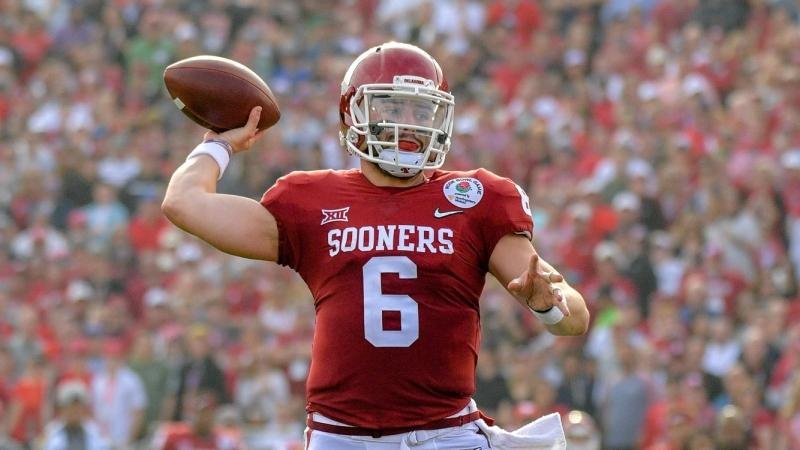
In most cases, a college football game cannot end in a tie due to the implementation of overtime rules.
Have you ever been glued to the TV, watching a nail-biting college football game, wondering if it could just end in a tie? It’s a common question, especially for newer fans of the sport. So, can a college football game end in a tie? The rules have changed over the years to create a winner and avoid the anticlimactic tie. We explore this topic today to understand the process.

Can a College Football Game End in a Tie?
Okay, let’s dive deep into the question that might be on every college football fan’s mind: can a college football game actually end in a tie? It’s a fair question, especially if you’re used to watching the NFL where ties are possible (though thankfully rare!). The answer, as you may already suspect, isn’t a simple “yes” or “no.” College football has its own set of rules, and those rules have changed over the years. Let’s explore the history, the current rules, and everything else you need to know about ties in college football.
The Era of Ties: A Look Back
Long, long ago, it was absolutely possible for college football games to end in a tie. In fact, it happened quite often! Before the current system that we have now, there was no overtime. If the clock hit zero at the end of the fourth quarter and the score was tied, well, that was it! The game ended in a tie, and each team would get half a win and half a loss on their record. Imagine how frustrating that must have been for fans!
This era of ties stretched from the early days of college football all the way up to the mid-1990s. Think about all the incredible games that didn’t have a clear winner. It must have been a completely different experience than what we see today. A tie would have affected ranking, and also might have affected a bowl appearance.
Here’s a quick look at what some older college football games might have looked like:
- A hard-fought battle ends 10-10. Final score. Tie game.
- Two teams play a slow, defensive game, resulting in a 7-7 deadlock. Tie game.
- High scoring back and forth game ends 42-42. Tie game.
Why the Change?
So, why did college football decide to get rid of ties? There were a few key reasons. First, nobody really likes a tie. Fans want to see a winner. Second, a tie didn’t really settle anything. It left teams and fans with a sense of unfinished business. Finally, the lack of a clear victor could potentially impact bowl game selection and national championship standings. This was especially true in a era of subjective polling for rankings.
The Introduction of Overtime: The Tie-Breaker
In 1996, the NCAA made a big change to college football: they introduced overtime. This was a game-changer! It meant that from then on, almost every game would have a definite winner, unless the game is suspended because of weather or a similar situation. The overtime rules that are in place are designed to be fast, exciting, and, most importantly, to break a tie. The goal was to make sure that there will be a winner. The format has tweaked over time and is somewhat different from the NFL system, making it uniquely college football.
How Overtime Works in College Football
Here’s a breakdown of how college football overtime works:
- Coin Toss: Before the overtime period starts, there is a coin toss. The team that wins the toss chooses whether to play offense or defense first. The other team then makes its decision.
- Starting at the 25-Yard Line: The first team that has an offensive possession starts their drive at their opponent’s 25-yard line. They get four plays (downs) to try and score a touchdown or a field goal.
- The Other Team’s Turn: After the first team’s possession ends, the other team gets the ball at the 25-yard line and tries to score, using the same rules.
- First Overtime Each team tries to outscore the other in their turn. If the scores are still tied, we go to another overtime.
- Second Overtime: If the scores remain tied after the first overtime period, then the second overtime period will begin. The process is similar but with different variations.
- Starting at the 3-yard line: If after the second overtime, the teams remain tied then in the third overtime, teams will have only one chance from the three-yard line to score a two-point conversion.
- Repeat: This continues as long as it takes to determine a winner. There can be multiple overtime periods until one of the team has won.
Each team gets one timeout per overtime period. It’s also important to remember that in an overtime period, a field goal can be scored and is worth three points, but if a touchdown is scored then the team will also get a chance to kick an extra point after the touchdown for one point. This method keeps the extra point after touchdown.
The Excitement of College Football Overtime
College football overtime is known for being one of the most exciting parts of the game. It is a high-pressure situation where there is no time to play safe. Every play can change the game, and the crowd goes wild with each possession. It can be very fast, and a team could win it quickly.
This setup creates a completely different experience than what the old tie games would provide. We now see a winner at the end of each college football game. The focus is completely changed into who can score one more point and who can make the next big play.
Are There Any Exceptions?
While college football overtime makes ties nearly impossible, there is always some room for exceptions, albeit rare. There can be circumstances under which a game is unable to continue, and a tie will be recorded.
Suspended Games
One such situation could happen in the case of a game being suspended due to dangerous weather or some other extraordinary circumstance. If a game is stopped and cannot continue, due to lightning, a hurricane, a natural disaster, or some other situation and if the game is in a tie, then the final score will stand as a tie.
These situations are quite rare, and there is normally a window for the game to be completed. If there is no option, there might be a scenario where the game ends in a tie. This makes a game end in a tie in the rarest scenario.
Forfeit Situations
Although very very rare, If a team forfeits, and the game is tied at the time of the forfeit, the record books would likely indicate a tie. However, that would not happen in most circumstances.
These exceptions remind us that even with clear rules, life sometimes throws unexpected curveballs that can lead to unusual outcomes.
The Impact of No Ties on the Game
Getting rid of ties has made a significant impact on the game of college football. Here are some of them:
- Increased Excitement: The overtime format makes the end of games more dramatic and exciting.
- Definitive Winner: Overtime guarantees that there is a winner. There is a final result and a clear conclusion.
- Better rankings: Because of the fact that the teams win or lose, there are less issues in terms of ranking, or going to playoffs or bowl games.
- Fan Engagement: Overtime drives the level of engagement, and the fans keep watching until the end of the game.
Ties and the Record Books
So, what happens to the old ties that occurred before overtime? These games are still part of college football history, and they are in the record books. They serve as a reminder of the times when a game didn’t have a clear winner. However, these games rarely matter in modern context.
A Look at Tie Percentages
It’s fascinating to see the number of tie games compared to total games played before the overtime rule and now.
- Pre-1996: Tie games were much more frequent, especially in the earlier years of college football.
- Post-1996: Ties are now extremely rare and practically nonexistent, expect in some extremely rare cases.
This difference in percentage highlights the big changes made by adding overtime to college football.
It is true that college football has changed so much, and it is designed so that the game would not end in a tie. However, there is a history, and we can learn a lot from that. While it is always fun to see a definitive winner, there was something uniquely intriguing about the possibility of a tie. Ties in college football are a piece of history now.
To summarize, while it was once very common, the introduction of overtime in 1996 essentially eliminated ties from the college football landscape. Only the most unusual scenarios, like a weather-shortened game where no winner could be determined, could potentially result in a tie today. So, when you tune in to watch college football, you can pretty much count on seeing a winner at the end of the game!
Can a college football game end in a tie?
Final Thoughts
College football games cannot end in a tie. Overtime rules exist to determine a winner. These rules specify a series of alternating possessions until someone scores.
Therefore, a winner will always emerge. The question, “can a college football game end in a tie,” is definitive; the answer is no. No scenario permits a tie in modern college football.

