
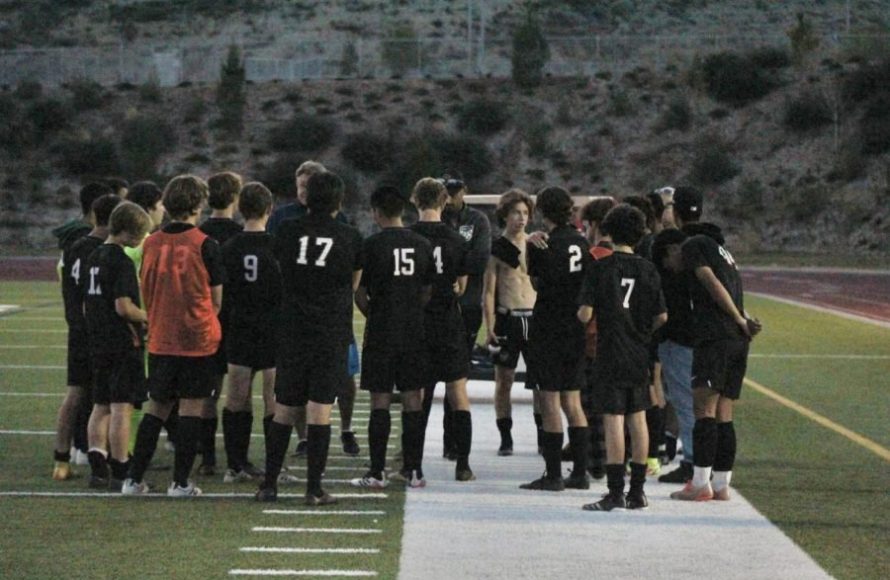
Varsity soccer games typically last 80 minutes, divided into two 40-minute halves.
Ever wondered about the duration of a high-stakes match? Many people ask, “how long are varsity soccer games?” The clock ticks down during these exciting competitions.
Games usually consist of two halves. Each half runs for 40 minutes. This ensures players have enough time to battle it out on the field.

How Long Are Varsity Soccer Games?
Ever wondered how long those exciting varsity soccer games last? It’s not as simple as saying “an hour” or “two hours.” There are different parts that make up the total time, and knowing about these can help you understand the game better. Let’s dive into the details and explore what makes up the length of a typical high school varsity soccer match.
Understanding the Basic Game Structure
Before we get into specific times, it’s good to know how a soccer game is structured. A varsity soccer game isn’t just one long stretch of play. It’s broken down into periods, like quarters in basketball or halves in football. This structure helps the players rest, allows coaches to make adjustments, and keeps the game organized. Here are the main parts you’ll find in a typical varsity soccer match:
- Two Halves: The main part of the game is divided into two equal halves. These are the longer playing periods.
- Halftime Break: Between the two halves, there’s a rest period where players can catch their breath, get advice from their coaches, and have some refreshments.
- Stop Time: Unlike some sports where the clock stops every time the ball is out of play, soccer uses running time. However, the referee can add “stoppage time” (sometimes called “injury time”) to the end of each half to account for time lost during substitutions, injuries, or other stoppages.
The Length of the Halves in Varsity Soccer
So, how long are these halves? In most high school varsity soccer games, each half is typically 40 minutes long. This means that the main playing time is 80 minutes total. That doesn’t include the halftime break or any extra time that might get added on. To clarify:
- First Half: 40 minutes
- Second Half: 40 minutes
It’s very important to remember that these are standard times. Some leagues or tournaments might make adjustments to these times, so always check with your local soccer guidelines for the exact period length.
Halftime Duration: A Moment to Rest and Re-strategize
Now that we know the length of the playing time, what about halftime? The standard halftime break in most high school varsity soccer matches is about 10 to 15 minutes. This gives the players a chance to catch their breath, grab some water, and hear from their coaches about how they’re doing and what changes they need to make for the second half. Think of it like a mini-break during a movie; it’s essential for everyone involved. Here’s what a typical halftime looks like:
- Halftime Break: 10-15 minutes (approximate). This can vary a little bit by league.
Accounting for Stoppage Time (Injury Time)
Another factor influencing the overall length of a soccer game is the concept of stoppage time, also known as injury time. Because the game clock keeps running even when play is stopped, the referee can add time at the end of each half to make up for those stoppages. For example, if there’s an injury that takes a few minutes to handle, or if there are a lot of substitutions, the referee will add that time on. How long this stoppage time will be can vary, depending on what happened during the game. It isn’t exact or pre-determined, so it keeps the game dynamic and fair. The added time can range from a few seconds to several minutes.
Factors Affecting Stoppage Time
Several things contribute to the length of stoppage time:
- Injuries: Longer injury breaks will result in more stoppage time.
- Substitutions: Each substitution usually adds a small amount of time.
- Time Wasting: If a team deliberately tries to waste time, the referee might add extra time.
- Other Delays: Other delays like balls going out of the play or other time consumption situations.
Because of the nature of stoppage time, it’s impossible to say precisely how long a soccer match will go on. It’s always a good idea to plan for some additional time at the end of the halves when you are planning to watch a game.
Total Time of a Varsity Soccer Game: Putting It All Together
So, how long is a varsity soccer game from start to finish? Let’s do a little math. We know that the game has two halves of 40 minutes each and a halftime break of 10 to 15 minutes. If we add everything up, this is how long a game would typically take:
- First Half: 40 minutes
- Halftime: 10-15 minutes
- Second Half: 40 minutes
- Stoppage Time: Varies, usually a few extra minutes (per half)
If we do the math, that means that a typical game might run for 90 to 100 minutes or a little bit more. However, it’s really important to understand that the game clock can and will change depending on the amount of stoppage time, and that can cause the total time of the game to vary.
Example Game Length Calculation:
Let’s imagine an example to see how this works:
- First Half: 40 minutes
- Stoppage Time (First Half): 2 minutes
- Halftime: 10 minutes
- Second Half: 40 minutes
- Stoppage Time (Second Half): 3 minutes
In this example, the total time of the game would be 40 + 2 + 10 + 40 + 3 = 95 minutes.
Overtime in Varsity Soccer: When Games Go Beyond the Norm
Sometimes, games end in a tie after regular time. In these situations, a varsity soccer game can enter overtime. Overtime rules can be different depending on the league, tournament, or even the specific game rules. Typically, however, here’s what can happen:
- Extra Time Periods: Instead of a continuation of regular time, overtime involves additional periods of play. The length of these periods can vary, but common extra time periods include two 5- or 10-minute halves.
- Golden Goal (Sudden Death): Some matches employ a “golden goal” rule in overtime, where the first team to score wins the game immediately.
- Penalty Shootouts: If the game is still tied after the overtime periods, many tournaments or championships will decide the winner through a penalty shootout. Each team takes turns taking penalty kicks, and the team that scores the most goals wins.
When overtime is included, games can get longer than the standard 90-100 minutes. It’s always exciting to watch and adds an element of unpredictability to the game!
Factors That Can Affect Game Length
There are some other things that can influence how long a soccer match takes:
- Weather Conditions: Bad weather like heavy rain or lightning can delay a game or pause it completely, which could make the game end later.
- Injuries: Serious injuries can lead to more stoppage time.
- Referee Decisions: Sometimes, referee decisions might cause some extra delays that add extra minutes to the match.
- Tournament Rules: The length of the game and overtime can change based on the tournament rules.
- Time Outs: Some leagues or specific games allow for time outs. The extra stoppages from time outs can contribute to a longer game.
Knowing these things can help you understand why some games might be longer or shorter than others. Each game is unique and has the potential to have its own unique duration. It adds to the fun of watching live soccer!
How Different Levels of Soccer Compare?
While we’ve been mainly talking about high school varsity soccer, it’s helpful to know how its game length compares to other levels of the sport. Here’s a quick look:
Youth Soccer
Younger players usually have shorter game times. A U-8 team may play halves of 20-25 minutes, while an U-12 team might play 30-minute halves. This is to allow the kids to rest and stay fresh, since they don’t have the same physical development or stamina as older players. As kids get older, the game time is increased. It’s all about making sure they can handle the duration of a soccer game as they grow into higher levels of play.
College Soccer
In college soccer, the halves are typically longer than in high school. College games usually consist of two 45-minute halves with a 15-minute halftime. So that is about 90 minutes of play, before the addition of any stoppage time. Like in other levels, college games may include extra time if the game is tied, and extra time formats can be different depending on the league or competition.
Professional Soccer
Professional games typically consist of two 45-minute halves with a 15-minute halftime, which is pretty similar to college soccer. These are the standards set by FIFA for international matches, and they are also used in many professional leagues around the world. Similar to other levels, professional matches also include stoppage time, and sometimes extra time and penalty shootouts for tournaments. The overall flow of professional soccer games is similar to other levels, but professional players usually play at a faster pace and more intense level, which makes professional games even more captivating.
Understanding these differences helps us appreciate that the length of a soccer game is customized to fit the age, fitness, and level of the players and the game. Each level has its purpose in the development of players. Understanding the nuances of different level games helps any soccer fan better understand the complete world of soccer.
Tips for Watching a Varsity Soccer Game
Now that you know all about how long varsity soccer games are, here are a few tips to help you enjoy watching them:
- Plan for Extra Time: Always expect the game to go a bit longer than just the 80 minutes, to account for stoppage time and maybe some extra time.
- Check the Schedule: Confirm the schedule with the league or school to make sure you don’t miss any game times.
- Bring Some Snacks: Pack some snacks and drinks to keep your energy up during the match, especially if you are watching outdoors.
- Get Comfortable: Bring a comfy chair or blanket if you’ll be sitting for a long time, so that you will be comfortable watching the game.
- Arrive Early: Arrive a little before the match is scheduled to start so that you can get a good seat and see the teams warm up.
By understanding what goes into the length of a varsity soccer game, you can be a more informed and engaged fan!
The information provided in this article helps everyone understand the duration of varsity soccer games. It covers all the essential details including the two 40-minute halves, the halftime break, stoppage time, and also the possibility of overtime. This explanation helps everyone who wants to be more knowledgable about the length of a soccer game, whether they are players, fans or just simply interested in the sport. With the added tips about the games, the article becomes more useful for any soccer enthusiast.
BIGGEST RE-MATCH IN HIGH SCHOOL SOCCER HISTORY!
Final Thoughts
Varsity soccer games typically last for 80 minutes, divided into two 40-minute halves. There is usually a halftime break of 10 to 15 minutes between halves. This standard duration provides adequate playing time for competitive matches.
However, additional time can sometimes occur due to injuries or other stoppages. These extra minutes are tacked on at the end of each half. In summary, how long are varsity soccer games? They last for 80 minutes of gameplay, with possible added time.

