
An NBA game lasts for 48 minutes, divided into four 12-minute quarters.
Ever wondered exactly how much time you spend watching a thrilling NBA match? The answer to the question of how many minutes nba game takes is quite specific, setting the pace for the entire contest. It’s crucial information for any basketball fan.
This standardized duration allows players to strategize and fans to plan their viewing. Knowing the length ensures you won’t miss any crucial moments within a game. It adds to the predictability and enjoyment of the sport.

How Many Minutes NBA Game: A Deep Dive
Okay, so you’re curious about how long an NBA game actually lasts, right? It’s a great question! While the clock might show 48 minutes, the total time a basketball game takes can be much longer. Let’s break it down and explore all the different aspects that affect how much time you’ll be spending watching your favorite teams. We’ll talk about the official playing time, those crucial breaks, and even extra time when things get really exciting. We are diving into the heart of NBA game duration.
The Core: 48 Minutes of Pure Basketball
The foundation of every NBA game is its 48 minutes of playing time. But it’s not just one big 48-minute stretch. The game is divided into four quarters, each lasting 12 minutes.
First Quarter: The start of the game, where both teams try to set the tone.
Second Quarter: Often sees increased intensity and strategic adjustments.
Third Quarter: The second half of the game gets underway, and teams may make further adjustments.
Fourth Quarter: The final quarter, where the game’s outcome is decided (unless there is a tie).
This 12-minute quarter structure is a key part of NBA regulation. This four-quarter system keeps the game flowing and allows coaches to strategize and make necessary substitutions.
Timeouts: Strategic Breaks and Clock Stoppers
Timeouts are a big part of any NBA game, and they definitely add to the overall length. These are short breaks that coaches can call to talk strategy with their players, make substitutions, or simply let the players rest. Here’s how timeouts work:
Full Timeouts: Each team gets 7 full timeouts during the game. Each full timeout lasts 1 minute and 15 seconds.
20-Second Timeouts: Each team also gets 2 twenty-second timeouts per half, lasting, of course, 20 seconds.
Dead Ball Timeouts: Sometimes, the game pauses because of a foul, the ball going out of bounds, or other reasons. These pauses, called dead balls, can also take up time, even if they’re usually brief.
All of these timeouts are important for teams, but they add up and extend the total time of a game beyond those 48 minutes of play.
Halftime: The Mid-Game Break
Right in the middle of the game, there’s a longer break called halftime. This is a 15-minute break that gives players and coaches the chance to recover and prepare for the second half. During halftime, fans might see special entertainment, like performances by cheerleaders, music, or even halftime shows. The time in halftime also allows for the television broadcasts to recap the first half, present advertisements, and prepare for the second half of the game. This break is really crucial for players who are exerting so much effort during the game. This rest time helps them stay fresh and perform at their peak in the second half.
The Importance of Clock Management
Clock management is a huge part of basketball. We might hear announcers talk about “draining the clock” which means that the team is trying to use all their available time before taking a shot. There are two time clocks we need to talk about here:
Shot Clock: The shot clock is 24 seconds long. Each time a team gains possession of the ball, they have 24 seconds to attempt a shot that hits the rim. If they fail to do this within the time limit, the ball is turned over to the other team. This clock keeps the game moving at a brisk pace.
Game Clock: This is the main clock we’ve been discussing, counting down from 12 minutes in each quarter. When the game clock goes to zero, a period is over.
Clock management is used at the end of the game so teams can secure the lead or tie the game. Using the shot clock correctly and calling timeouts wisely is a strategy that makes each game a chess match to watch and to play.
Overtime: When the Game Needs More Time
Sometimes, the score is tied at the end of the fourth quarter! This is when overtime comes into play. Overtime periods are 5 minutes long.
Overtime Periods: If the game is tied after 48 minutes, a 5-minute overtime period starts.
Multiple Overtime: If the game is still tied at the end of the first overtime, they keep playing more overtime periods of 5 minutes each until one team wins!
Overtime can turn any regular game into a nail-biting experience and is always exciting to watch.
Factors That Extend Game Length
Now that we’ve talked about the official clock and timeouts, let’s think about some other things that can make an NBA game last even longer:
Fouls: When players commit fouls, the clock stops, and players get free throws. These free throws can add a lot of time to the game.
Instant Replay: NBA uses instant replay, especially towards the end of games. This can take extra time, though it is aimed at ensuring correct calls.
Injuries: Sadly, injuries do happen, and the game clock is stopped while a player is attended to.
Commercial Breaks: This is most relevant to television broadcasts of NBA games. There are various commercial breaks that are built into the game’s structure.
These factors can all affect how long a game takes.
What’s The Average Total Time of a Game?
Okay, so you want a straight answer to the question, “How long is an NBA game really?” It can vary quite a bit, but let’s look at some estimates.
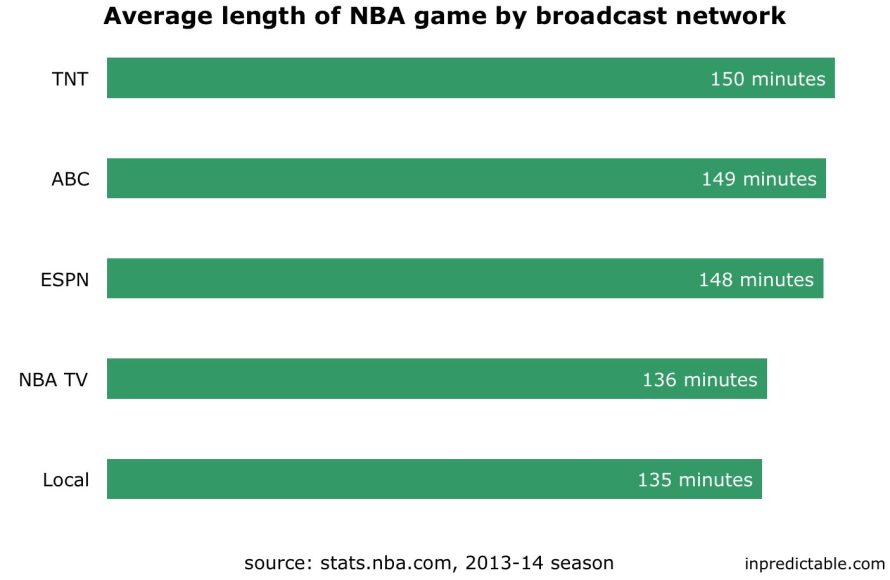
Typical Time: Most NBA games tend to last anywhere from 2 hours to 2 hours and 30 minutes. Some games may be faster than this, and some may be much slower!
Overtime Games: Games that go into overtime can easily push the total game time past 2 hours and 30 minutes, and some even close to 3 hours.
It’s good to keep in mind that when watching on television, commercial breaks can add quite a bit more time.
Comparing NBA Game Length to Other Leagues
It’s interesting to compare the NBA’s game length to other leagues in other sports. Let’s look at a few examples:
NFL (American Football): NFL games, although they have only 60 minutes of playing time, can typically take 3 hours or more due to many stoppages and commercial breaks.
MLB (Baseball): Baseball games are not timed, so their length can vary wildly, from just a couple hours to 4 hours or more.
NHL (Ice Hockey): NHL games, with three 20-minute periods, average about 2.5 to 3 hours, including breaks.
NBA game lengths fit in the middle of these, generally being shorter than an NFL game but longer than many soccer matches.
Tips For the NBA Game Fan
Here are a few tips for you if you are a fan:
Plan Ahead: If you’re planning to watch a game, add some extra time beyond the listed game time. This is helpful when thinking about transportation or planning out your day.
Be Patient: Sometimes games go longer than expected due to overtime, reviews, or injuries. Stay patient and enjoy the game.
Be Ready for Extra Excitement: Overtime is rare but really exciting. Try to watch every single moment!
Understanding all these factors will help any fan enjoy the game to its fullest.
The Impact of Pace of Play on Game Duration
The pace at which a game is played can also affect its overall length. Some teams play at a fast pace, taking quick shots and quickly transitioning from offense to defense. Other teams play a more deliberate style, holding onto the ball and trying to find an ideal shot opportunity. Here’s a look at how the pace of play can impact how long a game lasts:
Fast-Paced Games: Games with a quick pace often have more shot attempts and fewer stoppages due to strategic play. These games tend to move faster and might take less overall time.
Slower-Paced Games: Games that rely on deliberate offenses with lots of player movement, screening, and passing often have more stoppages because of fouls or violations. These games can take more time.
The pace of play is a tactical choice made by the coach, and it plays a role in the overall length and flow of the game.
Changes in NBA Game Length Over Time
The game of basketball, like most sports, has evolved over time. The NBA has seen some changes in game length over the years, including changes to the rules and the way the game is played.
Rule Changes: Changes to the rules, such as adjustments to the amount of timeouts allowed, can slightly change the total length of games. In recent years, the NBA has tried to reduce the amount of replay reviews to streamline the games.
Evolution of Play Style: In the past, teams used more traditional offenses and defenses. Now, teams have adopted more modern strategies. These changes can affect how long each game will last.
These changes and evolution show that the NBA is always looking at ways to make the game better for both the players and the viewers.
The Role of Television in Game Length
Television plays a big part in how we experience NBA games. It also plays a part in how long the games last. Here’s how:
Commercial Breaks: Television broadcasts need time for commercial breaks, which add to the total time of a game. Television schedules are built around these commercial breaks.
Instant Replays: While instant replays are helpful, they can also slow down the game, especially near the end. The television broadcast needs time to set these up and display them on the screen.
The television experience for fans is very different from what fans experience inside the arena, mostly because of these things.
The Future of NBA Game Length
It’s always fun to think about the future. What might the future hold when it comes to NBA game length?
Potential Rule Adjustments: The NBA may make some rule changes in the future to streamline the game and keep it exciting. It is very likely that the NBA will always be adjusting small things like these.
Technological Advancements: Technology may change the way the game is played. Things like new replay technologies could make the game both shorter and fairer.
The way the game is played is ever evolving, and it’s exciting to think about how the NBA will grow and change in the coming years.
So, now you know how many minutes are in an NBA game and all the things that can change its length. The 48 minutes of basketball action is just the beginning, with timeouts, halftime, and sometimes overtime making every game unique. It’s not just about the score; it’s about the strategy, the excitement, and the moments that make basketball so much fun to watch. Now go, grab a seat, and enjoy the game!
How long is a NBA game?
Final Thoughts
An NBA game consists of four 12-minute quarters. This equals 48 total minutes of playing time. However, the actual duration of a game is much longer.
Timeouts, halftime, and other stoppages extend the clock. A typical NBA game can last over two hours. So, while the core game is 48 minutes, the experience is extended with these breaks.
Therefore, the answer to ‘how many minutes nba game’ is 48 minutes of play. The total elapsed time for a game is significantly longer than the actual playing minutes.

