
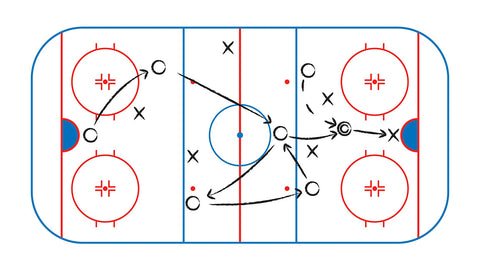
There are no quarters in a hockey game; instead, it is divided into three periods.
Ever found yourself wondering about the structure of a hockey match? Many people, especially those new to the sport, often ask how many quarters are in a hockey game. It’s a reasonable question if you’re familiar with other sports, like basketball.
Hockey, however, does not use quarters. Instead, the game progresses through three distinct periods. Each of these periods contributes to the final score and the thrilling action of a hockey match.

How Many Quarters Are in a Hockey Game?
Okay, let’s clear up something that might be a little confusing! You might be used to seeing quarters in games like basketball or American football, but hockey is different. When we talk about hockey, we don’t use “quarters.” Instead, hockey games are divided into periods. So, the simple answer is: there are no quarters in a hockey game.
The Concept of Periods in Hockey
Instead of quarters, hockey games are played in three main chunks called periods. Each of these periods is equal in length, which is very different from some other sports where the time can vary. Understanding periods is key to understanding how a hockey game flows.
Standard Game Length
In most professional hockey leagues, like the NHL (National Hockey League), each period lasts for 20 minutes of actual playing time. This means that a standard hockey game has 60 minutes of total playing time, split into three 20-minute periods. The clock stops when the play stops, so a game can actually take much longer than 60 minutes.
The Stopwatch and Play
The game clock is a crucial part of the game. It keeps track of the time in each period. Referees closely monitor the clock. Whenever there is a penalty, a stoppage of play for an icing or an offside, or whenever the puck goes out of play, the clock stops. This “stop time” feature is essential for keeping the actual playing time to the prescribed 20 minutes per period, ensuring fairness.
Between Periods
Between each period, the players get a chance to rest and coaches make plans. This break is called an intermission. These intermissions are important for the players to recharge, especially in a fast-paced sport like hockey. The first intermission is usually around 15 minutes long, and the second one might be a bit longer. These intermissions also allow time for the ice to be resurfaced, making it nice and smooth for the players to skate on during the next period.
Why Periods Instead of Quarters?
Great question! There’s no one single answer to why hockey uses periods instead of quarters, but a big part of it is historical. The way hockey was played a long time ago influenced how the game evolved. Also, the flow and speed of hockey may have made dividing it into three sections more suitable compared to the four sections that you see in other sports. Let’s look at some possible reasons:
- Tradition: Hockey, as a sport, has its own history and set of traditions. The division of the game into periods is one of those long-standing traditions. It’s simply how hockey games have been structured for many, many years.
- Ice Resurfacing: A key difference between a hockey rink and a basketball court or a football field is the surface. Ice needs to be maintained to ensure player safety and smooth play. The two intermissions provide vital opportunities to resurface the ice. Having more frequent, shorter periods might make it difficult to resurface the ice efficiently.
- Game Flow: Unlike sports like basketball, where there are frequent stoppages, hockey has more continuous action. Three longer periods allows for a more sustained flow of the game. This can make for a more engaging viewing experience.
- Physical Demands: Hockey is a very physical and demanding sport. Giving players two lengthy breaks allows them the much needed time to rest and to make any tactical adjustments that they need to make for the remainder of the game.
Variations in Period Length
While the standard is three 20-minute periods, there are some situations where this can change. It’s important to know that not all hockey games are created equal! Let’s look at some exceptions:
Youth Hockey
When kids are playing hockey, the period lengths are often shorter. This is because younger players may not be able to handle the same physical demands as adults. Period lengths can vary depending on the age group, the skill level, and specific league rules. You might see periods that are 10, 12, or 15 minutes long.
Modified Playing Time for Younger Athletes
Shorter periods are not just about physical endurance. They also allow younger players to focus better, keeping them engaged and helping them learn the game at a more manageable pace. It also ensures that the games are a manageable length of time for younger audiences, who might find that the full length of a professional game too long.
Overtime
If a game is tied after the three regular periods, it goes into overtime. The rules for overtime can vary depending on the league. In some cases, overtime periods are shorter than a normal period. Sometimes, it is sudden death, where the game ends as soon as someone scores. The rules for overtime can be confusing, but the key takeaway is that it’s there to break ties and determine a winner.
Sudden Death and Time Limits
The most exciting aspect of overtime is the possibility of sudden death. This means that the first team to score wins the game, so overtime periods can be very short. Some leagues will also have a time limit on the overtime, after which, if no one has scored, there will be a shootout to determine the winner.
Other Scenarios
In certain special cases, there might be different rules about period lengths, such as in exhibition games or special events. Usually, those specific situations will be very clear and communicated ahead of time.
International Hockey
When it comes to international hockey tournaments, the rules often mirror NHL rules. For instance, during the Olympics, the games have three 20 minute periods. This helps to have a level of consistency across the world of hockey, for both the players and the fans.
A Quick Comparison: Hockey vs. Other Sports
Let’s compare hockey with a couple of other popular sports to highlight the difference:
| Sport | Divisions | Length of Division | Total Regulation Playing Time |
|---|---|---|---|
| Hockey | Periods | 20 minutes (standard) | 60 minutes (standard) |
| Basketball | Quarters | 12 minutes (NBA) | 48 minutes (NBA) |
| American Football | Quarters | 15 minutes (NFL) | 60 minutes (NFL) |
As you can see, the format of the game is different. These different structures impact how the games feel. Hockey, with its three periods, often builds to a crescendo, where the final period is filled with intense action and strategy.
The Importance of Understanding Periods for Fans
Knowing that hockey games have periods, not quarters, is important for every fan. When you hear people talking about the “first period” or “third period” of a game, you will understand that this is just another way of saying the beginning, the middle, and the end of a game.
Following the Game
Understanding periods is also important when watching the game. It allows you to track the flow of the game, know when to expect the intermissions, and to know how much time is left in the game. This adds to the overall viewing experience.
Following Player Stats
A lot of stats that you will see for players are often broken down by period. Knowing which period players have been most effective in can be valuable knowledge when talking or thinking about the game.
Key Takeaways
To make sure you’ve got it all straight, here are the main points:
- Hockey games do not have quarters.
- Hockey games are divided into three periods.
- Each period in professional hockey is typically 20 minutes long of playing time.
- There are intermissions between periods where the players can rest.
- Youth hockey often has shorter period lengths.
- Overtime can have different lengths and different rules.
So next time you are talking about a hockey game, remember, it’s all about those periods!
Understanding the structure of a hockey game, with its periods and intermissions, enhances your appreciation of the game. Knowing how time is measured and managed in hockey, from youth leagues to the NHL, gives you a more complete view of this fast-paced and exciting sport. Now you know the answer to the question, “How many quarters are in a hockey game?” You can share this with your friends and spread the love of hockey. Whether you’re a seasoned fan or just starting out, knowing these details makes the game even more enjoyable.
How Many Quarters In Hockey – Hockey Rules
Final Thoughts
A standard hockey game does not use quarters. Instead, it divides into three periods. Each period lasts 20 minutes in professional hockey. It is important to understand the structure of the game.
Therefore, to answer the question, how many quarters are in a hockey game, the answer is zero. Hockey uses periods, not quarters, as a way to structure the game. This makes for a very unique game structure.

