
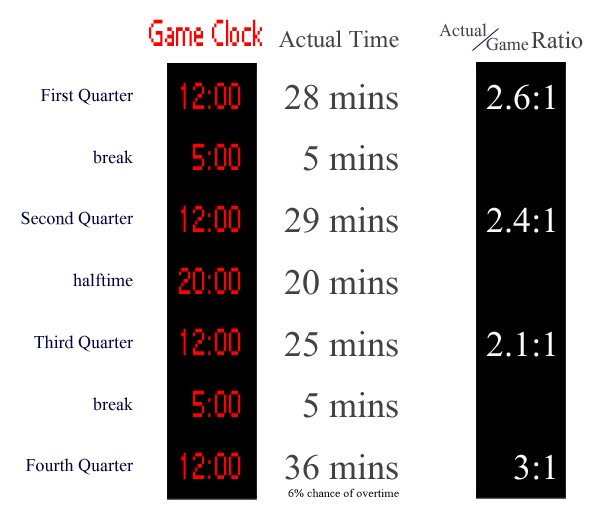
There are four quarters in a basketball game.
Ever wondered about the structure of a basketball match? The game isn’t just a continuous flow; it’s divided into specific segments. Knowing the game’s framework is essential for any fan or player. One common question is, how many quarters in a basketball game are there?
Understanding these divisions makes following the action much easier. These periods provide structure, giving teams opportunities for strategy and regrouping. The breaks between the quarters also build anticipation for what happens next on the court.

How Many Quarters in a Basketball Game?
Ever watched a thrilling basketball game and wondered how it’s structured? Well, one of the key elements is the division of play into segments called quarters. Understanding the number of quarters, and what happens during them, is crucial for any basketball fan, whether you are a seasoned watcher or just starting to enjoy the sport. Let’s dive into the details of what makes up the playing time in a basketball game.
The Standard Four Quarters
The most common format in basketball, especially at the professional and college levels, is having four quarters. Think of these quarters as four mini-games within one big game. This structure helps to break up the playing time and gives players and coaches opportunities to make adjustments, and for the audience to take a breath!
Length of Each Quarter
The amount of time in each quarter isn’t always the same. It actually varies depending on the level of play. Here’s a breakdown:
- NBA (National Basketball Association): In the NBA, each quarter is 12 minutes long. That means a total of 48 minutes of scheduled playing time (not including stoppages for fouls, timeouts, etc.).
- NCAA (National Collegiate Athletic Association): College basketball uses 10-minute quarters for women’s basketball and 20-minute halves for men’s basketball, so no quarter system there for the men, but for the women’s they also have four quarters.
- High School Basketball: In high school, a typical quarter is 8 minutes long, totaling 32 minutes of scheduled play.
- FIBA (International Basketball Federation): FIBA, which governs international basketball and Olympic games, uses 10-minute quarters.
It’s essential to remember that these are the scheduled times. The actual time it takes to play a game is always longer, due to things like timeouts, fouls, and the ball going out of bounds.
The Halftime Break
Just like in other sports, basketball has a halftime break. This comes after the second quarter and provides teams with a longer period to rest and regroup. Generally, the halftime break is 15 minutes in the NBA and 15 minutes in college basketball. These breaks allow coaches time to change their game plans and give players the chance to rehydrate and recover.
What Happens Between Quarters?
The periods between quarters are much shorter than halftime. Generally, teams have a couple minutes to make their way to the bench, receive any last-minute direction from the coach, and get ready to go back into action. These shorter breaks allow teams to catch their breath before heading back to the court.
Why Quarters?
Now you might be thinking, why do they even have quarters in the first place? There are good reasons!
- Breaks in Play: Quarters divide a long game into more manageable segments. These regular breaks help maintain the intensity of the game, and the players get a short break to reenergize, and refocus.
- Strategic Adjustments: These breaks give coaches important chances to talk to their teams. They can analyze what’s working, what isn’t, and change strategies.
- Better Game Flow: These divisions give viewers a chance to take a break too. Having those short breathers helps to keep the fans engaged for the entire game.
Understanding Overtime
What happens when the score is tied after all four quarters? That’s when we go into overtime!
Overtime Rules
The rules for overtime are pretty consistent across various levels of basketball:
- NBA Overtime: In the NBA, an overtime period is 5 minutes long. If it’s still tied after one overtime, they’ll play another, until the tie breaks.
- NCAA Overtime: College basketball also uses 5-minute overtime periods. Like the NBA, they will play as many overtime periods as necessary to decide a winner.
- High School Overtime: High school overtime periods are often shorter, around 3 or 4 minutes, depending on the state association.
The possibility of overtime adds extra excitement and drama to a basketball game. It’s a test of endurance for the players, and it can completely change the feeling of the game.
Key Differences Between Basketball Levels
As we discussed earlier, the length of each quarter changes according to the level of play. Let’s look at a quick recap on how playing time differs in basketball:
NBA Basketball
- Each quarter is 12 minutes long.
- There’s a halftime of 15 minutes.
- Overtime is 5 minutes long.
College Basketball
- Men’s basketball has two 20-minute halves, rather than quarters.
- Women’s basketball features four 10-minute quarters.
- Halftime is usually 15 minutes.
- Overtime is 5 minutes long.
High School Basketball
- Each quarter is typically 8 minutes long.
- Halftime is a bit shorter than college or NBA.
- Overtime may be shorter than the professional and college level, usually 3-4 minutes long.
FIBA Basketball
- Each quarter is 10 minutes long.
- Halftime is typically around 15 minutes.
- Overtime periods are 5 minutes long.
Impact of Quarters on Game Strategy
Understanding the structure of quarters in basketball helps to see how strategy is impacted. It means that coaches and players must adjust their game plans based on how the game unfolds in these sections.
Pacing the Game
Teams have to carefully manage their pace, they want to try to make their energy last throughout all four quarters. Players can’t play all out the entire time and this division into quarters ensures that players don’t overwork themselves early. Players use each quarter to work with their teammates and maintain an efficient pace.
Use of Timeouts
Coaches use timeouts to stop the game’s momentum and talk to their teams during those breaks. A well-timed timeout after a bad sequence in the second or third quarter could be just what the team needs. Timeouts can play a large role in changing the flow of the game.
Player Substitutions
The system of quarters gives coaches time to evaluate players’ performance, and they can make substitutions between quarters or during a timeout. Coaches can introduce fresh players into the game, depending on the strategy for that particular quarter.
A Closer Look at Game Clock Management
Basketball isn’t just about playing time but also about managing that time effectively. The clock plays a huge role in deciding the outcome of the game.
End-of-Quarter Situations
As the clock winds down in each quarter, teams often strategize to get a good last shot or prevent the other team from scoring. For example, teams may be more aggressive on offense as the end of a quarter approaches, to try and gain the lead.
Late-Game Scenarios
Similarly, time management in the final quarter can be critical. Teams use different strategies at the end of a close game. For example, a team that is ahead may be more inclined to run out the clock.
The Shot Clock
It is not only the game clock that influences basketball, but also the shot clock. This shot clock requires teams to attempt a shot within a certain number of seconds. This adds more pacing to the game, and ensures continuous action within the game. The shot clock is usually 24 seconds in the NBA and 30 seconds in college basketball.
Quarters in Different Basketball Contexts
While the four-quarter structure is most common, you may see some variations in other contexts or when the game has been changed. Here’s where we might see these differences:
Youth Basketball Leagues
In some youth leagues, you might see shorter quarters to make it more manageable for younger players. These could be 6-minute quarters, for example, depending on the age group. The goal is to keep the games fun for kids and allow them to learn without getting too fatigued.
Exhibition Games
In exhibition games or friendly matches, sometimes you might see different lengths for quarters as well. Organizers might try to speed up the game by shortening quarter lengths. This is usually for testing new game variations.
Quarters and Fan Engagement
The use of quarters has a big impact on the viewing experience of fans. Let’s take a look at how the divisions in the game affect the fan experience.
Consistent Breaks
The breaks between quarters and halftime give the audience a chance to take a short breather. This helps to keep the viewing experience engaging for all.
Opportunities for Entertainment
These breaks are also chances for organizers to provide in-game entertainment, such as music, contests, or player highlights on the big screen. These mini-events keep the energy high during the game.
Anticipation and Excitement
The quarter structure builds anticipation during the game. As a quarter finishes, fans can expect a fresh start with the next quarter. This leads to a very exciting and engaging experience for viewers.
In short, the way a basketball game is divided into quarters isn’t just about playing time; it’s a critical element that shapes game strategy, adds to the drama, and keeps players and audiences engaged. Whether it’s the NBA, college, high school, or any other league, the quarter system is a common and unifying part of the sport.
How Long Are Quarters in an NBA Game? – The Basketball Xpert
Final Thoughts
A standard basketball game has four quarters. Each quarter provides teams an opportunity to score and strategize. The game flows with defined breaks between these periods.
So, how many quarters in a basketball game? The answer is definitively four. This structure creates the familiar rhythm of the game. Understanding this aspect is fundamental to understanding basketball.

