
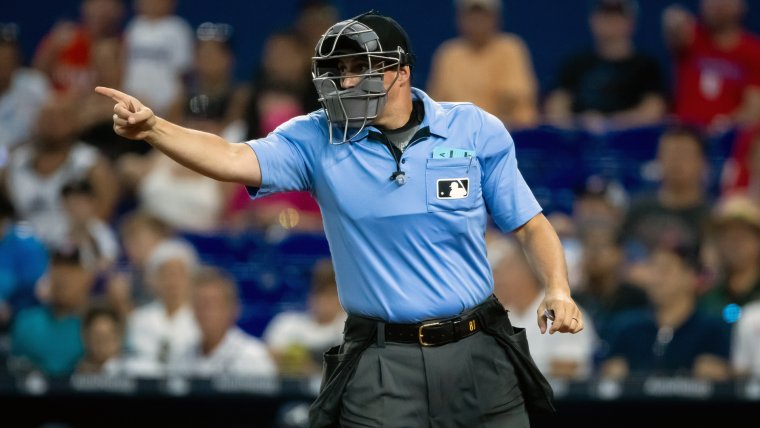
MLB umpires’ pay per game varies based on experience, but it generally ranges from approximately $1,500 to $5,000.
Have you ever wondered how much do MLB umpires get paid a game? It’s a question many baseball fans ponder, considering the crucial role these officials play. They make split-second decisions that can dramatically impact the outcome of a game.
Their compensation reflects not just the demands of their job but also their years of service in the league. It’s interesting to consider the value placed on the men in blue.

How Much Do MLB Umpires Get Paid a Game?
Ever wondered how much those folks in blue who call the balls and strikes earn? Major League Baseball umpires play a super important part in every game. They make sure the rules are followed and help keep the game fair. It’s a job that requires lots of focus, a good understanding of the game, and the ability to make tough decisions quickly. But what kind of salary do they make for all this hard work?
Understanding the Umpire Pay Scale
The salary for an MLB umpire isn’t just a flat number. It changes depending on several things. Think of it like this: a brand-new umpire won’t make as much as a veteran who’s been calling games for years. The main things that affect their pay are:
- Experience: Just like in most jobs, the more experience an umpire has, the more they usually get paid. Umpires who have worked in the league for many years earn significantly more than those just starting out.
- Collective Bargaining Agreement (CBA): The umpires’ union, called the Major League Baseball Umpires Association (MLBUA), negotiates a contract with MLB every few years. This contract sets the minimum and maximum salaries for umpires. The agreement also dictates things like pay increases for each year of service.
- Postseason Pay: Umpires who get selected to work during the playoffs and the World Series receive extra pay. These games are much higher profile and require the best umpires, so they are compensated well for their work.
The Starting Salary for Rookie Umpires
When an umpire first joins the big leagues, their salary is at the lowest end of the scale. In recent years, a first-year or rookie umpire might start out making around $150,000 a year. That might sound like a lot, and it is a very good salary, but think about the time, hardwork and efforts they put. They go through rigorous training before even stepping on the field. This salary covers all their games during the regular season.
What about per game pay?
To figure out how much an umpire earns per game, we first have to estimate how many games they usually work during the season. An MLB regular season has 162 games for each team. Umpires don’t work every single game, though. They are assigned to different series throughout the season and they travel with their crew. An umpire might work around 130-140 games a year, give or take some. So, if a rookie umpire makes, say, $150,000 a year and works 135 games, we can figure out per game pay, it’s approximately $1,111 per game. Keep in mind, this is just a rough estimate for a rookie. It does not account the travel, hotel, meal expenses, etc, which is another cost on MLB.
Salaries for Veteran Umpires
Umpires who have been in the league for many years see a considerable boost in their earnings. After several years of experience, an umpire’s salary can move much higher. Many veteran umpires earn upwards of $400,000 annually. Some of the most experienced umpires, those who work the most important games and have consistently performed at a high level, can even approach $500,000 or even more every year. The more years an umpire works in MLB, the higher their salary becomes, with automatic pay raises each year as stipulated by the CBA.
How is their per-game salary calculated?
Let’s say a veteran umpire makes $450,000 a year and works the same 135 games as our rookie example. If we divide the $450,000 by 135, we get a per-game payout of around $3,333. That’s a big difference from the rookie umpire’s pay. Again, remember that it’s just an average estimation and doesn’t include post season compensation.
Postseason Bonuses for Umpires
The regular season is just one part of an umpire’s year. The playoffs, including the League Championship Series and the World Series, are where umpires can make quite a bit of extra cash. Umpires are carefully chosen to work these important games. The selection process takes into account their performance through the season. Umpires who perform consistently well during the regular season have a greater chance to call the playoffs games. Postseason pay works like an additional bonus on top of their regular salary. This is done to compensate the importance of these games. The payment for these post season games can be $10,000 – $20,000 for each series and the numbers vary based on the specific series and total length of the playoffs.
How does playoff pay affect the overall earnings?
Having the opportunity to work in the playoffs significantly increases the total amount of money an umpire makes in a year. For example, an umpire selected to call games throughout the playoffs could earn an additional $50,000 to $80,000 for the post season alone. This boost can raise their total yearly earnings to well beyond their regular season salary, particularly for veteran umpires who are more likely to be chosen for high-profile post season series like the World Series.
Factors Affecting an Umpire’s Game Pay
While experience is the main driver of an umpire’s pay, some other factors play a role. These might not always impact the per game pay directly, but they influence the overall earning potential.
- Performance Reviews: MLB uses a system to review and evaluate the performance of umpires. Consistently good reviews can lead to more important assignments, like playoff games, and further solidify their status as a veteran umpire. Poor performance can mean fewer high-profile assignments and affect selection into high-stakes games like playoffs.
- Years of Service: Each year an umpire works in the big leagues, their salary increases according to the CBA. Even if their performance isn’t extraordinary, their pay still goes up as they gain more years of service. This is the standard form of pay structure.
- Retirement Benefits: MLB umpires, like other major league players and employees have retirement benefits that contributes to the long term career of the umpire and financial safety after retirement. It’s an important part of their overall compensation package.
Comparing MLB Umpire Pay to Other Leagues
When we look at the pay of MLB umpires compared to other leagues, they are among the highest paid in the world. MLB umpires make more than their counterparts in most other sports leagues or countries. For example, while NBA referees can earn an excellent wage, MLB umpires in general tend to earn a higher average annual salary. This difference often reflects the importance and complexity of the rules of the game and the high-profile nature of MLB.
How does pay compare to other roles in baseball?
Compared to the players, umpires earn a much smaller fraction. Star baseball players can make millions upon millions of dollars, while most umpires even the most veteran umpires don’t make that much annually. However, umpires make a comfortable living, especially considering they don’t have the risk of injuries like players do. The job also offers stability, with a regular season schedule that allows them to plan the rest of their year.
The Importance of a Well-Paid Umpire
Some might argue that umpires are overpaid, but it is necessary to compensate umpires adequately. There are several reasons for this, which go beyond just the job itself. These include:
- Attracting Qualified Candidates: A good salary helps to attract the most qualified people to become umpires. This ensures that the people calling the games know the rules well and can handle the pressures of the job. These umpires are highly skilled professionals, and they need to be rewarded accordingly.
- Reducing Corruption: Higher pay can help keep the umpires from any form of corruption. When they earn a good living, it means they don’t have any temptation to favor any team or player over another, which upholds integrity. It keeps the game fair for everyone involved, from the fans to the players.
- Rewarding Hard Work: It is important to acknowledge the challenging nature of the job. The umpires face difficult situations with high pressure and every call they make impacts the game. They must always be focused and have a thorough understanding of the game and all the rules. They must be ready to make a quick decision at any time, so rewarding them appropriately for their dedication is only fair.
The Day-to-Day Life of an MLB Umpire
Being an MLB umpire is not just about calling balls and strikes. It’s a life that involves travel, constant practice, and a lot of time away from family and home. Here’s a look into what a typical day (or series) might look like for them:
- Travel: Umpires travel from city to city with their assigned crew. They are often on the road for weeks at a time, spending time in hotels and on airplanes. They need to manage their time effectively so they get ample rest before games.
- Game Preparation: Before each game, the umpires prepare by reviewing any rule changes or specific areas of focus. They also need to be physically and mentally prepared for the game. This includes studying the team’s strategies and tendencies, as well as any new or complex rules that might come up.
- Working the Game: During the game, umpires need to be alert and pay very close attention to every play. They move around the field constantly to get the best possible view of all the action. The pressure is very high because their calls directly affect the game.
- Dealing with Pressure: Umpires have to be able to handle the pressure from players, coaches, and even fans who might disagree with their calls. They need to make split-second decisions confidently and not be swayed by other external factors, even if they are yelled at.
- Post-Game Reviews: After each game, umpires review their calls and look for any areas to improve. They meet with supervisors to review their calls and ensure they are following the league’s guidelines properly. This continuous improvement approach helps them keep their performance high and improves their game calls.
The Future of Umpire Pay
As Major League Baseball grows and changes, the compensation for its umpires will likely continue to evolve. The agreements between MLB and the MLBUA will continue to determine pay and benefits. It’s likely that we will continue to see salary increases based on performance and experience. It’s also likely that we may see more technology implemented, affecting the overall role of the umpire in the future.
The exact amount an MLB umpire makes per game varies based on many factors, but it’s clear that being a baseball umpire is a serious profession. They earn solid wages, especially if they are experienced and work the post season. These individuals play a pivotal part in the sport, and their compensation reflects the significance of their role. They make a comfortable living which is very important because without them, the game won’t be possible.
How much MLB umpires get paid 💰#shorts
Final Thoughts
MLB umpires earn a substantial income, with pay varying based on experience. A rookie umpire makes less compared to a veteran one. The specific figure for how much do mlb umpires get paid a game depends on their contract.
On average, an MLB umpire’s per-game pay is a fraction of their annual salary. This means they receive a base salary, not an exact per-game amount. How much do mlb umpires get paid a game averages out significantly less than star players.

