
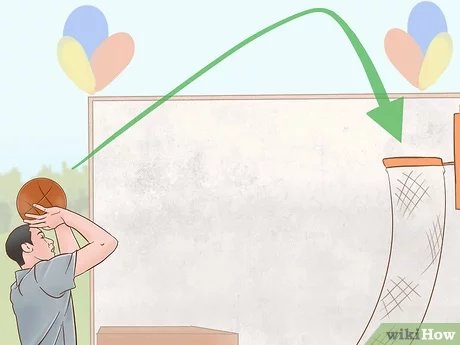
The key to how to win games at the fair lies in understanding the game’s mechanics, practicing if possible, and focusing on consistent, controlled actions rather than relying on pure luck.
Ever felt like the fair games are rigged? Many feel that frustration, but the truth is, it’s more about skill and strategy than random chance. Knowing how to win games at the fair requires a bit of an edge, some observation, and sometimes a little practice.
We’ve all seen those seemingly impossible wins, people walking away with giant stuffed animals, and wondered, “How do they do it?”. This article aims to give you some actionable tips, so you can leave the fair with prizes of your own.

How to Win Games at the Fair
Understanding the Games
Before you even think about winning a giant stuffed animal or a cool prize, it’s important to understand how fair games usually work. Many games at the fair are designed to be fun, but they are also designed so that the fair makes money. Don’t worry; it’s not impossible to win! It just means you need to be a smart player.
The Psychology of Fair Games
Fair games often play on your excitement and the idea of winning a big prize. They look shiny and fun, and they often have lots of people playing. This can make you feel like winning is easier than it is. Also, some people get so caught up in the moment that they keep playing even when they are not doing well.
- The Lure of the Prize: Big, colorful prizes are meant to make you want to play more.
- The “Almost Won” Feeling: Games are often set up so you almost win, which makes you think you’re close to a real victory.
- Peer Pressure: When you see lots of people playing, it feels like it’s easy to win.
Types of Fair Games
You will see all kinds of games at the fair. Some use skill, and others use luck. Here are some common types:
- Toss Games: Throwing rings, balls, or darts at targets.
- Shooting Games: Using toy guns to hit moving or stationary targets.
- Strength Games: Games that measure strength like the bell ringer.
- Chance Games: Games that mostly depend on luck, like picking a duck.
- Coin Games: Tossing coins at a target, or making a coin land on a spot.
Strategies for Success
Now that you know how the games are designed, let’s get to the fun part: how to actually win! Remember that winning is not guaranteed, but these tips will help you improve your odds.
Observe and Learn
Before you put down any money, take some time to watch other people play. See how they do and how the game works. Look at where they succeed and where they miss. This will give you a better understanding of the game.
- Watch the Experts: If you see someone winning, watch what they do.
- Look for Patterns: See if there are any tricks or patterns to the game.
- Consider the Angles: See what angle works the best for the toss games.
Master the Basics
Many fair games, especially the ones that involve throwing, need a good basic technique. Practice at home to work on your skills. Here are some things you can work on:
Practice Your Throw
Get a ball or some rings and practice your throwing. Try different distances and try different speeds. It also depends on how you want to throw, whether you want to throw it overhand or underhand. This will help you get more consistent at the fair.
- Underhand Toss: Practice tossing underhand for games like ring toss.
- Overhand Throw: Practice throwing overhand for games like basketball.
- Consistent Motion: Try to keep your motion the same every time.
Aim Carefully
Don’t just throw and hope. Focus on your target. Line up your throw carefully and make sure your movements are smooth. A slow and focused throw is better than a fast and wild throw.
Game-Specific Tactics
Now, let’s dive into some specific tips for some of the popular types of games.
Toss Games: Ring Toss, Ball Toss
Ring toss and ball toss games often seem easy, but they’re harder than they look. Here are some tips:
- Spin the Ring: Putting a little spin on the ring can help it float more evenly.
- Aim for the Edges: Try to land the ring or ball on the edge of the target, as it is often easier than the center.
- Soft Touch: Don’t throw too hard. A gentle toss will be more accurate.
- Be Patient:Take your time before each toss. Don’t rush!
Shooting Games
Shooting games can be tricky because the toy guns aren’t always perfect. Here are some ideas to improve your aim:
- Test the Gun: See how the gun shoots before you start the game.
- Use Both Eyes: Some people find it easier to aim with both eyes open.
- Slow and Steady: Squeeze the trigger gently instead of yanking it.
- Hold Steady: Keep the gun steady while you aim.
Strength Games
Games like the bell ringer are more about technique than brute strength. Try these:
- Focus on the swing: Try to get a good, powerful swing instead of just trying to hit it hard.
- Timing is Key: Watch how others swing and see if you can copy their swing.
- Use Your Whole Body: Swing from your hips and use your whole body for power.
Chance Games: Duck Pond, Coin Toss
While these games have more to do with luck, there are still things you can do.
- Look Closely: If picking a duck, look for the ones that are sitting in a good spot.
- Gentle Toss: If tossing a coin, try a soft throw instead of throwing hard.
- Don’t Overthink: Sometimes, just picking a number is the best way to go.
Coin Games
Coin games at the fair require patience and a steady hand. Here’s how to approach them:
- Slow Motion: Make your toss slow and steady for better accuracy.
- Spin the Coin: Sometimes, putting a little spin on the coin can help it land flat.
- Aim Carefully: Look directly at where you want the coin to land.
Managing Your Money
It’s easy to spend more money than you planned at the fair, especially when you are caught up in the excitement. Setting a budget and sticking to it is super important.
Set a Budget
Decide how much money you can spend on games before you go to the fair. This will help you keep track of how much you are playing.
- Cash is King: It is best to take cash, so you know exactly how much you have.
- Small Amount Each Game: Only play games with small payouts until you have a solid understanding of how they work.
- Don’t Chase Losses: If you are losing, take a break and don’t keep playing.
Choosing Which Games to Play
Not all games are created equal. Some are easier to win than others, so choose wisely. For example:
- Watch the Payouts: Check the value of the prizes before you spend your money. Sometimes a prize is not worth a bunch of tickets.
- Play Games You Like: Don’t just play the ones that look easy; play the ones you enjoy.
- Don’t Play the Hard Games: Don’t play games with very low odds of winning.
The Fun Factor
Winning is exciting, but going to the fair is about having fun too. Don’t let the games make you forget about all the other things to enjoy at the fair, like the food and rides.
Keep it Fun
- Don’t Get Discouraged: Not winning is part of the fun.
- Try New Things: Don’t be afraid to try a new game or a new activity.
- Enjoy the Atmosphere: Take a break and enjoy being at the fair with your friends or family.
Share the Fun
- Play with Friends: Playing with friends makes it even more fun.
- Cheer Each Other: Support each other and celebrate wins together.
Advanced Tips
If you want to get a bit more advanced, these tips can help you become a better player of the games.
Spotting the Tricks
Sometimes, games have little tricks that the people who run the games do. Knowing about these tricks can help you avoid them.
- Uneven Surfaces: Watch for uneven playing surfaces.
- Weighted Objects: Sometimes, objects are weighted to make them harder to throw.
- Practice in Secret: It can help if you see someone doing something you want to do.
Using Strategy
Sometimes a game looks like it’s all about luck, but there might be ways to use a strategy. Here are some ideas:
- Look for Patterns: Look for patterns in where the targets are, and where to hit them.
- Use Math: Use math to figure out where to aim your throws.
When to Stop
It is also important to know when to stop playing a game. If you are not having fun, or not doing well, it is time to walk away.
- Know Your Limits: If you’re not having fun, it’s okay to quit.
- Walk Away: You can always come back later.
The excitement of winning at fair games can be tempting, but the real goal is to have an enjoyable experience with friends and family. Winning a prize is just a bonus! By understanding the games, applying some strategic thinking, and most importantly, keeping a sense of fun, you can make the most of your time at the fair. Remember to watch, learn, practice, and always stick to your budget. Enjoy the vibrant atmosphere, the delicious food, and the company of those you are with, and make lasting memories that extend beyond the thrill of the game.
Carnival Scam Science (and how to WIN)
Final Thoughts
To win at fair games, carefully observe others and learn the game’s quirks. Practice your skill beforehand whenever possible. Budget your spending, and know when to walk away. Strategic selection, not necessarily luck, plays a must vital role.
Focus on games that involve skill rather than pure chance. This will give you the best chance at winning a prize. With proper planning, you will have fun. Remember, patience is key in learning how to win games at the fair.

