
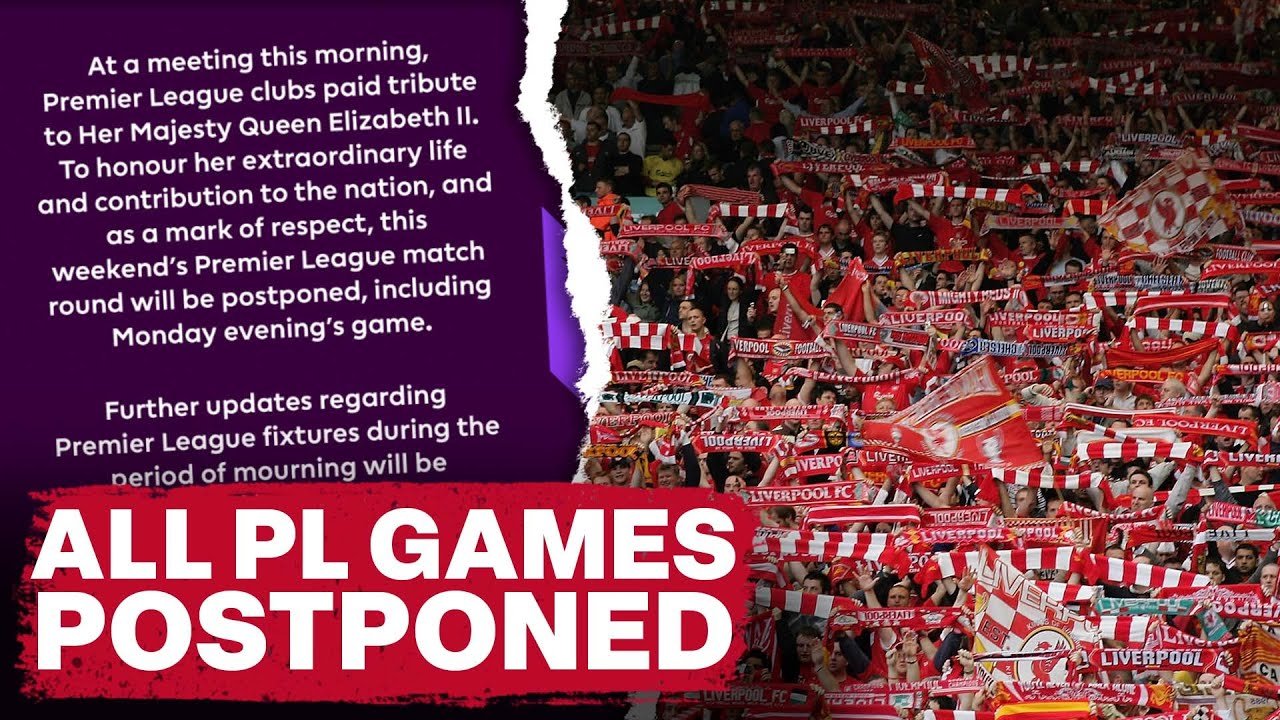
Premier League games are postponed primarily due to unforeseen circumstances like severe weather, public safety concerns, or significant player availability issues.
Ever wondered why your weekend football plans get disrupted? The question, “why are the premier league games postponed” often pops up, leaving fans disappointed. It’s not always straightforward, and various reasons contribute to these schedule changes.
These cancellations can stem from harsh weather conditions making play unsafe or logistical difficulties affecting crowd management. Sometimes it involves widespread illness within a team, hindering their ability to field a squad.

Why Are Premier League Games Postponed?
It’s frustrating, isn’t it? You’ve been looking forward to the big match all week, maybe even planned your Saturday around it, and then bam! A postponement. But why does this happen? Why are Premier League games sometimes moved to a different date? There are actually a few key reasons, and they’re not always as straightforward as you might think. Let’s dive deep into the common reasons behind these fixture changes, so next time it happens, you’ll know exactly why.
Adverse Weather Conditions
One of the most frequent culprits for postponed Premier League games is bad weather. We’re talking about more than just a light drizzle. Think heavy snow, torrential rain, or even thick fog. These weather events can create dangerous conditions both for the players and for fans. Imagine trying to play a fast-paced game on a pitch that’s completely waterlogged or covered in a thick layer of ice! It’s not just about the fun of the game; player safety is paramount, and the league takes that very seriously.
Heavy Snow and Ice
When snow falls heavily or the temperatures drop below freezing, playing surfaces can become treacherous. A frozen pitch isn’t just uncomfortable; it’s incredibly dangerous. Players could slip, lose their footing, and suffer serious injuries. Similarly, a pitch covered in deep snow can make it almost impossible for players to control the ball properly or even see the lines on the field. The match officials have to consider player safety first and foremost, often leading to a postponement.
It’s also not just about the playing surface. The areas around the stadium need to be safe too. Imagine fans trying to get to the ground on icy roads and pavements – that would be very dangerous! So, even if the pitch is playable, if the surrounding conditions aren’t safe for fans, the game will likely be postponed.
Heavy Rainfall and Waterlogged Pitches
Rain, especially in large quantities, can also cause major problems. When the drainage system of the pitch can’t cope, the field can become waterlogged. A waterlogged pitch is difficult to play on, as the ball won’t roll properly and the players will find it hard to move quickly and safely. It can also cause injuries as players struggle to maintain a grip. In these cases, the referee, after consulting with ground staff and often the league, will decide that the pitch is unplayable and postpone the match for player safety and game quality.
Extreme Fog
Dense fog is another weather condition that can make playing a Premier League match very challenging and dangerous. The primary concern with fog is visibility. If the players can’t clearly see each other, the ball, or the referee, it creates a very high risk of collisions and misplays. This lack of visibility can also impact the fans and can be a major safety hazard. If a referee cannot clearly see action, it’s a sign that visibility is too poor for a match to be played safely and fairly, leading to postponements.
Club Participation in Other Competitions
Sometimes, a Premier League game might be postponed because one of the clubs is busy playing in another competition. This is particularly common when teams are doing well in cup competitions like the FA Cup or the League Cup, and also in European competitions such as the Champions League or Europa League. These competitions have their own schedules, and sometimes they clash with the Premier League schedule.
FA Cup and League Cup Commitments
The FA Cup and League Cup are domestic competitions that sometimes lead to fixture pileups for successful teams. These competitions have their own replay rules, which means if the first match ends in a draw, another match is needed, often close to the next scheduled Premier League game. This means the teams can’t fulfil their league commitment and a postponement is needed. This is especially true when matches get to the latter stages of the competitions where games come thick and fast. It is not unusual for fixture postponements to occur during these cup runs.
European Football: Champions League and Europa League
Playing in European competitions such as the Champions League or Europa League involves a lot of travel and physical exertion, these teams often require rescheduling of their Premier League games. The Premier League tries to avoid scheduling league games immediately before or after a European match, to give the teams the best chance of success and reduce player fatigue, but sometimes clashes are unavoidable. If a team has a European match on a Wednesday, they might have their Saturday Premier League match moved to Sunday or even later so they can recover and prepare properly. The intensity of these games means that teams need sufficient recovery time to avoid serious injury.
Unforeseen Circumstances
Life is unpredictable, and sometimes things happen that are completely unexpected. These unforeseen circumstances can also lead to Premier League game postponements.
Security Concerns
Any major security concerns related to a stadium or locality may lead to the postponement of a Premier League game. If the police or other security services have specific intelligence that suggests any danger to player or fan safety, then games will be delayed, often with little warning. These kinds of decisions are not taken lightly but are based on an assessment of potential risks.
Civil Unrest and Major Events
Sometimes local or national events can directly affect the logistics or safety of a game. If there’s a local demonstration or major civil unrest close to the stadium, it could become difficult for fans to safely access the ground and for the police to maintain security. Similarly, major national events or emergencies can require all available police and safety personnel to be deployed elsewhere, making it impossible to provide adequate security for a Premier League match, causing postponements.
Ground Issues
While not as common, ground-related issues can also cause postponements. This could include problems with the floodlights, or damage to the pitch or stands. For example, if floodlights are not functioning, it will be impossible for a team to play after sunset. If there is structural damage to a stand, it may not be safe for fans to enter the stadium and a postponement would be the only solution. These problems, although less frequent, can happen quickly and mean that the stadium is not safe or fit to host a Premier League match.
Player Welfare and Injury Concerns
While not always a direct cause for a full postponement, player welfare and injury concerns have increasingly become a factor in scheduling decisions. The Premier League has to keep player safety in mind, especially with the grueling schedule that modern players face. While injury crises rarely lead to whole postponements, in extreme cases, where a team has very few players fit to play, they might request a postponement. Such requests are carefully reviewed to see whether the club is truly unable to field a side. Player welfare is paramount in ensuring that the players are able to compete regularly and consistently at the highest level, and this consideration does sometimes lead to fixture reshuffles.
Broadcasting and Scheduling Conflicts
Television is a huge part of the modern game, and while it isn’t the primary reason for postponements, broadcasting can certainly influence when games are played. Television broadcasters have specific schedules and preferences for what games they want to show, and that can occasionally result in a game being moved from its originally scheduled slot. However, this usually happens well in advance and is a deliberate rescheduling for broadcast purposes rather than a last minute postponement.
TV Rights and Match Selection
The Premier League has television deals with various broadcasters. Broadcasters will have agreements to broadcast a certain number of games per season. They usually have the right to choose which games they want to broadcast and to decide the time slot, this may lead to moving some of the games, so this creates conflict in the original schedule of premier league. These decisions are usually made in advance, but occasionally last minute changes can occur. This is especially true if the broadcaster suddenly has a slot open and wants to show a live game to fill the gap.
Balancing Fixtures and Broadcast
The Premier League has to balance both the broadcasting needs and the fixture needs of the clubs. This can create a bit of a juggling act when you factor in all the reasons that games can be moved. For instance, if a game is postponed for a weather issue, the Premier League then has to try and fit that game in at a time that suits both the teams, and the broadcaster. That can be very tricky! When there are conflicts, the Premier League has to weigh up all the factors to try and come up with the fairest solution. They often try to minimise the impact on the teams, the fans and the broadcasters.
How Postponements Are Decided
When a postponement is necessary, the decision is not made lightly and involves a number of people. The referee, the stadium ground staff, and the match officials all play a part in making sure a game is safe to go ahead. Safety always comes first, and these decisions are always made with the welfare of everyone involved in mind.
The Role of the Match Referee
The referee is the main person in charge of a game, and has a lot of power, especially when it comes to safety. Before each game, the referee inspects the pitch to see if it’s safe to play on, they will also consult with the ground staff for more information about the playing surface. The referee will also assess the conditions around the stadium, especially if bad weather is predicted, they will consider the safety of the players, the officials and the spectators. If the referee decides that the conditions are unsafe, the game can be postponed, and their decision is final. The referee has to make decisions quickly and has to be confident that the players and the fans are protected.
Consultation with Club and League Officials
After the referee has made an initial assessment about whether a game can go ahead, he or she will usually consult with club and league officials. They will discuss their concerns and make their views known. The clubs will usually want to play the game if possible, but will also accept that player safety is the priority. League officials are also involved in the decision because they have to oversee all the games. They have to make sure that any postponements are done fairly and fit into the overall schedule. The league tries to ensure games are rescheduled as quickly as possible to limit the disruption to the fixture list.
Impact of Postponements
Postponements can be quite disruptive for both the clubs and the fans. They mean a lot of rearranging of plans, and it can also affect the momentum of a team. For fans, it can mean losing money on travel and accommodation, and for clubs it can mean fixture congestion and a lot of rearranged games that need to be fitted into their schedule.
Impact on Team Schedules and Training
When games get postponed, teams have to deal with the added stress of a fixture pileup later in the season. If they have a few games postponed, they might end up playing twice a week. This can make it hard for the players to stay fit and can lead to fatigue and injuries. Teams may also have to adjust their training schedules to accommodate the changes to their match schedule. Postponements mean extra work for club staff who have to reschedule matches and plan accordingly.
Disruption for Fans
Postponements are tough on the fans. If a fan has paid for tickets, travel, and accommodation, it can be very frustrating when a game is called off. Some tickets and travel costs are often non-refundable, which means the fans are out of pocket. Also, fans who travel to the stadium may find out about postponements late, meaning they will have traveled for nothing. Postponements cause fans to re-arrange their weekend plans and it means they have to wait longer to see the game they had been looking forward to.
Understanding the reasons why Premier League games get postponed helps in accepting the decisions, even though it can be frustrating. While we would all love to watch matches without interruption, it’s important to remember that player and fan safety is paramount. There are many factors at play when scheduling and rescheduling games, and it takes careful planning and assessment to make the best decisions. The league and the clubs always try to minimize disruption and get the games played as quickly as possible.
The Liverpool vs Man Utd game will go ahead as planned after weather and safety concerns
Final Thoughts
Premier League games are postponed primarily due to significant and unforeseen events. These can include severe weather making playing conditions unsafe. Player strikes, security concerns, or national tragedies also cause postponements.
Furthermore, when clubs face a substantial number of COVID-19 cases within their squads, the league must consider player welfare. Such situations create a major impact. These are the main reasons why are the Premier League games postponed.

