
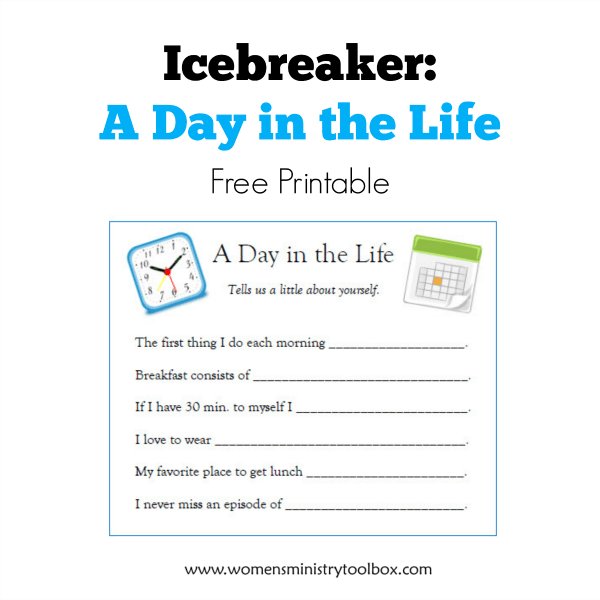
Effective ice breaker games for women encourage conversation, build rapport, and create a comfortable environment. Simple activities like “Two Truths and a Lie” or sharing favorite things often work well.
Here’s the content:
Ever feel a little awkward at the start of a women’s group gathering or event? It’s a common feeling! Ice breaker games for women can really make a difference.
These games help everyone relax and get to know each other better. They’re a fantastic way to spark connections and friendships.
They set the stage for more meaningful conversations and a more inclusive atmosphere. Let’s explore some fun and effective ideas!

Ice Breaker Games for Women
Ice breaker games are excellent tools for building camaraderie and fostering connections. They help women in various settings, from professional workshops to social gatherings. These games ease initial awkwardness and encourage interaction.
Why Use Ice Breaker Games Specifically for Women?
While many icebreakers are suitable for mixed groups, some are particularly effective with women. These activities can focus on shared experiences, encouraging deeper connections. They can also create a safe and supportive environment.
Benefits of Targeted Icebreakers
Targeted icebreakers acknowledge the unique perspectives and experiences women bring. This can lead to more authentic and meaningful interactions. They help build stronger bonds within female-dominated groups.
Fun and Engaging Ice Breaker Games
Here are some ice breaker games designed to get women talking and connecting:
Two Truths and a Lie
This classic game encourages sharing and detective work. Each person states three “facts” about themselves. Two are true, and one is a lie.
The others try to guess which statement is false. It’s a great way to learn interesting things about each other.
Would You Rather?
Present a series of “Would you rather…?” questions. These questions should be lighthearted and thought-provoking.
For example: “Would you rather have the ability to teleport or read minds?” The answers can spark interesting conversations.
Common Threads
Divide the group into smaller teams. Each team has a limited time to find things they have in common.
The team with the most commonalities wins. This game promotes collaboration and helps people discover shared interests.
Rose, Bud, Thorn
Each participant shares a “rose” (something positive), a “bud” (something they’re looking forward to), and a “thorn” (a challenge they’re facing).
This activity encourages vulnerability and support. It’s a great way to foster empathy within the group.
The Compliment Circle
Participants sit in a circle. One person starts by giving a genuine compliment to the person on their right.
The complimenting continues around the circle. This is a positive and uplifting activity.
“Never Have I Ever” (PG version)
Each person takes a turn saying “Never have I ever…” followed by something they haven’t done.
Anyone who has done that thing raises a hand. Keep the topics light and fun.
Find Someone Who
Create a worksheet with prompts like “Find someone who loves to travel” or “Find someone who speaks another language”. Participants mingle and find people who match the descriptions.
This encourages interaction and helps people discover common interests. It also helps women break out of their shells.
Ice Breaker Games for Specific Situations
Different situations call for different types of icebreakers:
Icebreakers for Workshops or Training Sessions
These games should be related to the workshop topic or the skills being taught.
The Expectation Game: Each person writes down one thing they hope to gain from the workshop. Share the expectations and address them throughout the session.
Skill Swap: Participants identify a skill they can share and a skill they want to learn. They then find someone who can teach them the skill they want to learn.
Icebreakers for Social Gatherings
These games should be lighthearted and fun. They help create a relaxed and welcoming atmosphere.
Photo Scavenger Hunt: Give participants a list of photos to take (e.g., a photo with someone wearing red, a photo with a group making a silly face). This encourages interaction and creativity.
Movie Pitch: Have each person come up with a one-sentence movie pitch about their life. Share the pitches and have everyone vote on the best one.
Icebreakers for Virtual Meetings
Virtual icebreakers need to be engaging and easy to participate in online.
Virtual Background Showcase: Ask everyone to share their virtual background and explain why they chose it. This is a quick and easy way to learn about each other’s interests.
Online Quiz: Create a fun online quiz about the group or a relevant topic. Share the results and discuss the answers.
Tips for Facilitating Ice Breaker Games
Effective facilitation is key to a successful icebreaker.
Choose the Right Game: Consider the size of the group, the setting, and the purpose of the gathering.
Explain the Rules Clearly: Ensure everyone understands the game before you start. Provide clear instructions.
Be Enthusiastic: Your energy will be contagious.
Encourage Participation: Create a safe and welcoming environment where everyone feels comfortable participating.
Keep it Short: Icebreakers should be brief and to the point. Don’t let them drag on too long.
Debrief (If Appropriate): After the game, take a few minutes to discuss what people learned or how they felt.
Creative Ice Breaker Game Ideas
Looking for something a little different? Try these creative icebreaker ideas:
The “Desert Island” Game
Ask participants: “If you were stranded on a desert island, what three things would you bring and why?”
This reveals priorities and sparks interesting discussions.
The “Personal Soundtrack” Game
Have each person share a song that represents them or a particular period in their life.
Discuss the meaning behind the songs. This connects on an emotional level.
“If I Were An Animal…”
Ask: “If you were an animal, what would you be and why?”
This encourages creative thinking and self-reflection.
The “One Word” Icebreaker
Ask each person to describe their mood or the current situation in one word.
This is a quick and easy way to gauge the group’s energy.
Adapting Ice Breaker Games for Different Group Sizes
The ideal ice breaker game changes depending on the number of participants.
Icebreakers for Small Groups (2-5 people)
Small groups allow for more intimate and in-depth conversations.
Life Story in 5 Minutes: Each person summarizes their life story in five minutes. This is a surprisingly effective way to get to know someone quickly.
Shared Values: Discuss what values are important to each person and find common ground.
Icebreakers for Medium Groups (6-15 people)
Medium-sized groups benefit from games that encourage interaction but are still manageable.
Human Bingo: Create bingo cards with characteristics or experiences (e.g., “Has traveled to Europe”, “Plays a musical instrument”). Participants mingle and find people who match the descriptions.
Team Building Challenges: Present a problem-solving challenge that requires teamwork.
Icebreakers for Large Groups (16+ people)
Large groups require icebreakers that are easy to understand and participate in.
Stand Up/Sit Down: Call out statements (e.g., “Stand up if you like coffee”). Participants stand up or sit down based on whether the statement applies to them.
Line Up: Ask participants to line up in order of height, birthday, or some other characteristic without talking. This encourages non-verbal communication and problem-solving.
Icebreaker Games that Promote Teamwork
Teamwork-focused icebreakers build trust and collaboration.
The Human Knot
Participants stand in a circle and reach out to grab two different people’s hands. The group then works together to untangle themselves without letting go of hands.
This promotes communication and problem-solving skills.
Blind Drawing
One person describes an object or scene while the other person tries to draw it without looking at the original.
This improves communication and listening skills.
Tower Building Challenge
Provide teams with limited materials (e.g., straws, tape, string) and challenge them to build the tallest tower possible.
This encourages creativity, problem-solving, and teamwork.
Considerations for Inclusive Ice Breaker Games
It’s crucial to ensure icebreakers are inclusive and respectful of everyone’s backgrounds and experiences.
Avoid Assumptions: Don’t make assumptions about people’s marital status, family situations, or cultural backgrounds.
Be Mindful of Physical Limitations: Choose games that are accessible to people with disabilities.
Respect Personal Boundaries: Don’t pressure anyone to share more than they are comfortable with.
Use Inclusive Language: Avoid gendered language and be mindful of cultural sensitivities.
Provide Options: Offer alternative activities for people who may not be comfortable participating in the main game.
The Importance of Debriefing After an Ice Breaker
Taking time to debrief after an ice breaker allows participants to reflect on the experience.
Encourage Sharing: Ask participants what they learned or how they felt during the activity.
Connect to the Purpose: Explain how the icebreaker relates to the goals of the meeting or event.
Identify Key Takeaways: Discuss any important insights or lessons learned.
Gather Feedback: Ask participants for feedback on the icebreaker itself. This helps you improve your facilitation skills.
By carefully selecting and facilitating icebreaker games, you can create a more welcoming, engaging, and productive environment for women in any setting. Remember to prioritize inclusivity, respect, and fun.
5 No-Prep Icebreakers For Adults
Final Thoughts
To wrap things up, remember that the right ice breaker can create a welcoming environment. These games help build connections and ease initial awkwardness among women.
Selecting appropriate activities ensures everyone feels comfortable and included. Focus on games that encourage sharing and laughter.
Ultimately, the goal is to foster a sense of camaraderie. So use these fun ‘ice breaker games for women’ to create positive experiences.

