
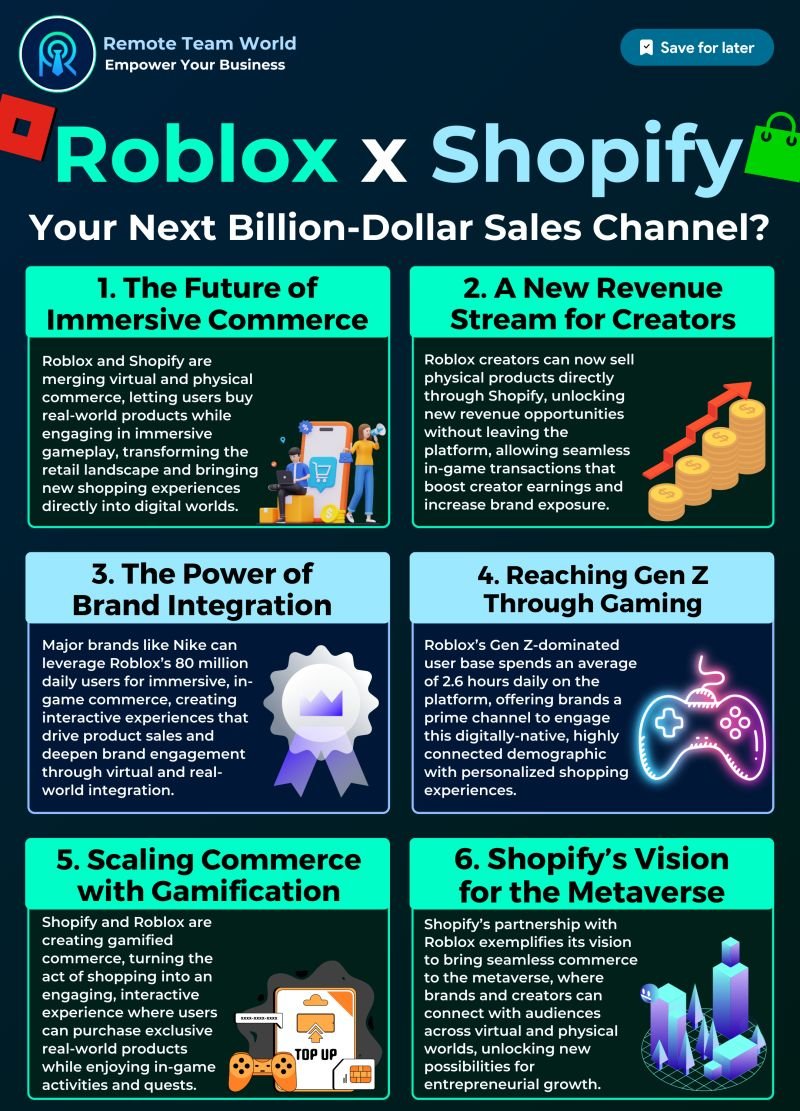
Roblox gamification in user experience primarily enhances engagement and retention through rewarding achievements and creating a fun, interactive environment.
Have you ever wondered why some platforms keep you coming back for more? It’s often because they’ve cleverly implemented game-like elements. Think about leaderboards, badges, and challenges—these are all examples of gamification. Understanding how these mechanics work is key for enhancing any digital experience.
This is exactly what we’re exploring with roblox gamification in user experience. We’ll delve into how these techniques, familiar to gamers, can make products more compelling and enjoyable for everyone. It’s about more than just adding points; it’s about creating a user journey that feels rewarding.

Roblox Gamification in User Experience
Have you ever played a game on Roblox and felt totally hooked? Like you just had to keep playing, earning badges, and leveling up? That’s the magic of gamification! It’s not just about games; it’s about making everyday things more fun and engaging, using the same techniques that make Roblox so addictive. We see these principles being applied in many places outside of the actual Roblox games themselves, and this article is going to take a look at how.
What is Gamification?
Gamification is like adding a sprinkle of fun to something that might otherwise be a bit boring. Imagine you have to learn multiplication tables. Instead of just staring at a list, what if you could earn points for each correct answer and unlock cool virtual rewards as you progress? That’s gamification! It uses game elements, like points, badges, leaderboards, and challenges, to make activities more enjoyable and motivating. It’s a clever way to encourage people to do things they might not want to do otherwise, or do them more effectively.
Key Elements of Gamification
Let’s break down the main pieces that make gamification work so well:
- Points: These are like the basic currency of gamification. You earn them for completing tasks, participating, or achieving goals. Think of it like getting experience points in a video game.
- Badges/Achievements: These are like trophies that show off what you’ve done. They are symbols that represent special accomplishments, such as completing a difficult task or reaching a milestone. In Roblox, you can earn badges for just about anything, from exploring the whole map to defeating a boss.
- Leaderboards: These rank players based on their performance, fostering a sense of competition. It’s like seeing where you stand compared to everyone else, pushing you to improve.
- Challenges/Quests: These give players specific tasks to do, often with rewards for completion. It’s like having a mission to accomplish. In Roblox games, these are often core to gameplay.
- Levels: Players progress through levels, indicating mastery and providing a sense of achievement. As you level up, you might get new abilities or access to new areas.
- Progress Bars: These visually show how close you are to completing a goal. It gives players a very clear picture of their progress and can be very motivating.
- Avatars and Customization: Letting users personalize their in-game representation can increase their emotional connection and immersion. Think of the way you can customize your Roblox avatar; you can use this method in other areas to achieve similar levels of user engagement.
How Roblox Uses Gamification
Roblox itself is a masterpiece of gamification. It brilliantly integrates these elements throughout the platform, making it incredibly engaging for players of all ages.
Gamification in Roblox Games
Every game on Roblox, whether it’s an obby, a role-playing game, or a simulator, utilizes gamification techniques in its design. For instance:
- Obbies: They are full of challenges, and players earn points and reach new levels as they progress. The goal of reaching the end is a powerful motivator.
- Role-Playing Games: These often include quests, achievements, and systems for leveling up characters. You earn items and unlock abilities by playing.
- Simulator Games: These usually have levels, leaderboards, and a constant sense of growth as players gather resources and upgrade their character. You can often watch your character’s growth in the game, and this feedback is very engaging.
- Creative Experiences: Even in experiences where building is the main focus, you can often earn badges or find hidden items. There’s always something new to do or work toward.
These mechanics encourage players to keep exploring, playing, and coming back for more.
Gamification Beyond the Games
Gamification in Roblox isn’t limited to just the games. The platform itself employs gamification to encourage users to interact, create, and contribute.
- Robux Earning System: The ability to earn Robux through creating and selling items acts as a powerful incentive for users to design experiences for other players. It gives a sense of accomplishment, and that accomplishment has real-world value, too.
- Developer Badges: The platform provides badges for developers who reach certain milestones, encouraging them to create more content and become better developers.
- Avatar Customization: The ability to customize avatars provides a personal and emotional connection to the platform, increasing engagement. You get to show off your own personality, and that’s engaging.
- Community Engagement: Features like groups, forums, and the ability to communicate with friends on the platform encourages ongoing interaction and a sense of belonging.
Applying Roblox-style Gamification in Other Areas
The success of Roblox shows that gamification can be applied in many areas to improve user experience. Let’s see how some real-world areas can use it.
Gamification in Education
Learning can sometimes be boring, but if we take the way Roblox uses gamification, education can be fun! Imagine learning multiplication by scoring points and winning badges for mastering levels in a math game. Some ideas are:
- Points for Correct Answers: Students can earn points for correct answers, encouraging them to engage with the material.
- Badges for Completing Modules: Badges are a great motivator for completing modules, quizzes, or projects.
- Leaderboards for Class Performance: A leaderboard can encourage friendly competition and help learners know where they are progressing.
- Virtual Rewards: Instead of just grades, kids could earn virtual rewards that can be used for something fun and relevant.
This makes learning more fun and memorable, just like a Roblox game. It also helps students stay motivated and encourages them to study more often.
Gamification in Fitness and Health
Getting active and staying healthy can be tough. Gamification can make fitness more fun and motivating.
- Tracking Progress: Users could earn points for every mile they walk, run, or cycle.
- Challenges: You could create challenges that give players rewards for completing health goals.
- Virtual Leaderboards: A leaderboard of healthy users can be a powerful motivation to work harder and be healthy.
- Personalized Avatars: Users can create avatars that match their fitness journey or reward them for staying healthy.
This way, fitness becomes a fun game, and people are more motivated to reach their health goals.
Gamification in Business and Productivity
Gamification can be used in the workplace to make tasks and projects more engaging.
- Points for Completing Tasks: Employees could earn points for every task they finish on time and accurately.
- Badges for Achievements: Badges can be awarded to employees who achieve goals, like top performer or “most helpful,” to increase morale.
- Project Leaderboards: These can add a layer of friendly competition and can improve the overall project’s performance.
- Reward Systems: Rewards can give employees added motivation, creating a positive feedback loop and increasing productivity.
Gamification can make work feel less like a chore and more like a rewarding experience, making employees more engaged and productive.
Gamification in Website and App Design
Websites and apps can also use gamification to improve user experience and engagement.
- Progress Bars: Showing how much of a form the user has filled in can encourage them to complete it.
- User Levels: Rewarding the user for using the site often can make them more engaged.
- Badges for Actions: Badges can be given for performing specific actions, making the site or app more fun to use.
- Personalized Recommendations: Recommending content or products based on user actions can improve user satisfaction.
By adding these game-like elements, websites and apps can become more interactive and enjoyable for users, increasing the time that they stay on them.
Tips for Successful Gamification
Want to try gamification? Here are some important tips to keep in mind:
- Know Your Audience: Understand what motivates your users. What kind of rewards do they find exciting? What are their goals? If you understand what your target audience wants and needs, you are much more likely to succeed when using gamification.
- Start Simple: Begin with a few core gamification elements and gradually add more. Don’t overwhelm users. Adding too many gamification elements at once can create confusion, and can ultimately drive users away.
- Keep it Fun and Engaging: The whole point of gamification is to make things fun. If it’s too complicated or boring, it won’t work. The game elements should be easy to understand and interact with, and they should be enjoyable.
- Offer Meaningful Rewards: Rewards should be valuable and relevant to the user. A good reward is one that the user wants to work for, and is seen as worthwhile.
- Provide Clear Feedback: Let users know how they are doing. If there isn’t a clear feedback loop, users can become lost, and the gamification will not be as effective. Progress bars, leaderboards, and notifications are useful tools for this.
- Don’t Overdo It: Too much gamification can be just as bad as not enough. Gamification is like a spice; you need enough to enhance the flavor, but too much can ruin the whole dish.
- Test and Iterate: Continuously monitor how your gamification strategies are working, make changes, and improve based on user feedback. If something is not working as well as you thought it would, try something different.
By carefully implementing these ideas, you can make any experience more engaging, enjoyable, and rewarding, just like Roblox does!
So, as we can see, gamification using the ideas of Roblox is a powerful tool to increase engagement and user experience. It works by making things feel more fun, rewarding, and meaningful. Whether it’s learning, fitness, work, or even just browsing a website, adding a bit of gamification can make a big difference. The next time you’re working on an app or project, consider how you could sprinkle in a bit of that Roblox magic to keep your users engaged and excited.
Master Advanced Roblox Game Development Techniques!
Final Thoughts
Roblox’s approach to gamification significantly enhances user experience. It effectively uses rewards and challenges to drive engagement. This creates a sticky platform where users feel invested.
The clever use of points, badges, and leaderboards makes progress visible. Such elements directly contribute to user motivation and enjoyment. This is a great example of ‘roblox gamification in user experience’.
Ultimately, the blend of playful elements within Roblox proves how gamification can improve platforms. It provides a fun and compelling experience for its users. This is valuable.

