
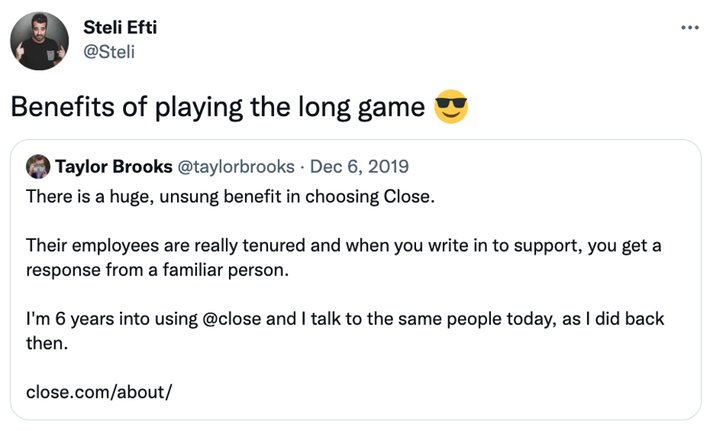
Playing the long game means prioritizing future benefits over immediate gratification, often requiring patience and a sustained effort towards a distant goal.
Have you ever wondered about the phrase, “what does play the long game mean?” It’s a concept frequently discussed in many contexts from business to personal growth. Basically, it’s not about the quick wins, but rather a strategic approach focused on achieving lasting success.
This approach emphasizes building solid foundations, even when progress appears slow at first. People who play the long game understand the power of consistent effort over a longer period of time. They know that patience usually yields better results in the end.

What Does Play the Long Game Mean?
Have you ever heard someone say, “play the long game”? It’s a common phrase, but what does it really mean? It’s not about playing a game for a long time. Instead, it’s a way of thinking and acting that focuses on what you want to achieve in the future, not just right now. Think of it like planting a tiny seed. You don’t get a big tree overnight, right? You have to water it, give it sunlight, and be patient. Playing the long game is similar, it’s about having a big goal and doing things that will help you reach that goal over time, even if it takes a lot of effort and you don’t see results instantly. It’s about delayed gratification.
Understanding the Core Concept
At its heart, playing the long game is about strategic thinking. Instead of making choices based on what feels good or easy right now, you focus on the bigger picture. This involves setting goals, planning steps, and committing to taking action consistently over a long period. It’s a mindset that accepts challenges and setbacks as part of the journey and understands that lasting success takes time and effort. Imagine building a magnificent sandcastle. You don’t just dump sand in a pile; you carefully shape each part, understanding that the small efforts add up to something impressive. That’s playing the long game.
Patience is Key
One of the most important parts of playing the long game is patience. It’s about accepting that things don’t always happen as quickly as we would like and being okay with that. It means not giving up when things get hard or when you don’t see immediate results. Think of learning a musical instrument. You won’t play like a pro on day one. It takes many hours of practice, and there will be times when it feels frustrating. But, if you are patient and keep at it, you’ll eventually improve. This is what playing the long game means; being okay with the journey and trusting the process. Patience is the cornerstone for all types of long-term goals.
The Opposite of Instant Gratification
Playing the long game is the opposite of choosing instant rewards. It’s about making sacrifices today for a bigger pay off in the future. For example, it might mean studying for a test instead of watching TV, or saving your money instead of buying a new toy. It’s the idea that postponing immediate enjoyment can lead to greater happiness later on. Think of a marathon runner. They have to train consistently for many months before the actual race. They sacrifice their time and energy now for the big achievement of finishing the race later. The delayed reward is the sense of accomplishment and the physical fitness they have gained by then. This long-term vision is the core of playing the long game.
Areas Where the Long Game Matters
The idea of the long game applies to many areas of life. Here are some of the most important ones:
Personal Development
When you think about your own growth and learning, playing the long game is very important. It means focusing on developing skills and knowledge that will make you a better person over time. Maybe you want to get better at math, learn a new language, or become a better writer. These things take time and practice, and the key is to keep working at them even when progress seems slow.
- Focus on learning: Always be curious and seek new information.
- Practice regularly: Set aside time to work on your skills, even if it’s just a little bit each day.
- Be patient with yourself: It’s okay to make mistakes, they are part of the learning journey.
Financial Planning
Playing the long game with your money means making smart choices now that will help you in the future. It means saving and investing wisely, instead of spending all your money right away. Think of it like building a tower out of blocks. If you use only a few blocks every day, in a long period of time you can make a big tower. If you buy all the blocks you need and create the tower in one day it might not be the smartest idea. A good strategy for your finances is to make small savings, which in the long term turn into something substantial.
- Save regularly: Even small amounts can add up over time.
- Invest wisely: Put your money into things that will grow over time.
- Avoid unnecessary debt: Don’t borrow money you can’t pay back.
Career Growth
When it comes to your job, playing the long game is about focusing on building a great career over time, not just trying to get rich quickly. It means working hard, learning new things, and building good relationships with your co-workers. Maybe you want to be a doctor or a teacher or an engineer. These are professions that take years of study and training and by constantly focusing on learning and improving your skills you are playing the long game in your career.
- Focus on skill development: Constantly seek to improve your abilities.
- Build good relationships: Be nice to your colleagues and try to learn from them.
- Be patient with your progress: Career advancements do not happen over night.
Relationships
Building strong and healthy relationships with friends and family also takes time and effort. It means being there for the people you care about, listening to them, and helping them when they need it. Just as plants need to be watered and cared for in order to grow, relationships also need care and attention, this process is something that happens over time.
- Be a good listener: Pay attention when others are talking to you.
- Be supportive: Offer help and encouragement to the people in your life.
- Be patient and forgiving: Relationships take time to build, and everyone makes mistakes.
Health and Well-being
Taking care of your body and mind is a lifelong project. It’s about making healthy choices consistently, like eating good food, getting enough exercise, and taking time to rest. Your body is your temple and taking care of it means being consistent, making the right choices every day.
- Eat healthy foods: Focus on fruits, vegetables, and whole grains.
- Exercise regularly: Find activities that you enjoy and that keep you active.
- Get enough sleep: Rest is very important for your body and mind to work at their best.
The Challenges of Playing the Long Game
Playing the long game sounds great, right? But it is also challenging. It takes dedication, and sometimes, it is very hard to do.
Resisting the Temptation of Quick Results
One of the biggest problems is the desire for instant results. We live in a world where we can get almost anything immediately, and that can make it tough to stay focused on long-term goals. When you are waiting a long time for something you want, you might feel like giving up and choosing something easy and fast. The challenge is to keep your eyes on the prize and not fall for the temptations of easy wins that do not offer any long term benefits.
Dealing With Setbacks
Along the journey towards our long term goals, we might face setbacks and obstacles. Things may not go as planned and at times it can be discouraging. It’s important to remember that these are normal and that they do not invalidate your end goal. The key is to learn from mistakes, adjust your plan, and keep moving forward. These experiences can teach you valuable lessons if you allow them to.
Maintaining Motivation
Staying motivated over a long period can be difficult. It is tough to keep going when you don’t see results right away. That’s why it’s important to set small, achievable goals along the way that will keep you excited about your progress. Celebrating small wins is a great way to motivate yourself and others. Surrounding yourself with a supportive community can also help maintain motivation.
How to Adopt a Long Game Mentality
So, how do you start playing the long game? Here are a few tips:
Set Clear Goals
The first step is to know what you want to achieve. Think about what is important to you and write it down. Make sure your goals are specific, measurable, achievable, relevant, and time-bound (SMART). For example, instead of saying “I want to be healthy”, you can say, “I want to exercise for 30 minutes, three times a week for 3 months.” This makes your goals more concrete and easier to work towards.
Break Down Large Goals
Big goals can sometimes feel overwhelming, so break them down into smaller, more manageable steps. Each time you complete a smaller step, you’ll feel a sense of accomplishment, which will help you stay motivated. Like climbing a mountain, start with the first steps, and keep going slowly but steadily. Eventually you will reach the top.
Create a Plan
Once you have your smaller goals, create a step-by-step plan that outlines how you are going to achieve them. Think of it as a road map for your journey. This plan should include specific tasks, deadlines, and resources you will need. Having a solid plan helps you stay organized and focused.
Be Consistent
Consistency is very important in playing the long game. It’s about doing small things regularly, even when you don’t feel like it. It is better to do a small amount of work each day rather than doing a lot of work on one day and then doing nothing for the rest of the week. Consistency builds momentum and keeps you moving towards your goals. Think of a dripping faucet, every drop counts.
Learn From Your Mistakes
Mistakes are a natural part of the process. Don’t be discouraged by them. Instead, see them as opportunities to learn and improve. Figure out what went wrong, adjust your approach, and keep going. Everyone makes mistakes, the key is to learn from them and keep improving. This will allow you to adapt and become more resilient.
Stay Patient and Positive
Remember that playing the long game is a marathon, not a sprint. Be patient with yourself, trust the process, and stay positive, even when things get tough. Focus on the progress you are making and celebrate the small wins along the way. A positive mindset is essential to reach your goals.
Track Your Progress
Keeping track of your progress can help you stay motivated and see how far you have come. Use a journal or a tracking app to log your achievements, big and small. This can give you a visual representation of your hard work and help you stay motivated to continue forward.
Examples of Playing the Long Game
Here are a few examples to give you a better idea of what playing the long game looks like in real life:
Learning a New Skill
Imagine you want to learn how to play the guitar. You won’t become a professional musician overnight. You need to practice every day, take lessons, and be patient with yourself. If you consistently practice, eventually, you will become skilled in playing the guitar. This commitment over time embodies playing the long game.
Starting a Business
Building a successful business takes time, effort, and resilience. Most businesses don’t turn profitable overnight. It involves years of hard work, making difficult decisions, and constantly adapting to changes. You need to be prepared to work hard and make a lot of sacrifices at the beginning. But the long term success is often worth the work.
Saving for Retirement
Saving for retirement involves putting away money each month, even when you would rather spend it on something else. This might not seem like a big deal at the time, but over several years, the amount you save will grow substantially and provide financial security for your retirement. The small consistent actions overtime create a huge impact later on.
Achieving Fitness Goals
Getting into shape takes consistency, hard work, and dedication over a long period. It requires making healthy food choices and doing regular exercise. This journey is an example of long term commitment to health and well-being, where the benefits come from consistent effort over time.
The Rewards of Playing the Long Game
While it is challenging, playing the long game offers significant advantages:
Lasting Success
The biggest reward is lasting success. By building strong foundations and staying committed to your goals, you are more likely to achieve sustainable results in the long run. Unlike quick fixes, this type of progress is more solid and enduring. This approach allows you to build something meaningful and lasting.
Resilience
Playing the long game can increase your resilience. You become better at dealing with setbacks and bouncing back from challenges. Every setback will teach you valuable lessons that prepare you for the next one. This ability to overcome obstacles is a great reward.
Deeper Satisfaction
The satisfaction of achieving a long-term goal is much greater than the temporary joy of getting something quick. The feeling of working hard towards something that’s important to you and reaching that goal brings a deeper sense of purpose and accomplishment. These moments of achievement provide lasting fulfillment.
Personal Growth
Along the way, you will learn a lot about yourself and develop important qualities such as patience, perseverance, and discipline. These qualities are valuable in all aspects of life. This process of self-improvement leads to a greater sense of self-awareness and maturity.
Playing the long game isn’t easy, but it is a powerful approach to living a fulfilling life. It’s a mind-set that rewards patience, consistent action, and a focus on the bigger picture. By embracing the long-game approach, you can achieve more in life and experience deeper satisfaction.
Does Playing the Long Game Mean Making Sacrifices?
Final Thoughts
Playing the long game signifies prioritizing future benefits over immediate gratification. It involves making calculated decisions that may not yield quick results but contribute to sustained growth over time. This approach requires patience and a strong belief in your chosen path.
Ultimately, ‘what does play the long game mean’ is about building enduring success through consistent effort and strategic planning. You must focus on continuous improvement and remain adaptable to changing circumstances. This mindset will build better outcome.

