
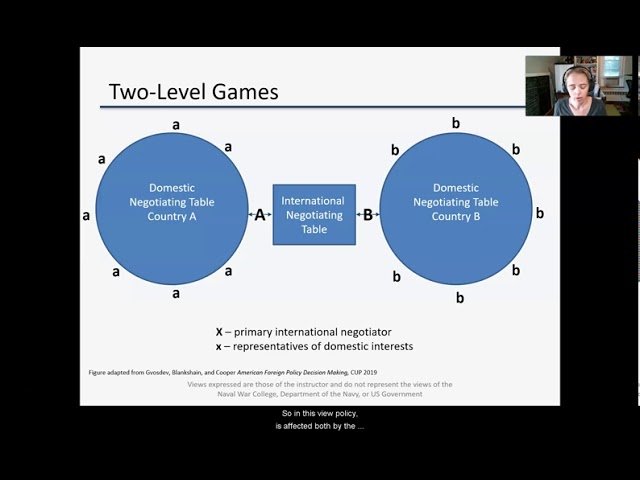
A two level game describes a situation where players make moves based not only on the current game state but also on their predictions of others’ future moves.
Have you ever felt like you’re not just playing the game but playing the players too? That feeling captures what is a two level game. It’s a scenario where strategy extends beyond the immediate turn.
This means your decisions now depend on your guess of what the other players will think you will do. It’s a mental game of chess on top of another game.

What is a Two-Level Game?
Imagine you’re playing a video game. You’re focused on dodging monsters and collecting coins, right? That’s one level of the game. Now, imagine that while you’re doing all that, the game itself is also changing, maybe getting harder or giving you new challenges. That’s kind of like a two-level game! It means there are actions happening on two different levels at the same time. It’s not just about one thing, but about how that one thing also impacts something else.
Understanding the Core Concept
At its heart, a two-level game involves actions and decisions that happen simultaneously on two different planes. Think of it like this: you’re making moves on one “board,” but those moves also have consequences on a second, separate “board.” These two boards are linked, but they’re not exactly the same. What happens on one directly impacts what is possible on the other.
The Two Levels Explained
Let’s break down these “levels” a bit more. We can call them:
- Level One: This is the “surface” level – the actions and decisions you’re directly involved with. It could be anything from a business negotiation, to a political debate, to even a personal conversation.
- Level Two: This level is less obvious. It’s about the larger context, the rules of the game, and the effects your actions from level one have on the bigger picture. It’s about the deeper implications and long-term results.
It’s important to understand that both of these levels are happening at the same time. It’s not that you finish one level and then move on to the next. They’re intertwined and influence each other continuously.
An Example to Clarify
Let’s use an easy example – making a deal to swap your trading cards with a friend.
- Level One: This is the actual card swap. You’re deciding which cards to offer and which cards you want. You’re thinking about the value of the cards, what each of you likes, and trying to get the best deal.
- Level Two: This is about your relationship with your friend. How you behave during the swap can affect your friendship. Are you being fair? Are you trying to cheat? Are you considering your friend’s feelings? The choices you make in level one are shaping how you interact in the long run (level two).
In this simple scenario, you’re not just swapping cards; you’re also building (or damaging) trust and rapport with your friend. That’s a two-level game in action.
Why is Understanding Two-Level Games Important?
You might be thinking, “Okay, that’s interesting, but why should I care about two-level games?” The truth is that we are constantly involved in situations where this concept is at play, whether we realize it or not.
Understanding two-level games allows us to:
- Make better decisions: When you understand that your actions have impacts on different levels, you can make choices that bring better outcomes, not just short-term wins.
- Be more strategic: You can start to anticipate how your choices now will influence the future. This is very helpful in situations like planning, negotiations or conflicts.
- Improve relationships: In personal interactions, seeing the level two impact helps you build stronger bonds through fairness and empathy.
- Become a better negotiator: Recognizing the hidden agendas and influences at play helps you negotiate and deal much more effectively in complex situations.
- Be more ethical: It encourages you to consider the broader impact of your decisions and promotes a sense of responsibility for the consequences of your actions.
In short, it makes you more aware and effective in whatever you’re doing.
Where Do We Find Two-Level Games?
Two-level games aren’t just abstract ideas; they show up in all sorts of places in our lives.
Politics and Diplomacy
In politics, the most obvious examples of a two level game are seen. For example, a politician might make a public statement (level one) but are also trying to manage their party’s support, gain more votes, or maintain good relations with other countries behind the scenes (level two). Decisions are rarely just about what’s being said in public; they’re shaped by internal calculations.
Business and Negotiations
In the business world, two-level games are everywhere. For instance, a company might try to negotiate a big deal with another company (level one). But at the same time, they have to worry about their reputation in the market, their stock price, their employees’ morale, and the long term growth of the company (level two). How they handle the deal on level one will greatly impact the company on level two. It’s a lot more than just closing the deal.
Personal Relationships
Even simple conversations with friends or family can be two-level games. What you say (level one) can affect the trust and connection you share with them (level two). If you constantly interrupt, fail to listen to them, or use sarcasm, you are impacting your relationship. On the other hand, kindness and honest communication helps build trust, strengthening the bond between you.
Gaming
Interestingly, even some actual games involve this concept. A game with a complex set of rules and evolving conditions would require the players to think not only about their direct actions but also about the evolving landscape of the game. Games that require strategy or long-term planning often involve players engaging in two-level thinking.
Strategies for Navigating Two-Level Games
Okay, so you now know what a two-level game is, and where it can be found. The question is now how do we play it well? Here are a few strategies that can help:
Always Keep the Big Picture in View
Don’t get so caught up in your immediate actions that you forget the bigger picture. Continuously ask yourself, “What are the long-term implications of what I’m doing right now?”. This helps you see past the immediate challenge and understand the second level effects.
Be Conscious of Your Behaviors
How you act in your interactions can have a big impact. Always think about your behavior and consider how it affects others. Are you respectful, honest, and fair? Think about how your actions contribute to a positive level two. Remember, level two is often about building trust and rapport.
Don’t Assume What Others are Thinking
Try to understand others’ perspectives. Someone else’s behavior may not always be about you, there might be other reasons involved. Always consider the other levels that might be impacting them. Asking thoughtful questions can help reveal underlying factors that impact their actions.
Be Patient
Change at level two can take time. It can be frustrating if you want things to change instantly, but you need to be patient. Building a strong relationships or reputation is not an overnight process, it requires continuous effort and patience. Do the right thing consistently, even if you don’t see instant results.
Be Adaptable
The rules of the two-level game aren’t always fixed. As situations change, you need to adjust your strategies accordingly. Things might go differently than you planned, so you will need to adapt.
Communicate Clearly
Clear communication is crucial. Share your thoughts honestly and make sure you’re understood. Ask if something is not clear to you, or when other people talk, make sure you are understanding everything. This allows a better chance for level one to align with the level two intentions.
Two-Level Games in Daily Life: Real Examples
Let’s look at a few more real-life examples to show how common two-level games are:
Making a Presentation at Work
- Level One: You’re focused on the content of your presentation, the data, and making sure you present it smoothly.
- Level Two: You’re also trying to impress your boss, show your competence to your colleagues, and maybe position yourself for a promotion.
Going to a Family Dinner
- Level One: You’re having a conversation, eating food, and spending time with your family.
- Level Two: You’re also maintaining family bonds, understanding family dynamics, and perhaps trying to avoid old arguments.
Buying Something at the Store
- Level One: You are looking at items, comparing prices, and buying what you need or want.
- Level Two: You’re supporting a business, affecting your budget, or contributing to the larger economic system.
In all of these examples, what seems like a simple action is also playing into a larger, more complex context.
The Importance of Recognizing Level Two Consequences
Many problems happen because people only focus on the surface level of the game (level one). When you forget about the impacts of level two, it can result in problems such as:
- Unintended negative consequences: Focusing only on the short term can cause bigger problems down the road.
- Damaged relationships: Ignoring the effect of your behavior in level one can cause problems at level two.
- Missed opportunities: Concentrating on one level alone makes you miss important possibilities for long term development and success.
Being aware of the two levels allows us to make more thoughtful and effective decisions.
Developing a Two-Level Mindset
Developing a mindset of thinking in two levels is not that hard, it’s just a habit that needs to be practiced. Here are a few tips to help you cultivate this way of thinking:
- Practice Perspective-Taking: Try to see things from others’ point of view. This gives you better insights into the wider picture.
- Reflect on Past Situations: Take time to think about past situations. Ask yourself what happened at both levels. What were your goals at level one and what were the wider impacts of your actions?
- Ask “Why?”: When you notice something, don’t settle with the surface explanation. Ask “why?” to uncover the second level. What are the underlying reasons?
- Seek Feedback: Ask others for honest feedback on how you behave. This will help to show any blind spots on level two that you might have missed.
By making this an active practice, you’ll get much better at seeing and managing two-level games.
Two-level games can seem complex at first, but once you understand the core concept, you’ll start seeing them everywhere. By paying attention to both the surface actions and the wider context, you can make better decisions, improve your relationships, and navigate through life much more effectively.
Two Level Games and International Diplomacy
Final Thoughts
A two-level game involves playing on two distinct but interconnected stages simultaneously. One must consider actions on both levels because success in one level often requires specific moves on the other. It adds complexity and requires strategic thinking.
This means anticipating how moves impact not just the immediate game but also the overarching structure. For example, a two-level game might involve manipulating resources while also adapting to the reactions of other players. What is a two-level game requires constant adaptation.

