
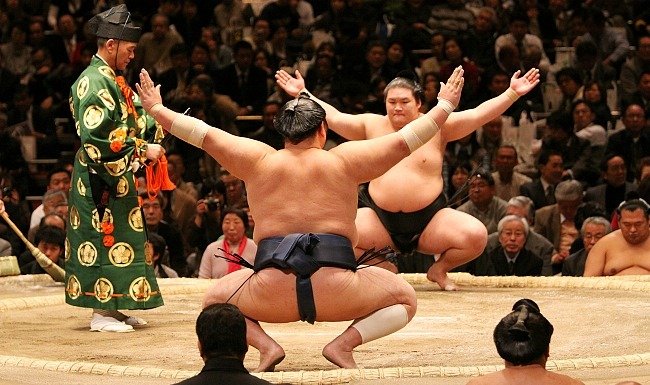
Sumo is considered Japan’s national sport.
Many people wonder what is the national game of japan, and the answer is quite interesting. While baseball has a huge following, it’s not officially the national sport. The sport with deep cultural roots and widely considered as the nation’s game is a very different, powerful contest.
This deeply traditional sport reflects Japan’s history and values. It involves two wrestlers facing off in a circular ring. Their ultimate aim is to either force the opponent out of the ring or make them touch the ground with any part of their body other than the soles of their feet.

What is the National Game of Japan?
Have you ever wondered about the games people play in other countries? Maybe you’ve heard about baseball in America or soccer in Europe. Well, Japan has its own special games too! While Japan doesn’t have an officially designated “national game” in the way some other countries do, there are sports and pastimes deeply woven into Japanese culture that many people consider to be the nation’s most important and popular. Let’s explore some of these games and figure out which one might feel like the “national game” of Japan to many.
The Heavyweight Contender: Sumo
When many people think of Japanese sports, sumo wrestling is often the first thing that pops into their minds. This ancient sport has a history stretching back centuries and is more than just two big guys pushing each other; it’s a cultural ritual filled with tradition and ceremony. Sumo is so deeply embedded in Japanese history and culture it’s often seen as a symbol of the country. Let’s dive deeper into what makes sumo so special.
A Look Back in Time: History of Sumo
Sumo’s roots go back way, way before video games and even baseball! It’s said that it may have started as a ritual performance for the gods during the early times in Japan. In the past, it wasn’t just a sport, but also an important part of religious ceremonies and festivals. Over time, it became more structured, with the rules we mostly see today. The first professional sumo tournaments took place in the Edo period (1603-1867). These tournaments became a big deal and lots of people loved watching them.
The Rituals and Traditions of Sumo
Sumo is definitely more than just a contest of strength. Every sumo match is surrounded by a whole lot of traditions and rituals. Before the fight begins, wrestlers do things like stomping their feet (shiko) and clapping their hands (hakushu) to purify the ring, or dohyo. They also throw salt to ward off evil spirits. The wrestlers wear special belts called mawashi, and their hair is always styled in a topknot, a traditional hairstyle. These elements make sumo special because they show the deep respect for history.
Sumo Wrestling Today
Today, sumo is still popular in Japan and around the world. There are six major tournaments a year, and these tournaments are exciting to watch. Sumo wrestlers, called rikishi, train very hard every day and have a special lifestyle. They even live in special training stables called heya. Although many of the traditions of sumo have been passed down through the years, it continues to adapt and find new fans in a modern world. It remains a symbol of Japanese identity and heritage. Even though some might not see it as a typical sport, its cultural significance makes it a strong contender for what many would consider the national game of Japan.
Here’s a quick recap of what makes Sumo so special:
- Very old traditions and history
- Rituals before, during and after a match
- Rikishi follow a special training and lifestyle
- A symbol of Japan’s culture and identity
The High-Flying Hit: Baseball
While sumo has deep historical roots, baseball, or “yakyu” as it’s known in Japan, holds a very special place in the hearts of many Japanese people. It’s arguably the most watched and participated-in sport in the country. Let’s explore why baseball is so popular in Japan.
Baseball’s Journey to Japan
Baseball wasn’t invented in Japan; it actually came from the United States during the Meiji Era (1868-1912). American educators and railway engineers introduced the game to Japan. At first, it was played mostly in schools, but it quickly grew in popularity. People loved the excitement and the team spirit of baseball. It became a favorite game for many people to watch and play, and it was not long before it took deep roots in Japanese culture.
The Japanese Love for Baseball
Baseball in Japan is not just a sport; it’s like a national passion. Professional baseball games draw enormous crowds. The level of dedication from both fans and players is incredible. Many people enjoy watching the games, both in stadiums and on TV. The games are well-attended, and fans cheer loudly for their favorite teams. Japanese baseball is known for having great organization, skilled players, and lots of excitement. The way people play and watch the game is very different than in other countries.
How Japanese Baseball is Unique
Japanese baseball has a unique style. It focuses a lot on teamwork, strategy, and good sportsmanship. Players show a lot of discipline and respect for the game and for each other. The training is very strict, and players work together. Japanese baseball also has its own special traditions. Fans will often sing chants or use small instruments to cheer on their teams. You will hear unique calls and cheers throughout the games that make the atmosphere very special.
Here’s a quick summary of why Baseball is loved in Japan:
- Came from the USA and adapted in Japan
- Very popular at all levels
- Focuses on teamwork, strategy, respect
- Loud and exciting cheering culture
The Martial Arts Majesty: Kendo and Judo
Beyond Sumo and Baseball, martial arts hold a special place in Japan. Kendo and Judo are two of the most popular martial arts, both holding deep cultural roots and often considered important parts of Japan’s sporting landscape.
Kendo: The Way of the Sword
Kendo is a modern Japanese martial art that comes from traditional swordsmanship, or kenjutsu. Kendo isn’t just about fighting with a sword; it’s about developing the mind, body, and spirit. Kendo practitioners use bamboo swords (shinai) and wear protective armor, and they aim to score points by striking specific parts of their opponent’s body. It’s a very disciplined and physically demanding activity. It teaches focus, respect, and the importance of hard work. Although not a typical spectator sport like baseball, Kendo is an important part of Japanese culture and the pursuit of self-improvement.
Judo: The Gentle Way
Judo, meaning “gentle way,” is another popular Japanese martial art. It was created by Jigoro Kano in the late 1800s and involves throws, pins, and joint locks. It’s more than just a physical exercise. Judo teaches important life lessons like discipline, respect, and self-control. It is also an Olympic sport and its popularity has grown globally. In Japan, Judo is often taught in schools and community centers, promoting a healthy lifestyle and traditional values.
Here’s what makes Kendo and Judo special in Japan:
- They teach respect, discipline, and self-improvement.
- Kendo and Judo have roots in ancient martial arts.
- Both are practiced and taught to many people in Japan.
- They are often seen as more than a sport, but as a way of life.
Other Sports and Games in Japan
Of course, Japan enjoys many other games and sports too! Let’s briefly touch on a few other interesting aspects.
Soccer (Football)
Soccer, or football, is becoming increasingly popular in Japan. The J. League, Japan’s professional soccer league, has grown a lot, and it has many loyal fans. The national team is very strong and does very well in international games. Many Japanese children love playing soccer.
Traditional Games
There are a lot of traditional games played in Japan such as Kendama (a ball-and-cup game) and Hanetsuki (a kind of badminton). These games are fun and teach skills. They also connect children to older Japanese traditions.
Modern Video Games
Japan is also famous for being a leader in video games! Many video games that we play around the world were invented in Japan. This is also a big part of Japanese culture!
Here are some other games that are popular in Japan:
- Soccer (football)
- Kendama
- Hanetsuki
- Video Games
So, What’s the National Game?
So after exploring all of these fantastic games and sports, it becomes apparent that picking just one “national game” for Japan is really hard. While there is no official “national game,” if you had to choose based on popularity, tradition, and cultural influence, you could argue for Sumo or Baseball. However, they are both very different! Sumo represents Japan’s ancient history and traditions, while baseball is a sign of the country’s modern culture and love of sports. In reality, it is the combination of all these sports, traditional games, and a great love of competition that truly define Japan’s sports landscape. Each sport or game plays its own important role in what makes Japan special.
It’s not about finding one “national game,” but understanding how all these sports and activities help form Japan’s culture and way of life. They each bring something unique and valuable to Japan.
In conclusion, while Japan does not have one officially designated national game, both Sumo and Baseball hold significant cultural weight and could be considered by many to be the “national game” in their own right. Along with Kendo, Judo, soccer, and other traditional games, they paint a picture of Japan’s rich and diverse sporting heritage.
What is the national game of Japan ? – QnA Explained
Final Thoughts
Sumo wrestling holds the esteemed position as Japan’s national sport. This traditional activity boasts a long, rich history and continues to fascinate many. The sport is deeply woven into the cultural fabric of Japan.
Many might wonder: what is the national game of japan? The answer is definitely sumo, making it a national symbol. This sport embodies tradition and athletic prowess.

