
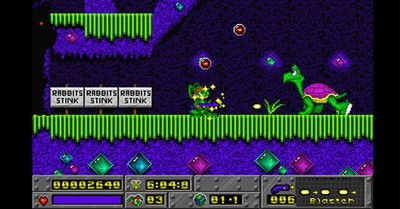
Epic Games’ first game was “ZZT,” a puzzle-action game released in 1991.
Ever wondered about the origins of the gaming giant behind Fortnite? It’s fascinating to think about where they started before crafting huge open worlds. Many players often ask the question, what was epic games first game?
That initial foray into game development provides a peek into the company’s humble beginnings. It wasn’t a battle royale or sprawling adventure. Rather, their journey began with a much simpler, yet still engaging title.

What Was Epic Games’ First Game?
You might know Epic Games for the mega-popular Fortnite, or maybe for their powerful game engine, Unreal Engine. But did you know that Epic Games has been around for a long time? They weren’t always the kings of battle royales and stunning graphics. In fact, their first game is quite different from what they’re known for today. So, what exactly was Epic Games’ first venture into the world of video games?
The Dawn of Epic Games: ZZT
Before Fortnite, before Gears of War, before even Unreal Tournament, there was ZZT. Released in 1991, ZZT wasn’t some big-budget action game. It was a quirky, almost retro-looking, adventure game that had a unique twist: you could create your own levels! Yes, you read that right. Even back in the early 90s, Epic Games was empowering players with tools for creativity.
What Made ZZT Special?
ZZT was different from many other games of its time. Let’s break down some of the elements that made it so unique:
- ASCII Graphics: Instead of highly detailed images, ZZT used simple text characters (like letters, numbers, and symbols) to create its game world. Think of it like a really fancy text adventure, but with the ability to move around and interact.
- Level Editor: This was the star of the show! ZZT came with a built-in editor that allowed players to build their own levels, design puzzles, and tell their own stories. It was a game within a game!
- Simple Gameplay: You controlled a little character that could move around, shoot bullets, and interact with objects. It wasn’t flashy, but it was engaging.
- Community Focus: Because players could make and share their own levels, ZZT built a community of creators. People swapped levels they had created and had fun.
ZZT was a game that focused on being creative, and it was a unique start for Epic games.
The Creation of ZZT: A One-Man Show
ZZT wasn’t the work of a huge team. In fact, it was created almost entirely by one person: Tim Sweeney. Yes, the same Tim Sweeney who is now the CEO of Epic Games! Back then, he was a college student with a passion for programming and game design. He built ZZT during his free time and self-published the game as shareware.
The Shareware Model
In the early 1990s, shareware was a popular way to distribute games. Instead of going to a store to buy a game, people could often download a demo version for free and if they liked the game they would then pay for the whole game. ZZT followed this model. Players could download a demo version with a limited number of levels and if they wanted more levels and the built-in editor they could then pay a small fee.
The shareware model allowed Tim Sweeney to reach a wider audience, and it also helped him to get feedback from players. This feedback was very helpful in improving the game and creating new versions of it.
ZZT’s Gameplay and Design
Let’s take a closer look at the game itself. ZZT was a top-down adventure game. Players moved their character using arrow keys, navigating through different rooms and avoiding enemies and solving puzzles. Here’s some key details:
Key Gameplay Elements:
- Movement: Players moved their character around each room using the arrow keys.
- Shooting: Players can shoot bullets in all four cardinal directions to defeat enemies and break down walls.
- Objects: The levels were filled with different objects, such as walls, doors, items, keys and enemies that players can interact with
- Puzzles: ZZT levels would have various puzzles for players to solve. This would include switches, collecting keys and finding the correct path.
- Enemies: There are various enemies that the player must defeat with bullets or avoid to proceed.
The Level Editor: A User-Friendly Tool
ZZT’s level editor was a game changer, even in the early 90s. It wasn’t like anything that players had seen before, or at least not something that was widely available. The editor made it easy for anyone to create their own game worlds. Here’s a quick look at what players could do with the editor:
- Creating Rooms: Players could create rooms of any size and shape, by simply using text characters to represent walls, floors, etc.
- Adding Objects: Players could add various objects to their levels, like keys, doors, puzzles, enemies, and items.
- Programming: The editor allowed for a basic programming language called ZZT-OOP to create dynamic levels. Players can make objects do certain things such as moving around or triggering other events.
- Sharing levels: Players could then share these levels with other players, enabling a very active community built around creating and sharing levels.
The Impact of ZZT
While ZZT might seem simple compared to modern games, it had a huge impact, especially for a first game. It laid the foundation for Epic Games’ future success, and it also helped to inspire a lot of other game developers.
How ZZT Impacted Epic Games:
- Early Programming Experience: ZZT helped Tim Sweeney get lots of practice creating games, leading to the development of future games.
- Built the Foundation: ZZT gave Epic Games initial experience and knowledge about creating games and building a business around it.
- Community Building: The active community that formed around ZZT also showed the importance of community interaction to the Epic Games company
- Foundation for game engine: The knowledge gained during the creation of ZZT also helped with the development of the Unreal Engine and other Epic Games products
ZZT’s Influence on Game Development:
- Early Indie Game: ZZT could be considered an early example of an indie game, meaning a game created by an independent developer.
- Level Editors: ZZT’s powerful level editor made level editors and player creativity an important part of the game development process.
- Community Driven games: ZZT was one of the early game examples of a community driven game and this changed how games could be developed, shared and played.
The Legacy of ZZT
Even though it’s been many years since ZZT was released, it still has a place in the hearts of many gamers. It was the starting point for one of the biggest game companies in the world, and it continues to be an important part of video game history.
Why ZZT Is Still Important:
- Nostalgia: Many players who grew up in the early 90s still remember ZZT fondly.
- Historical Significance: It’s a reminder of how game development has evolved over the years.
- Inspiration: ZZT’s simplicity and creativity still encourage game developers today.
Where is ZZT Now?
While ZZT is not widely played these days there is still a community that is active and making ZZT levels and even tools for creating ZZT games. There are websites that still host information and levels for ZZT. While it is not supported by Epic Games it remains as a nostalgic look at the start of a game development giant.
In summary, ZZT is not just any game. It was the first step for Epic Games, and it had a lasting impact on the game industry. It was a simple game, but with creative ideas that have influenced many things in the game industry to this day. It also helped to form an early example of a creative community for games.
The Story of Epic Games: How a Game Engine Conquered The Video Game Industry
Final Thoughts
Epic Games began their journey with ZZT, a puzzle-action game. This release marked their entry into the video game world. It provided players with a unique level-design experience.
So, what was Epic Games first game? It was indeed ZZT, released in 1991. It stands as a crucial part of their history. It is quite important to understand the roots of video game developers.

