
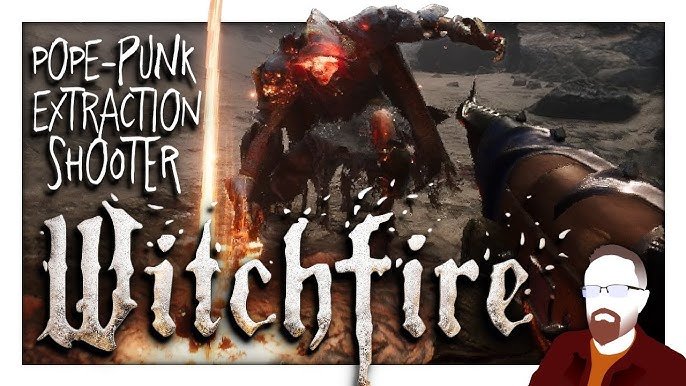
Witchfire is a single-player game because the developers focused on crafting a specific, challenging, and tightly controlled player experience.
Ever wondered why Witchfire is a single player game? It’s a question many fans have asked, given the trend of multiplayer experiences. The decision to keep Witchfire solely single player isn’t arbitrary; it’s a deliberate choice driven by core design principles.
The developers prioritized crafting a very precise and intense experience. This focus allows for a concentrated narrative and finely tuned difficulty, elements often diluted in multiplayer settings. This is their way to ensure the vision reaches players without compromise.

Why is Witchfire a Single-Player Game?
Witchfire has arrived, captivating many with its dark fantasy world and intense, fast-paced action. But a question lingers for some: why is Witchfire designed solely as a single-player experience? This decision wasn’t accidental. It stems from the very core of what the developers wanted to achieve. Let’s dive into the reasons, exploring the design philosophy and technical considerations that shaped Witchfire into the game we experience today.
Focusing on a Unique Vision
When a game is built from the ground up, it needs a clear vision. For Witchfire, that vision was to deliver a deeply immersive and focused single-player adventure. This approach allows the creators to meticulously craft every detail of the world, story, and gameplay without needing to compromise for multiple players. Imagine a painter carefully layering colors on a canvas; that’s similar to how a single-player game is built. It’s a concentrated effort where every decision enhances the overall experience for one player, rather than trying to satisfy multiple different play styles or preferences.
The Power of a Dedicated Narrative
With Witchfire being single-player, the team can tell a story with a specific flow and tone. They don’t need to worry about different players interacting with non-player characters (NPCs) at different times or missing vital plot points. In a multiplayer game, keeping everyone on the same page story-wise can be tough. In Witchfire, the narrative is crafted for a single protagonist, allowing for a more intimate and impactful experience. The developers can control the pacing, introduce characters, and reveal crucial information at the exact moment that maximizes emotional impact for the player.
Delivering a Tailored Challenge
Balancing difficulty in multiplayer games can be a nightmare. What’s challenging for one player may be too easy for another, or vice versa. In Witchfire, every fight, puzzle, and environmental obstacle is designed with one player in mind. The difficulty curve is fine-tuned to provide a consistent challenge that builds with the player’s skill, not the presence of other players. This careful balancing provides a satisfying progression where you feel like you have overcome the odds, rather than just being carried by a more skilled teammate or frustrated by a partner making the game more difficult for you. They have complete control over the level of difficulty that the players face.
The Technical Side of Things
Beyond the creative vision, there are several technical reasons why Witchfire is a single-player game. Designing for a single player allows for different technical optimization compared to a multiplayer game. Things like AI, environment interactions, and the overall complexity of the game’s systems can be pushed further.
Pushing the Limits of Performance
Multiplayer games require handling many connections, processing information from all players in real-time, and ensuring there are no lags. This adds a layer of complexity, which might sometimes require sacrifices to the graphics and AI to ensure everything runs smoothly. By focusing on a single-player experience, the game developers can concentrate on pushing the graphical quality and game mechanics to their limits without worrying about the additional overhead of managing multiple players. This means that the graphics and visual effects can be richer and more detailed than would be possible in a multiplayer game that requires more performance power.
Intricate AI Behaviors
AI in single-player games can be designed to be much more intricate and unpredictable. In multiplayer games, AI behavior often needs to be simpler, to reduce the load on the network and ensure all players have a similar experience. Witchfire’s enemies can utilize complex strategies, which challenge the player in unique ways. These behaviors are hard to implement in a multiplayer setting due to performance limitations and the need for predictable enemy reactions that multiple players can experience at the same time. In Witchfire, you will find the enemy AI to be a complex system that works to provide a satisfying experience.
Gameplay Mechanics and Design
The gameplay mechanics of Witchfire are also built around a single-player experience. The pace, style, and even the way you engage with the world are all designed for a solitary journey.
The Rhythm of Solo Exploration
Single-player games allow you to set your own pace. You can explore the world, read item descriptions, or go on side missions at your own leisure. Witchfire embraces this concept, providing a world full of secrets for the player to find. If Witchfire were a multiplayer game, there might be pressure to keep up with your teammates, thus compromising the explorative experience. As a single-player game you can completely control your gaming pace.
No Competition, Just Focus
In a single-player game, the only one you are competing with is yourself. You can focus on improving your own skills and getting better, rather than feeling pressured to out perform other players. Witchfire’s challenging combat system allows for personal growth. This design approach, free of the competitive pressure of multiplayer, allows you to learn and adapt to the game on your own terms, making the feeling of accomplishment more substantial.
A Different Sense of Immersion
There is something special about exploring a world all by yourself. The atmosphere, the sense of danger, and the feeling of discovery are all magnified when you know you’re the only one experiencing it. This immersion is a key element of Witchfire, and it wouldn’t be quite the same if other players were running around. In a solo gaming experience you completely immerse yourself into the virtual world without distractions.
The Artistic Vision Behind Witchfire
The artistic direction and overall mood of Witchfire are deeply connected to its single-player design. The developers have crafted a specific experience that’s best enjoyed in solitude.
The Importance of Atmosphere
The dark, brooding, and often unsettling atmosphere of Witchfire is designed to create a sense of isolation and vulnerability. This is very hard to achieve in a multiplayer game where the presence of others can lessen the impact of the game’s mood. The game is structured with the focus on a singular journey which helps to build the desired atmosphere to get the full experience.
Personal Connection to the World
Because it is a single-player game, you are encouraged to form your own connections with the game’s world. Every triumph feels more personal, and every setback becomes more impactful. This personal investment is part of what makes single-player games so powerful. You become the only character of the game, making you more attached to it and its storyline.
A Clear Artistic Direction
When designing a single-player game, the developers have a clear picture of the kind of experience they want to give to their audience. This unified artistic direction results in a very focused vision, without the need to compromise different player tastes. This clear direction, without multiple player influences, helps create a cohesive and powerful game.
Comparing Single Player vs Multiplayer
It’s helpful to understand the differences in how single-player and multiplayer games are typically made, in order to fully grasp why Witchfire is built as a single player game.
Single-Player Games
- Focus on a unique story and narrative
- Designed for a specific player experience
- Tailored level of challenge and difficulty
- Incredible level of detail and rich atmosphere
- Personal exploration and discovery
Multiplayer Games
- Focus on a shared experience with others
- Balance the experience for multiple players
- Offer varied gameplay based on player interactions
- Require more optimization for network performance
- Can be more socially engaging
These key differences clearly illustrate why Witchfire was a better fit for a single-player model. The design goals were to provide a unique and deeply immersive experience that is best experienced alone. A multiplayer approach would require a large shift in the overall design and game mechanics, and might not be the experience that the game developers want to share with the players.
The Legacy of Single-Player Games
Single-player games hold a special place in gaming history, and Witchfire’s choice continues a rich tradition of stories, exploration, and unique experiences.
A Tradition of Immersive Adventures
Many popular games are known for their engaging single-player campaigns. These games have a history of deep immersion and storytelling, proving that a game does not need to be multiplayer to deliver an engaging experience. Witchfire draws from this lineage, delivering an engaging experience designed to be enjoyed by a solo adventurer.
The Importance of Player Agency
Single-player games provide a large amount of player agency, allowing you to make decisions that matter. You shape the experience without interference from other players. Witchfire fits perfectly into this mindset, giving you total control over your journey and story.
Continuing the Legacy
Witchfire is more than just a game; it is also a continuation of the single-player gaming legacy. It shows that a focus on the individual player experience can lead to a deeply rewarding adventure, offering an alternative to multiplayer gaming.
Ultimately, Witchfire’s single-player nature is a deliberate choice, one that prioritizes a specific type of player experience. From its carefully crafted narrative to its intricate level of design and challenging combat, everything about Witchfire is designed for a solo journey. While multiplayer has its own strengths, Witchfire embraces the power of solitude, creating a more unique and immersive experience. This approach results in a game that stands out from the crowd with its engaging story and intricate game mechanics.
Witchfire AMAZING NEW game… 😮
Final Thoughts
Witchfire’s design centers around a solitary, focused experience. The intense combat and exploration require dedicated player attention. This allows for intricate enemy placement and level design specifically for one person.
The narrative and atmosphere also contribute to its single-player focus. Witchfire aims for a particular, personal feeling that is best delivered without multiplayer elements. This design decision asks, why is witchfire a single player game, emphasizing immersion and a tailored challenge.

