
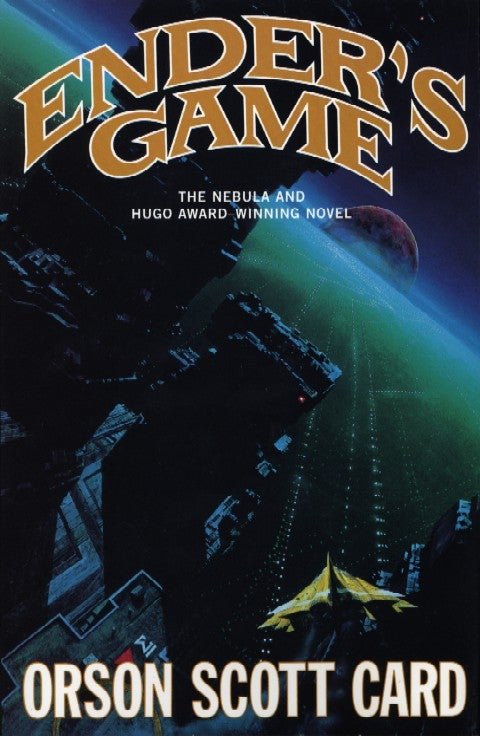
The book Ender’s Game faced bans and challenges primarily due to its perceived glorification of violence, child exploitation, and manipulation in a military context.
So, you’ve heard about the controversy, the whispers in libraries and classrooms. Why was Ender’s Game banned, exactly? It’s a complex question with answers that dive into the heart of what we deem appropriate for young readers.
The book’s narrative explores training children for war, some found it promotes violent solutions. Others questioned the ethical treatment of young minds in such a context, causing heated debates, leading to its removal from some shelves.

Why Was Ender’s Game Banned?
The book Ender’s Game by Orson Scott Card is a popular science fiction story. It’s about a kid named Ender Wiggin who goes to a special school to become a great military leader. But, like many books, Ender’s Game has faced some serious questions. Some people even wanted it taken off the shelves. This brings us to the question: why was Ender’s Game banned or challenged? Let’s dive into the reasons.
The Controversy Around Orson Scott Card
One of the biggest reasons Ender’s Game faced challenges isn’t even about the book itself, but about the author, Orson Scott Card. He has expressed strong views against gay marriage, and this has bothered many people. Some have felt that buying or reading his books supports his beliefs. This led to calls for boycotts and for the book to be removed from schools and libraries. For many, separating the art from the artist is difficult, and Card’s public stance created a shadow over his work, directly affecting Ender’s Game’s reception and leading to calls for its ban.
Card’s Political Views
Card’s vocal opposition to same-sex marriage, and his writings on the topic, have caused strong reactions. His statements were not just quiet personal beliefs. He actively participated in political discussions, using his platform to push for policies that some found harmful and discriminatory. This level of activism put his books, including Ender’s Game, under more intense scrutiny. People saw supporting his work as directly supporting his political stance. This is where the lines between the creator and the creation blurred, significantly contributing to the controversy.
Impact on the Book’s Reception
Because of Card’s views, some people simply don’t want to read his books. They don’t want to give him money. Libraries sometimes get requests to remove his books because people disagree with his ideas. This is a powerful example of how an author’s actions can affect how people see their work. It also shows that readers often consider more than just the story when choosing what to read.
The Violence in Ender’s Game
Besides the controversy surrounding Orson Scott Card, the violence depicted in Ender’s Game is another reason it has been challenged. The book portrays children in combat, participating in intense training and simulated battles that are quite graphic. This has led to debates on whether it’s suitable for younger readers.
Child Soldiers
The main plot of the book revolves around training children to become soldiers and fight in a war. While it’s a story about a fictional future, it brings up real-world issues. The idea of children in combat is a sensitive topic, and seeing kids in such a violent role in the book made some readers uneasy. It forced them to question the appropriateness of exposing young readers to such scenarios. The book explores how children are manipulated and pushed into this role, and this manipulation becomes a crucial aspect of the debate.
Battle Simulations
The book contains detailed descriptions of battle simulations. Although these are “games,” they are presented as incredibly realistic. Ender and other children engage in these battles with a lot of force and strategy, which can be seen as disturbing. These depictions, with their focus on tactical violence and conflict, have raised questions about the impact on young minds. Some people feel that they promote a culture of aggression and violence. The training rooms become a microcosm of war, and this intensity generates discomfort.
Ethical Considerations
The novel raises ethical questions about the treatment of children as soldiers, regardless of the context. The methods used to train the children, including manipulation and intense pressure, concern many readers. These parts of the story highlight the moral dilemmas of using children for military purposes, even if those purposes are in a fictional context. The question isn’t just whether the violence is acceptable, but also if the methods used in the story are morally justifiable.
Manipulation and Psychological Themes
Beyond the violence, Ender’s Game also delves into complex themes of manipulation, isolation, and psychological pressure. These themes, while adding depth to the story, have also contributed to its challenges.
Ender’s Isolation
Ender is often isolated and manipulated throughout the book. He experiences intense loneliness and is constantly pushed to his limits. The way he is treated by adults raises red flags for some readers. They worry about how such isolation might affect young readers. The psychological toll on Ender, and the manner it’s presented, becomes a point of contention, sparking discussion on the book’s effect on mental well-being.
Manipulation by Adults
The adults in Ender’s Game manipulate Ender and the other children to make them excellent soldiers. They withhold information, pit them against each other, and push them to their breaking points. This manipulation can be seen as harmful, and it’s hard to read about it without feeling uncomfortable. The ethical questions surrounding this type of manipulation are part of why the book has faced scrutiny. The adults’ actions, even when viewed as necessary by the characters, provoke discussions about whether such behavior is acceptable.
Psychological Impact
The intense pressure on the children in Ender’s Game, combined with themes of isolation and manipulation, can be seen as psychologically challenging. Some argue that it is too dark or disturbing for younger readers. The emotional depth of Ender’s struggles, and his response to them, bring about discussions about the book’s emotional impact on readers, especially on those who might be more sensitive to such themes. The question is whether these potentially triggering elements are appropriate for all readers.
The Debate Around Free Speech and Censorship
The debate around banning Ender’s Game also brings up a much bigger question: free speech and censorship. Some people believe that books should be available to everyone, even if they have ideas that some disagree with. Others feel that some books are too harmful for certain audiences, like kids, and should be removed.
Access to Different Viewpoints
On one side of the debate, people say that it’s essential to have access to all kinds of different viewpoints. Reading challenging books, like Ender’s Game, can help kids think critically and make up their own minds about the world. This is about protecting the freedom to read and the idea that being exposed to diverse ideas is beneficial for growth. Limiting access to certain books because of some people’s views is seen as hindering that process.
Protection of Children
Others argue that we need to protect kids from harmful materials. They may feel that Ender’s Game contains violence and themes that could negatively impact young readers. This is where the concept of censorship comes in. It’s about trying to shield children from things that adults find concerning. It raises the question of who gets to decide what’s “harmful” and how much control we should have over what kids read.
Balancing Act
The debate about Ender’s Game shows that there is no easy answer. We must balance the need for free speech with the goal of protecting children. This often leads to complicated discussions about the role of parents, schools, and libraries in choosing what kids read. It makes us look at how we can have books that push us to think and discuss difficult topics, while at the same time ensure that what we read does not cause harm.
Challenges in Schools and Libraries
The controversy surrounding Ender’s Game has directly impacted its presence in schools and libraries. The challenges and attempts to ban it highlight the tension between providing a wide range of literature and the desire to protect younger readers from content perceived as unsuitable. It reflects the broader debate about intellectual freedom within educational and public institutions.
Requests for Removal
Many libraries and schools have received formal requests to remove Ender’s Game from their shelves. These requests often come from parents or community members who are concerned about the book’s violence or the author’s views. The process of challenging a book involves careful consideration, balancing community concerns with the principles of intellectual freedom. These requests can also be a reflection of the values and beliefs that are most prevalent in a community.
Committee Reviews
When a book is challenged, schools and libraries often have a review process. This might involve a committee that carefully reads the book and considers all sides of the issue. They must assess the book’s content, its educational value, and the reasons for the challenge. The committee has to make recommendations and their choices, regardless of whether it supports keeping or removing the book, has the potential to cause further controversy and highlight the difficulties in maintaining a balance.
Impact on Curriculum
The challenges to Ender’s Game can affect the way that it is taught in schools. Sometimes, teachers must take precautions, making sure students and families are aware of the content. In some cases, the book might not be used at all because of the strong feelings it brings out. These changes can limit the chance for students to explore a book and take part in critical discussion, and this can make other teachers careful when choosing books for class. It can also lead to discussions on the kinds of topics that are deemed suitable for certain age groups.
The Ongoing Discussion
Even now, the discussion surrounding Ender’s Game continues. It is a reminder that art often brings about difficult conversations. This book, with its many layers, is more than just a science fiction story. It brings up complex issues that we as a society grapple with. The debate is not just about a single book; it’s about our beliefs, values, and what we want kids to learn and be exposed to.
A Reflection of Societal Values
The ongoing controversy about Ender’s Game highlights the different values we have as a society. Some people prioritize the importance of artistic freedom. Other people want to protect young readers. It is these different ideas that are in conflict, and this highlights how we, as a society, are continuously navigating different points of view about the types of content that should be made available to all.
A Catalyst for Discussion
This book does more than just tell a story. It also acts as a catalyst, bringing up discussions about authorial intent, ethics, and the role that art plays in our lives. The challenges to Ender’s Game are a reminder that books can be powerful. They can make us think, challenge our views, and start conversations. The debate surrounding this book shows how art can bring about questions about what is right, what is acceptable, and what is beneficial.
The Importance of Critical Thinking
Ultimately, the discussions around Ender’s Game teach us that it’s important to think critically. We should examine books, authors, and ideas carefully and come to our own conclusions. This controversy encourages us to not just accept things on the surface but to look deeper and understand the many aspects of the ideas. This means that the debates about books and what they mean is a worthwhile undertaking.
In the end, the question of why Ender’s Game has faced such intense scrutiny shows that books, especially ones that make us think, often lead to more questions than answers. The complex and multifaceted nature of the reasons behind these challenges reveals the ongoing and complex interactions between art, society, and personal values.
Ender’s Game || The Controversy (spoilers)
Final Thoughts
Ender’s Game faced banning primarily due to its themes of child soldiering and violence. Some found the depiction of children trained for war disturbing and inappropriate.
The novel’s intense simulations and strategic manipulation raised ethical concerns. This caused libraries and schools to sometimes restrict access. Why was Ender’s Game banned? The primary issue stemmed from its perceived glamorization of warfare using children as weapons.

