
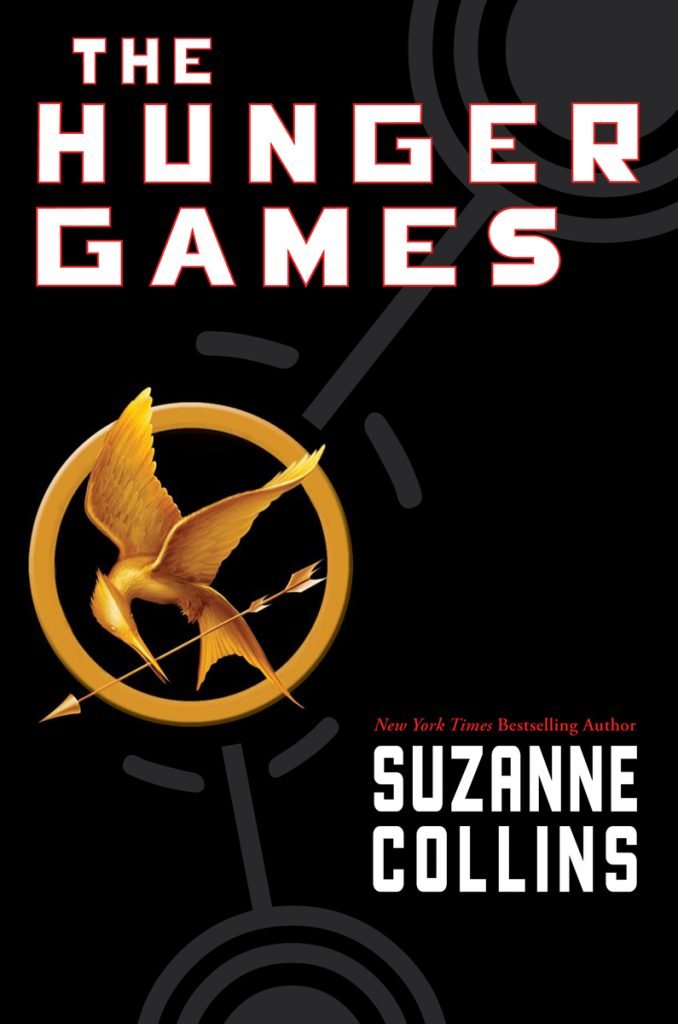
The Hunger Games book faced bans and challenges primarily due to its violent content, particularly its depiction of children fighting to the death, alongside themes of oppression and rebellion.
Many readers have wondered, why was the hunger games book banned? The dystopian setting and brutal nature of the story sparked controversy. Concerns about its suitability for younger audiences fueled much of the debate.
Parents and educators worried about the impact on children. Some found the themes of government control and violence to be too intense for young readers, leading to calls for its removal from schools and libraries.

Why Was The Hunger Games Book Banned?
The Hunger Games series, especially the first book, quickly became a global phenomenon. It captivated readers with its gripping story, action, and thought-provoking themes. But, along with the immense popularity came controversy. This resulted in numerous attempts to ban or restrict the book in libraries and schools. So, what were the reasons behind these challenges? Let’s dive in and explore the various factors that led to the book’s contested status.
Violence and Graphic Content
One of the most significant reasons for the book’s ban attempts is its portrayal of violence. The story, set in a dystopian world where children are forced to fight to the death in a televised spectacle, contains numerous scenes of intense physical altercations. These scenes often describe the injuries and deaths in vivid detail. Many parents and educators felt that this level of violence was too much for young readers. They worried that exposure to such graphic content could be harmful. They believed it might desensitize children to violence or cause nightmares and anxiety. The very premise of a televised death match involving children is disturbing for many. This alone was enough to raise concerns.
Concerns About Desensitization
The worries weren’t just about the immediate shock of the violent scenes. There was a fear that constant exposure to fictional violence, especially when presented as entertainment, could slowly make children less sensitive to real-world violence. Some critics believed that the book glorified violence, despite its anti-government messages. They felt it made the act of killing seem commonplace and acceptable, which could have a negative effect on young minds. While the book’s author did not write the book to promote violence, some believed its content could be interpreted in that way by young readers.
The Age Appropriateness Debate
The target audience for “The Hunger Games” is young adults, often middle school and high school students. However, the book’s dark themes and violent content sparked a fierce debate about age appropriateness. Some adults argued that it was unsuitable for younger teens who might not have the emotional maturity to process the story’s harsh realities. They believe that younger readers might not fully grasp the political commentary or the condemnation of violence. They could focus solely on the action, losing the deeper message. This led to many challenging the book’s presence in middle school libraries and curriculums.
Thematic Elements and Social Commentary
Beyond the sheer violence, “The Hunger Games” tackles several complex thematic elements that also contributed to its banning attempts. These are important to consider because they go beyond just the physical violence.
Dystopian Themes and Government Critique
The book paints a stark picture of a dystopian society ruled by an oppressive government, The Capitol. The story explores themes of poverty, inequality, and government control. Some parents were concerned that the book could be seen as promoting distrust in authority. They were worried that it might encourage disrespect for government institutions and traditional structures. They argued that this could lead to rebellious behavior in young people. The book’s sharp critique of power and control, while intended to spark critical thinking, was seen as dangerous by some.
Exploitation and Social Injustice
The games themselves are a form of social control. They are a cruel method of reminding the districts of The Capitol’s power. The book also highlights the stark contrast between the wealthy citizens of the Capitol. They live in luxury, and the poor citizens of the districts. Many readers are deeply affected by the injustice that they observe in the story. This aspect of exploitation and injustice made some parents and educators feel uneasy. They felt it was too intense and disturbing for young readers to grapple with.
Survival of the Fittest
“The Hunger Games” presents a world where survival often depends on making difficult moral choices. These choices involve violence, deception, and the sacrifice of others. The book questions what it means to be human in such circumstances. Some critics felt that the book promoted a “survival of the fittest” mentality. They believed this could lead to a lack of empathy and compassion in young people. They expressed concerns that this perspective would influence impressionable readers.
Specific Examples of Banning Attempts
The controversy surrounding “The Hunger Games” wasn’t just hypothetical. The American Library Association (ALA), which tracks book challenges and bans, has frequently listed the book among the most challenged books. Numerous schools and libraries across the United States and in other parts of the world faced formal requests to ban or restrict access to the book.
Challenging the Book in Schools and Libraries
Often, these challenges involved parents who felt that the book was inappropriate for their children. They would submit formal complaints to school boards or library officials, requesting that the book be removed from the shelves. These requests were not always successful. However, they often led to debates, reviews by committees, and, in some instances, limitations being placed on how widely available the book would be.
Arguments Presented During Challenges
The arguments presented during these challenges generally revolved around the themes already discussed: violence, the risk of desensitization, the appropriateness of dystopian themes for young readers, and concern about challenging government authority. Many people involved in these challenges were not looking to ban all books of this type. They were simply concerned with age appropriateness. They believed that certain books were only suitable for older teens and adults.
The Role of Parental Rights
A big issue in these discussions is the role of parental rights. Many parents feel that they should have the right to decide what their children are allowed to read. They believe they should be able to veto books they feel are harmful or inappropriate. While this view is valid, it often clashes with the idea of intellectual freedom. This means that everyone should have access to a wide variety of materials. These ideas often conflict, making it hard to reach an agreement.
The Case for Keeping the Book
Despite the attempts to ban it, many people argue strongly for keeping “The Hunger Games” available to young readers. They believe it offers valuable lessons and serves as a powerful tool for teaching critical thinking. Here are some of the arguments in favor of maintaining the book’s availability:
Promoting Critical Thinking and Discussion
The book prompts readers to think deeply about complex issues such as government control, social injustice, and the nature of violence. Educators have found that “The Hunger Games” can spark meaningful classroom discussions about these topics. It allows students to examine ethical dilemmas and consider different perspectives on power and morality. This encourages them to question the world around them and to think for themselves. For example, students can compare and contrast the society in the book with their own society, which can cause a deeper understanding of both.
Exploring the Consequences of Violence
While the book contains violence, many argue that it doesn’t glorify it. Rather, it shows the horrific consequences of violence and the way that violence affects individuals and society. The story highlights the emotional and psychological toll it takes on the characters. The book serves as a cautionary tale about the dangers of violence and the importance of empathy. Many believe it helps young people understand the real-world effects of violence in a safe way. The author of the series has stated this was one of the primary reasons for writing the book.
Addressing Complex Themes in an Engaging Way
The book introduces young readers to difficult concepts such as social inequality, political oppression, and the dangers of unchecked power. It also does so in a captivating way, making these issues more accessible and relatable to them. The action-packed plot draws readers in. The relevant topics encourage them to think more deeply about the world and their place in it. Some educators have found that students who otherwise may not engage with heavier subjects, are captivated by the story and its relevance to real-world concerns.
Empowering the Reader
While there are instances where the characters make difficult and sometimes questionable decisions, Katniss Everdeen ultimately portrays a strong, intelligent, and brave female protagonist. This can be extremely powerful for many young readers, especially young women. She takes responsibility for the difficult choices she makes. It allows the reader to feel that they can also be active in the world. The novel is not simply a passive form of entertainment, it’s meant to be engaging.
The Importance of Intellectual Freedom
The debate over “The Hunger Games” also highlights the broader issue of intellectual freedom and the freedom to read. This refers to the right of every individual to access information and ideas without restriction or censorship. It is important for a variety of reasons, especially when the readers are young adults and children.
The Right to Access Diverse Perspectives
Limiting access to certain books can stifle creativity and critical thinking. Intellectual freedom means that students should have the opportunity to explore a wide variety of viewpoints and ideas. This can help them form their own educated and well-rounded opinions. Exposure to different ways of thinking is crucial for a functioning democracy. By banning books that address complex issues, we limit young people’s ability to think for themselves.
The Role of Parents and Educators
While parents have the right to guide their children’s reading choices, it’s important to remember the value of a diverse library. Instead of banning books, parents and educators can help young readers engage with challenging material. They can encourage critical thinking and discussions about the themes and issues raised in the book. Open communication and thoughtful conversation are much more beneficial than simply restricting access to certain books. It is also important for teachers and librarians to help students understand the context of the book and how it relates to the real world.
Promoting Media Literacy
In our media-saturated world, it’s increasingly important to teach young people how to critically analyze the information they consume. Books like “The Hunger Games” can serve as a valuable starting point for discussions about media manipulation, propaganda, and the way narratives can be used to control people. Studying how the Games are used to control the population in the book can help a reader think about how similar things are used in the real world. The books do not promote these ideas, they use a story to discuss them and teach a better understanding of them.
The attempts to ban “The Hunger Games” are a complex issue with several reasons, primarily centered around the violence and the themes of social commentary. The book has graphic violence, and explores dystopian themes, social injustice, and government control. These elements led many parents and educators to feel that the book was inappropriate for young readers. However, many people also argue for its educational value. They believe it encourages critical thinking, prompts thoughtful discussions, and provides valuable insights into our society. The debate surrounding this series highlights the ongoing tension between parental rights and intellectual freedom. This debate also emphasizes the necessity of ensuring young people have access to a variety of perspectives and can develop the skills to think critically about the world.
The Hunger Games: The REAL Reason Behind Its US Ban
Final Thoughts
The Hunger Games faced bans due to its violent themes and dystopian setting. Some found the book unsuitable for younger readers. Concerns about its political message also fueled the controversy.
The themes of oppression and rebellion made many question its appropriateness. Ultimately, the reasons varied, but this novel faced challenges. The central question remains: why was the hunger games book banned?

