
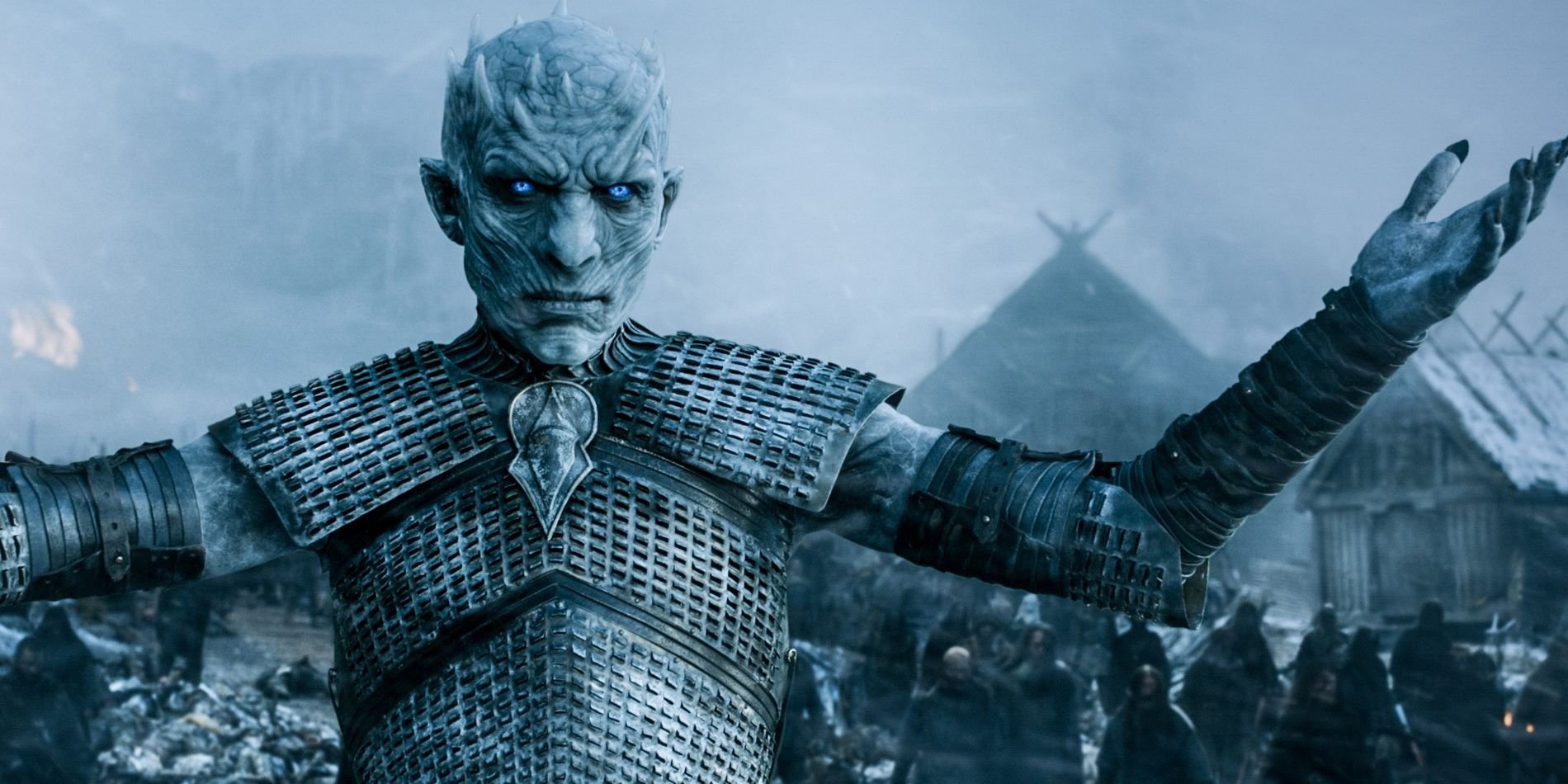
Winters in Game of Thrones last for unpredictable years, often spanning several seasons.
The chilling threat of winter looms large in the world of Westeros, a stark contrast to our own predictable seasons. The question, how long are winters in game of thrones, is a frequent one among fans. It’s not a simple answer of three or six months, like on our planet.
Instead, winters are more like an existential threat, a prolonged period of cold and darkness. They can last for many years, significantly impacting the lives of everyone. These extreme weather events reshape the political landscape and the very survival of humanity in the show.

How Long Are Winters in Game of Thrones?
The winters in the world of Game of Thrones, specifically Westeros, aren’t your typical few-month-long cold snaps. They are legendary, terrifying, and, most importantly, incredibly unpredictable. Unlike our familiar seasons, these winters can last for years, even decades! This strange seasonality is a major part of what makes George R.R. Martin’s world so compelling and dangerous. Forget about the simple cycle of spring, summer, autumn, and winter – Westeros plays by its own, much harsher, rules.
The Unpredictable Nature of Westeros’ Seasons
One of the most confusing aspects of Westeros is how incredibly irregular its seasons are. In our world, seasons follow a predictable pattern due to Earth’s tilt and its orbit around the sun. But in Game of Thrones, the reasons for the changing seasons are never fully explained. This adds an extra layer of mystery and dread to the world. We know that the seasons are not just about weather; they profoundly impact society, agriculture, and even the very structure of life. It’s more than just snow and cold weather, a long winter has social and economical ramifications for the people of Westeros.
Why Are the Seasons So Unpredictable?
This is a question that plagues even the most learned maesters in the Citadel. There are several theories, none of them definitive. Some believe it’s connected to magic, the ancient pacts, or the changing balance of the world’s inherent powers. Others dismiss such ideas and are still searching for some reasonable explanation within their system. The truth is, we simply don’t know for sure, and that lack of understanding greatly influences the actions of characters and shapes the entire world. The uncertainty of when a winter might begin and end is the most frightening aspect of it, since the inhabitants of Westeros can’t prepare adequately for the season.
- Magic and Ancient Forces: Many characters, especially those involved in the more mystical parts of the story, suspect that the unpredictable seasons are connected to forces outside the realm of normal understanding.
- Geological or Planetary Anomaly: While magic is a major aspect, some suggest that there could be some anomaly related to the planet itself that causes the irregular cycles.
- Unexplained Phenomenon: The most straightforward theory is that it’s just an unexplained part of the world that must be accepted, similar to how humans accepted other natural phenomena before we had a proper understanding of the world.
The Impact of Long Winters on Westeros
These extended winters are not just a background detail, they are a defining aspect of Westeros. They bring more than just freezing temperatures. Think famines, societal disruption, and the rise of dangerous creatures. The people of Westeros must adapt their lives around the expectation of extremely harsh winters.
Food Shortages and Famine
When winter hits hard and stays for years, agriculture suffers immensely. Crops die, animals perish, and food becomes scarce. This scarcity leads to brutal conflicts over resources, and many common people will experience severe starvation. Entire communities might collapse as the supply of food and resources dries up during a long winter. These conditions often lead to an increase in bandits and lawlessness, as desperate people do what they must in order to survive.
Societal Disruption and Conflict
Long winters often result in the breakdown of social structures. The struggle for survival becomes the primary concern, and the usual rules and laws are often disregarded. Powerful lords might struggle to keep control of their lands, while smaller villages and towns might find themselves abandoned or destroyed. As a result of these pressures, political conflicts and wars may intensify as different groups scramble for any advantage in a brutal environment.
The Rise of the White Walkers
The most terrifying impact of the long winters is the resurgence of the White Walkers, sometimes called the Others. These ancient ice creatures and their undead army are more than just a threat to human society, they are an existential threat to all living things. They are rumored to appear during long winters. They are able to survive the harsh conditions, and they grow stronger as the cold deepens. It is no accident that the White Walkers only ever advance when Westeros faces its harshest conditions, making them a symbol of the deepest dangers of a long winter.
How Long Can These Winters Actually Last?
While we don’t have precise timelines for every winter in Westeros history, we know they can last for years and even decades. The in-universe historical accounts speak of winters that have spanned multiple generations. The sheer uncertainty of their duration is another source of fear and uncertainty for people in Westeros. Imagine living your entire life in anticipation of a winter that might not end for years.
Examples of Long Winters in Westeros
The story talks about the “Long Night” which was a winter so cold and devastating, that it took a generation or more to thaw and it left lasting scars upon the continent.
- The Long Night: This legendary winter happened thousands of years before the events in the main story. It was a time of extreme cold and darkness. It is said to be the worst winter in living memory, a period when the White Walkers first arose.
- The Winter at the Start of the Main Story: The winter that begins the main storyline is predicted to be of significant length. The people of Westeros, after a long summer, are fearful of the coming cold and the challenges that it brings. This winter ultimately leads to the arrival of the White Walkers and the epic battles that ensue.
Comparing Westeros’ Seasons to Our Own
To really grasp how different the seasons are in Westeros, let’s put them side-by-side with our more predictable ones. We take for granted that we can predict the weather relatively well. In contrast, Westeros experiences extreme seasonal shifts that greatly impact the lives of its residents.
Earth’s Seasons
Our seasons occur because of Earth’s axial tilt and the planet’s journey around the sun. This provides a regular, cyclical pattern with each season lasting approximately three months. The predictability of our seasons is one of the foundations of our civilization and agriculture. We know when to plant, when to harvest, and when we can expect warm weather or cold.
- Spring: Around three months.
- Summer: Around three months.
- Autumn (Fall): Around three months.
- Winter: Around three months.
Westeros’ Seasons
The seasons in Westeros are a completely different beast. They are incredibly long and extremely unpredictable. There is no consistency to their length. Summers can last for a decade or more, and winters can do the same. The timing of these shifts is unknown, and the inhabitants of Westeros can only prepare for the worst in terms of duration and severity.
| Season | Typical Length (Earth) | Typical Length (Westeros) | Predictability |
|---|---|---|---|
| Spring | Approx. 3 months | Highly variable, can last many years or just a short time | Predictable |
| Summer | Approx. 3 months | Highly variable, can last many years or just a short time | Predictable |
| Autumn | Approx. 3 months | Highly variable, can last many years or just a short time | Predictable |
| Winter | Approx. 3 months | Highly variable, can last many years or just a short time | Not Predictable |
How Do People Prepare for These Long Winters?
The lack of predictability forces the people of Westeros to maintain a constant state of preparedness. They must build up reserves of food, firewood, and other essential supplies. Life is centered around preparing for the next major shift, regardless of when it arrives. It’s a harsh reality that dictates every aspect of their existence.
The Role of Maesters and the Citadel
The Maesters of the Citadel play a critical role in studying the seasons and advising the various lords of Westeros. They collect data and study historical trends to identify patterns and make predictions. They are the closest thing Westeros has to scientists. They try to gain a full understanding of this weather phenomenon. Their research, though often incomplete, helps to ensure the kingdoms of Westeros can make preparations in the event of a coming winter.
The Importance of Food Storage
Given the prospect of a very long winter, food storage becomes an essential practice. Towns and castles rely upon storing grains, cured meats, dried fruits, and other perishables to last through a long, cold season. Failure to properly prepare a food supply can quickly lead to famine, disease, and the collapse of communities.
The Need for Strong Homes and Structures
Protecting against the cold temperatures means that the inhabitants of Westeros must build their homes strong and warm. Homes need to have very thick walls and efficient heating systems. Homes are commonly constructed with very efficient fire places to minimize heat loss. The ability to keep warm in the winter could mean the difference between life and death in Westeros.
The Cultural Impact of Long Winters
The unpredictable nature of the seasons has greatly impacted the culture of Westeros. The constant threat of a long winter has made them practical, resilient, and accepting of hardship. Their sayings, songs, and stories all reflect this reality. Their culture is full of stories about what has happened in the past and these stories are designed to prepare them for future hardships.
- “Winter is coming”: This motto of House Stark is not just a saying, it is a very powerful representation of the deep-seated fear and respect for the coming winter.
- Folk tales and myths: Tales of past long winters and the monsters associated with them serve to remind people of the dangers and the need to prepare.
- A survivalist mentality: Westeros culture generally emphasizes resilience, practicality, and self-sufficiency, because they have to cope with the extreme weather events.
Long winters in Game of Thrones are more than just a backdrop – they are a central character in the story. Their unpredictability, severity, and lasting impact shape the lives, cultures, and conflicts within Westeros. The threat of the cold affects everything in this world. It influences all of the political, societal, and religious aspects of the people and their beliefs. This is what makes the winters in Westeros so unique.
These winters are not just something to survive. They are something to fear and to deeply respect. They are a central part of what makes the world of Westeros so different and so compelling. As readers and viewers, we are drawn into the fear and uncertainty that the characters experience. We see that the long winters of Westeros create some of the major events in the series. This element will continue to influence future events in the novels and beyond.
Science of Thrones: How Long Could the Winter Last?
Final Thoughts
Winters in Game of Thrones vary greatly in duration. They can last years, even a decade. The show doesn’t follow a set pattern. The length of a winter is unpredictable.
This inconsistency makes planning difficult for the characters. “how long are winters in game of thrones” is one question everyone asks. The long winters greatly impact the world.

