
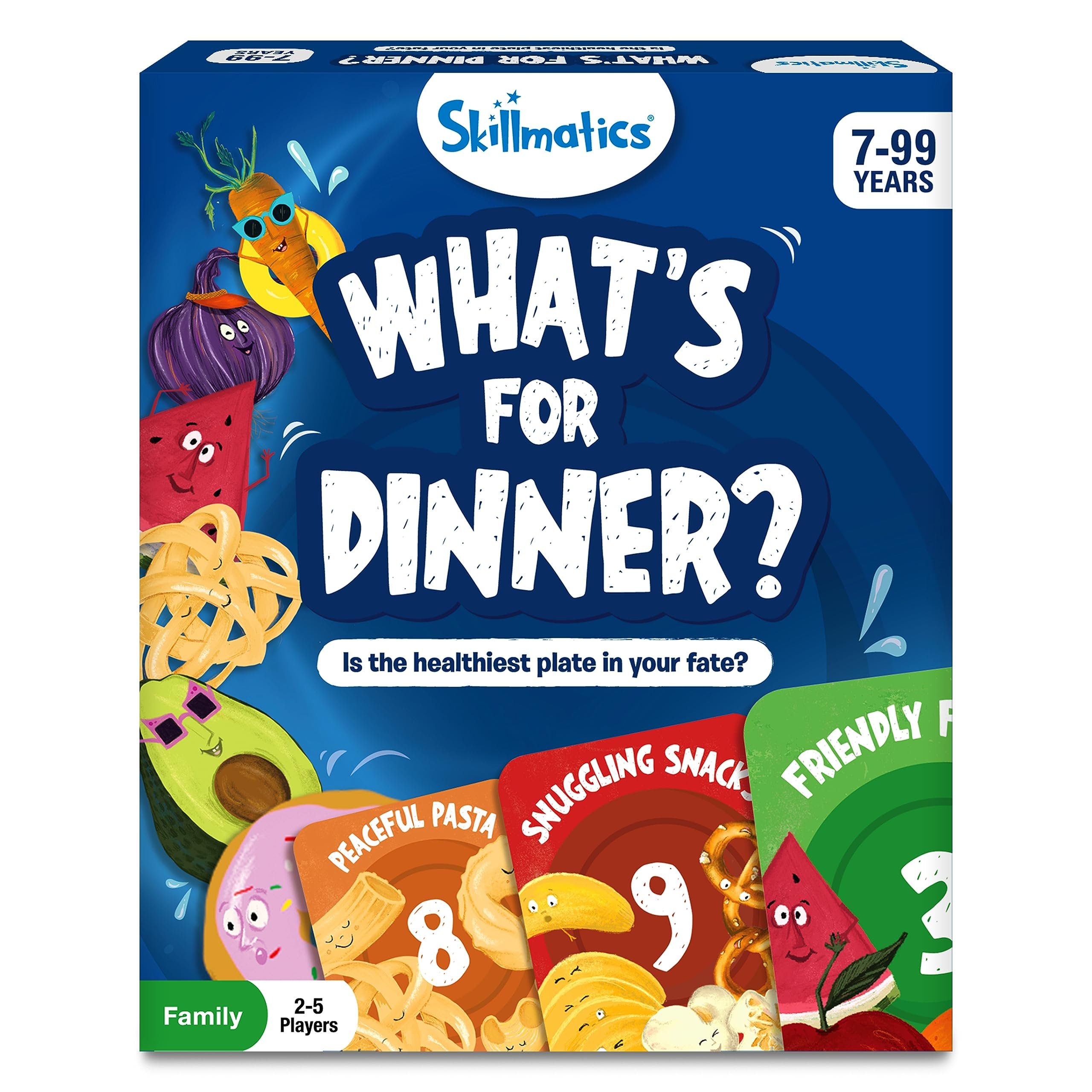
The “whats for dinner game” involves brainstorming meal ideas, often with family or friends, to decide what to cook for dinner.
Ever find yourself staring blankly into the fridge at 5 PM? We all know that feeling of dread when the question, “what’s for dinner?” arises. It can quickly become a nightly struggle. This blog explores fun ways to decide through the “whats for dinner game” so meal planning becomes easy instead of a chore.
Playing a game can add excitement and remove the usual decision fatigue. We’ll go through some playful methods to help you choose your next dinner. From simple dice rolls to themed idea lists.

What’s for Dinner Game: Fun Ways to Beat the Mealtime Blues
Staring into the fridge, wondering what to cook, is a struggle many of us know all too well. The “what’s for dinner” question can be a daily headache. But, what if we could turn this stressful moment into something fun? That’s where the “what’s for dinner game” comes in! This isn’t a single game, but rather a whole category of playful strategies to decide what’s on the menu. Let’s explore some exciting options and ideas to make your meal planning more enjoyable.
Why Play a What’s for Dinner Game?
Before we jump into the games, let’s think about why they are so helpful. Meal planning can feel like a chore, especially after a long day. Playing a game can:
- Reduce Decision Fatigue: No more agonizing over options. A game makes the choice for you!
- Spark Creativity: Games can introduce you to new recipes or meal combinations you might not have considered.
- Involve the Family: Kids love games, and getting them involved makes them more likely to eat what’s made.
- Make Mealtime Fun: It takes the stress out of the process, turning it into a lighthearted activity.
- Use Up Ingredients: Games can challenge you to use items you already have, cutting down on food waste.
Popular What’s for Dinner Game Ideas
Now, for the fun part: the games themselves! Here are several ways to play, covering a range of styles and needs.
The Dice Roll Dinner
This is a very simple and straightforward option. All you need is a die and a list of meal ideas. Here’s how to play:
- Create a list: Write down six different meal ideas (or more). Number each meal from 1 to 6. Make sure you are writing the food that your family and kids will like.
- Roll the die: When dinner time rolls around, roll the die.
- Cook what’s rolled: The number that faces up on the die tells you which meal from your list you’re making!
Tips for Dice Roll Dinner:
- Have a few lists ready: Organize lists by cuisine (Italian, Mexican, etc.), protein (chicken, beef, vegetarian), or even cooking method (slow cooker, oven, stovetop).
- Adjust for leftovers: If you have leftovers, you can replace one number with “leftovers”. This encourages the family to eat everything and also avoid food waste.
- Use two dice: If you want to make it even more fun, use two dice and make 12 dishes to select from.
The Spinner of Supper
Similar to the dice game, but uses a spinner instead. This is visually appealing and adds a little more engagement.
- Make a spinner: You can make your own using a cardboard circle and a pointer, or you can find spinner templates online. If you have kids, then making a handmade spinner can add an even more fun touch to the game.
- Divide into sections: Divide your spinner into segments, each with a different meal idea. Be sure to use colors in the sections, it is visually appealing and brings more attention to the game.
- Spin to see: When it is dinner time, spin the pointer and cook the meal it lands on!
Tips for Spinner of Supper:
- Make it thematic: Organize your sections by theme, like “international night” or “comfort food”.
- Use pictures: For young kids, use simple pictures instead of just names of meals. This makes it easier for them to participate.
- Get creative: Use colors and themes to your liking.
The Meal Jar Challenge
This approach is a great way to have a go-to list, and it’s super simple to use.
- Write on slips: Write down meal ideas on small slips of paper.
- Put in a jar: Fold them up and put them into a jar or container.
- Pick one: Each day (or whenever you need dinner inspiration) pick a random slip from the jar.
Tips for Meal Jar Challenge:
- Color Code: Use different colored paper to represent different types of dishes, like green for vegetarian and red for meat options.
- Include categories: In addition to the meal name, you can also write down the category like pasta, rice, curry, salad etc.
- Add seasonal meals: Change out the slips seasonally to match what’s in season and fresh.
The Alphabet of Appetites
This is a great game to boost brain power and thinking ability. The main goal is to make dishes with first alphabet of your choosing. It also helps to come up with creative and unique ideas for dishes and meals.
- Choose an alphabet: Start by deciding which letter of the alphabet you will be using that day.
- Find a dish: Try to create or find a recipe that starts with the same alphabet. For example, ‘T’ for tacos or ‘S’ for stir-fry.
- Be flexible: If you are finding it difficult to find a recipe with the chosen alphabet, then try to include at least an ingredient that starts with the alphabet. For example, for ‘G’ you can add garlic to your recipe even if it does not start with ‘G’.
Tips for Alphabet of Appetites:
- Assign family members: Every family member can pick a letter that you will use for a specific day.
- Write it down: Make a list of different recipes for each alphabet, to avoid confusion.
- Use a letter generator: To make it even more fun, you can use a random letter generator online.
Theme Nights
Theme nights are a fun way to add a little spice to your week and they take away the stress of deciding what to cook.
- Choose themes: Decide on themes for different days of the week. For example, ‘Taco Tuesday’ or ‘Pasta Wednesday’.
- Plan meals: Plan different recipes to use for each theme night.
- Enjoy: Have fun cooking and eating with a specific theme each night.
Tips for Theme Nights:
- Get Creative: Have fun with your theme nights. Use decorations and music to make the meal more exciting.
- Involve everyone: Let each family member suggest a theme for a night, this gets everyone more excited about dinner.
- Mix it up: Change your theme nights each week or every month to keep things fresh and fun.
Ingredient Challenge
This game forces you to use whatever you have at home, which is a great way to reduce food waste.
- Look at your fridge and pantry: See what you have on hand.
- Pick a few ingredients: Select 3-4 ingredients you want to use up.
- Create a meal: Try to come up with a meal using the chosen ingredients.
Tips for Ingredient Challenge:
- Set a timer: Give yourself a time limit to come up with an idea, this makes it more exciting.
- Use a recipe app: Search online for recipes using your selected ingredients for more ideas.
- Try different types of meals: If you have vegetables and pasta, try making a pasta dish, or if you have chicken and rice, try making a chicken and rice dish.
The Recipe Book Randomizer
If you own several cookbooks, this game makes sure you actually use them!
- Number your cookbooks: Assign a number to each of your cookbooks.
- Pick a number: Randomly select a number using a die or a random number generator. This number decides which recipe book you are going to use.
- Pick a page: Now, open that book and randomly pick a page, this will be the recipe for dinner.
Tips for Recipe Book Randomizer:
- Mark Favorites: Tag favorite recipes in your books so you can find them easily.
- Adjust for preference: If you do not like the recipe on that page, you can always choose another page in the same book.
- Rotate books: You can keep your books in order from the latest to old. This makes sure that all the books are used equally.
Making the Game Work for You
The key to making any “what’s for dinner” game work is flexibility and fun. Here are a few tips to keep in mind:
- Involve everyone: Get your family involved in creating lists or coming up with themes. This makes everyone more excited and motivated to participate.
- Don’t be afraid to adjust: If a game isn’t working for you, change it! Make it fit your needs and your family’s preferences.
- Keep it simple: Don’t overcomplicate things. The point of the game is to reduce stress, not increase it.
- Have a backup plan: It’s okay to have a quick go-to meal option for when things get too busy or you simply aren’t feeling adventurous.
- Track your ideas: If you get a good idea from the game, add it to a list, so you can use it again.
Adapting the Games for Different Needs
These games can be adapted for various situations. For instance:
Dietary Needs
If someone in your family has dietary restrictions or preferences, then these games can easily be adapted. Make sure you add recipes to the jar or list that are compatible to all the family members. You can also add recipes for each member and rotate the meal plans so that every family member enjoys their meal.
Time Constraints
For busy weeknights, focus on meal ideas that are quick and easy to make. You can also keep some ready-made meals on hand for those times when cooking is not an option.
Budget
Challenge yourself to make budget-friendly meals. When creating your lists, keep in mind the affordability of the ingredients.
Different Skill Levels
If the cook is not an experienced one, then you can focus on recipes that have simpler instructions. You can also follow recipe videos or recipe websites to follow step by step.
Playing a “what’s for dinner game” is not just about choosing a meal; it’s about making meal planning and cooking more fun, less stressful and family oriented. You can adjust all these game ideas to fit your needs and preferences, the most important goal is to make the cooking process fun for the whole family.
What’s For Dinner Directions
Final Thoughts
The “what’s for dinner game” can be a daily struggle. Planning ahead and trying new recipes will help.
Embracing simple cooking techniques offers great options. Rotating meals and keeping a stocked pantry creates less stress. This reduces dinner time anxiety.
Ultimately, enjoying the process proves as important as the meal. Finding joy in cooking, even with minimal time, makes all the difference. So, simplify your week and win at the “what’s for dinner game”.

